Most articles about TikTok crypto influencers promise easy wins and massive reach. This one shows you the actual costs, conversion rates, and red flags from marketers who’ve spent six figures working with these creators. If you’re tired of vague success stories, here are verified numbers you can check yourself.
Key Takeaways
- TikTok crypto influencers are significantly overpriced compared to other platforms, with inflated cost-per-view and cost-per-mille rates that rarely justify the spend.
- A verified micro-influencer campaign generated 170 posts, 427,000 views, and 4.6% engagement in one month, delivering a 200% boost in brand account engagement.
- User-generated content from creators can drive virality but often fails to convert—one team spent over $300,000 before shifting entirely to affiliate models.
- Approximately 99% of crypto influencer agencies are ineffective, especially for TikTok, Instagram, and YouTube campaigns.
- Scam artists like Jack Doherty exploit large followings on TikTok and YouTube to pump-and-dump tokens, leaving investors with near-zero returns.
- Building in-house influencer relationships yields better rates, content quality, and control than relying on third-party agencies.
- Instagram and undervalued platforms like Facebook often deliver higher engagement at lower costs than TikTok for crypto marketing.
Introduction
Finding credible TikTok crypto influencers is harder than it looks. While the platform boasts millions of creators discussing Bitcoin, altcoins, and NFTs, the gap between follower counts and actual results is staggering. Marketers regularly pay premium rates for campaigns that generate views but fail to convert. Meanwhile, opportunistic creators exploit trust, launching scam tokens that vaporize investor funds within minutes.
Here’s what matters: successful campaigns require rigorous vetting, realistic cost expectations, and a clear understanding of what content converts versus what just goes viral. TikTok’s short-form video format excels at awareness, but conversion often demands a different strategy altogether.
This guide breaks down real campaign data, platform cost comparisons, documented scams, and actionable steps to identify trustworthy creators or build your own influencer network. You’ll see case studies with verified metrics, common pitfalls that drain budgets, and practical checklists to deploy today.
What Are TikTok Crypto Influencers: Definition and Context

TikTok crypto influencers are content creators who produce short-form videos about cryptocurrency, blockchain technology, trading strategies, project reviews, and market analysis. They range from educators explaining DeFi basics to traders sharing technical analysis and project founders promoting new tokens.
Recent campaign data demonstrates that these creators command premium rates despite mixed results. Modern deployments reveal a troubling pattern: high view counts rarely translate to on-chain activity, app downloads, or token purchases. The platform’s algorithm favors entertainment and quick hooks over educational depth, which means viral content often attracts casual viewers rather than committed investors.
This channel is best suited for early-stage awareness campaigns targeting younger demographics who discover crypto through social media. It’s less effective for projects requiring sophisticated audience segments, immediate conversions, or long-term community building. Brands seeking quick virality can benefit, but those prioritizing ROI and verifiable user acquisition should weigh TikTok’s costs against alternatives like Twitter, Instagram, or even Facebook.
What Working With These Creators Can Solve
Crypto projects face a unique challenge: traditional advertising channels remain restricted or outright banned due to regulatory gray zones. Influencer marketing fills this gap, offering direct access to engaged audiences who trust the creator’s recommendations.
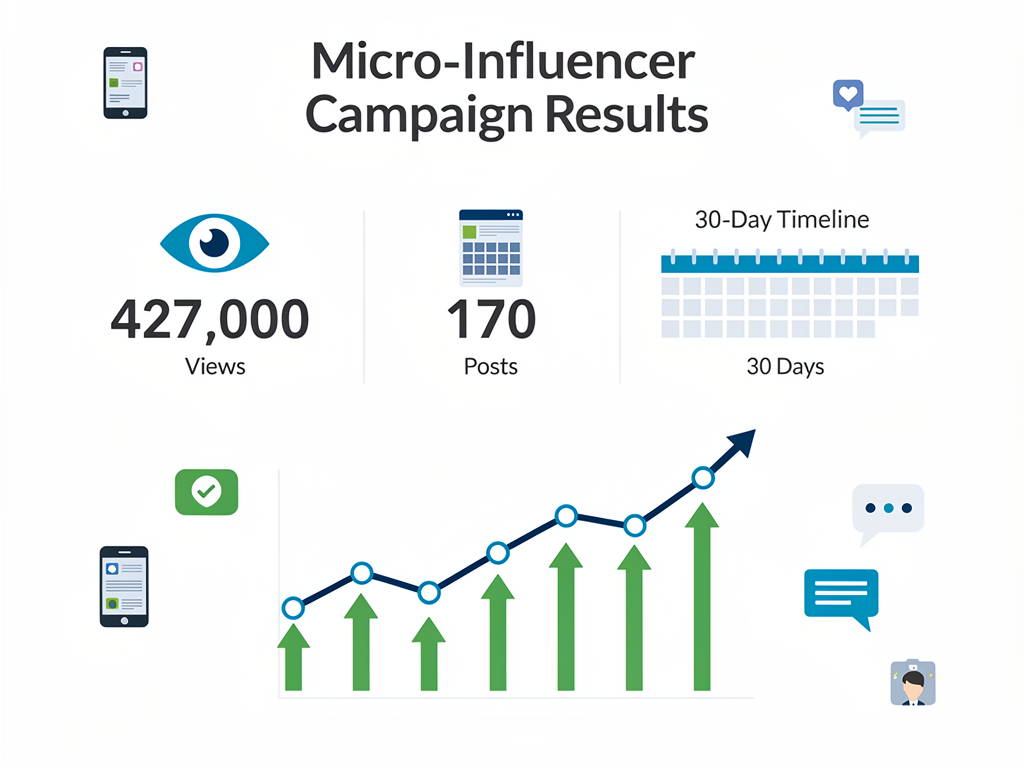
First, these creators solve the cold-start problem for new projects. Launching a token or DeFi protocol without an audience means burning marketing budgets on ads that platforms frequently reject. A well-timed influencer campaign can generate thousands of impressions overnight, seeding initial awareness that organic content struggles to achieve. One marketer who collaborated with micro-influencers generated 427,000 views and 170 unique posts in a single month, proving that coordinated campaigns can scale quickly.
Second, influencers provide social proof. When a trusted creator discusses a project, followers perceive it as less risky than an anonymous promoted post. This credibility transfer is especially valuable in crypto, where scams are rampant and skepticism is high. The challenge is verifying that the influencer’s audience is genuine and engaged, not inflated by bots.
Third, TikTok’s algorithm can amplify content beyond the creator’s follower base. A video that resonates can reach millions of users who never subscribed, delivering exponential reach. However, this virality often attracts spectators rather than participants. One team spent over $300,000 on user-generated content expecting conversions, only to find that views didn’t correlate with sales or sign-ups. They eventually shifted their entire budget to affiliate programs, which delivered measurable revenue.
Finally, influencer partnerships offer content variety. Instead of relying solely on in-house designers and copywriters, brands gain access to diverse creative styles, voices, and formats. This variety keeps campaigns fresh and tests different messaging angles simultaneously. The risk is that 30% or more of creators may produce low-quality or off-brand content, requiring strict quality control and clear briefs.
How This Works: Step-by-Step
Step 1: Define Campaign Goals and Budget
Start by clarifying whether you want awareness, conversions, or community growth. Each goal demands different creator types, content formats, and success metrics. Awareness campaigns tolerate higher CPMs if views reach relevant demographics. Conversion-focused efforts require trackable links, promo codes, or on-chain wallet analytics.
Set a realistic budget. According to project data, TikTok crypto campaigns are significantly overpriced compared to platforms like Instagram or Twitter. Expect to pay premium rates for creators with 100K+ followers, often without guarantees on engagement or conversions. A common mistake here is allocating the majority of your budget to a single macro-influencer. Diversifying across micro-creators (10K–50K followers) often delivers better engagement rates and lower per-post costs.
Step 2: Vet Influencers Thoroughly
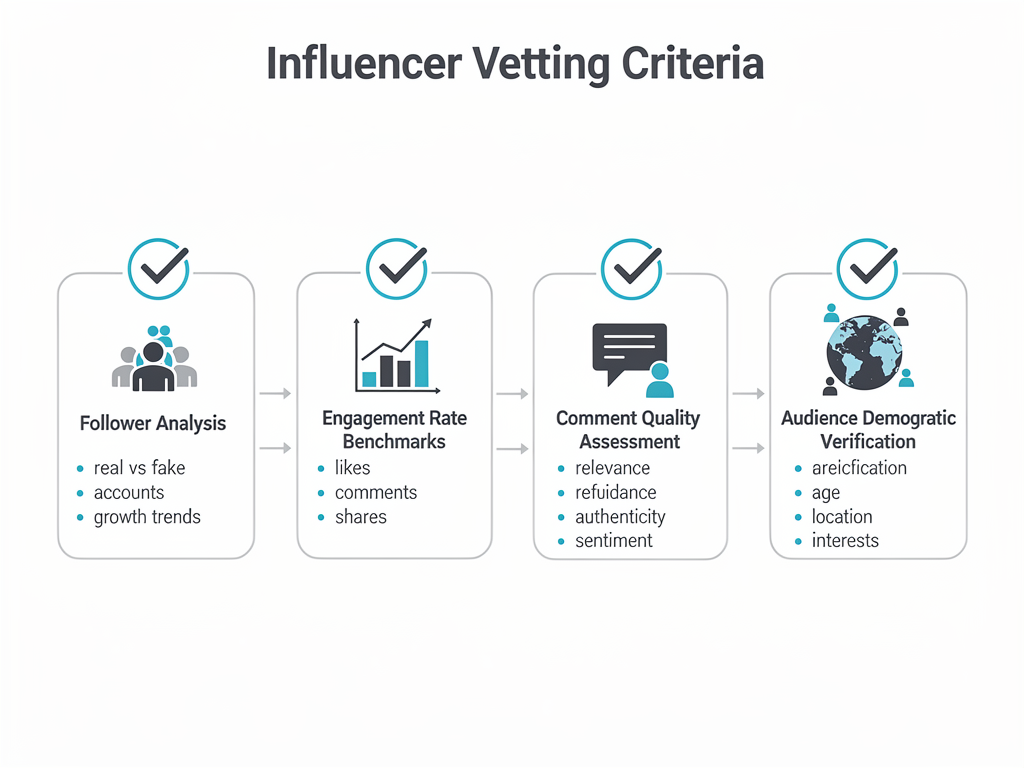
Review more than follower counts. Analyze recent video performance, comment quality, and audience demographics. Look for consistent engagement rates above 3% and genuine comments rather than generic emojis or spam. Cross-reference the creator’s history: have they promoted scam projects before?
One documented case involved a 21-year-old YouTuber with 15 million subscribers who also commanded millions on TikTok. He repeatedly launched tokens, pre-bought with hidden wallets, pumped prices during live streams, and then dumped on his followers. His tokens peaked at market caps like $64,000 before collapsing, with one presale raising just $346 before an immediate rug pull. His wallet eventually held under $150, and his reputation was destroyed. Avoid creators with patterns of promoting pump-and-dump schemes or who refuse to disclose past partnerships.
Step 3: Negotiate Terms and Content Guidelines
Establish clear deliverables: number of videos, posting schedule, required disclosures, and creative freedom. Crypto regulations increasingly demand transparency, so ensure influencers label sponsored content appropriately. Negotiate payment structures—flat fees, performance bonuses, or hybrid models. Avoid agencies that demand large upfront fees without disclosing their creator network or guaranteeing specific view counts.
According to a marketer with years of experience working with creators across platforms, red flags include agencies promising exact view counts, requesting fixed service fees before campaigns start, and refusing to reveal which influencers they represent. These agencies are often ineffective, particularly for TikTok.
Step 4: Launch, Monitor, and Optimize
Once content goes live, track metrics in real time. Monitor views, engagement rate, click-throughs, and on-chain activity if applicable. Be prepared to pause campaigns if early results show poor quality or off-brand messaging. High view counts mean little if the audience doesn’t take action.
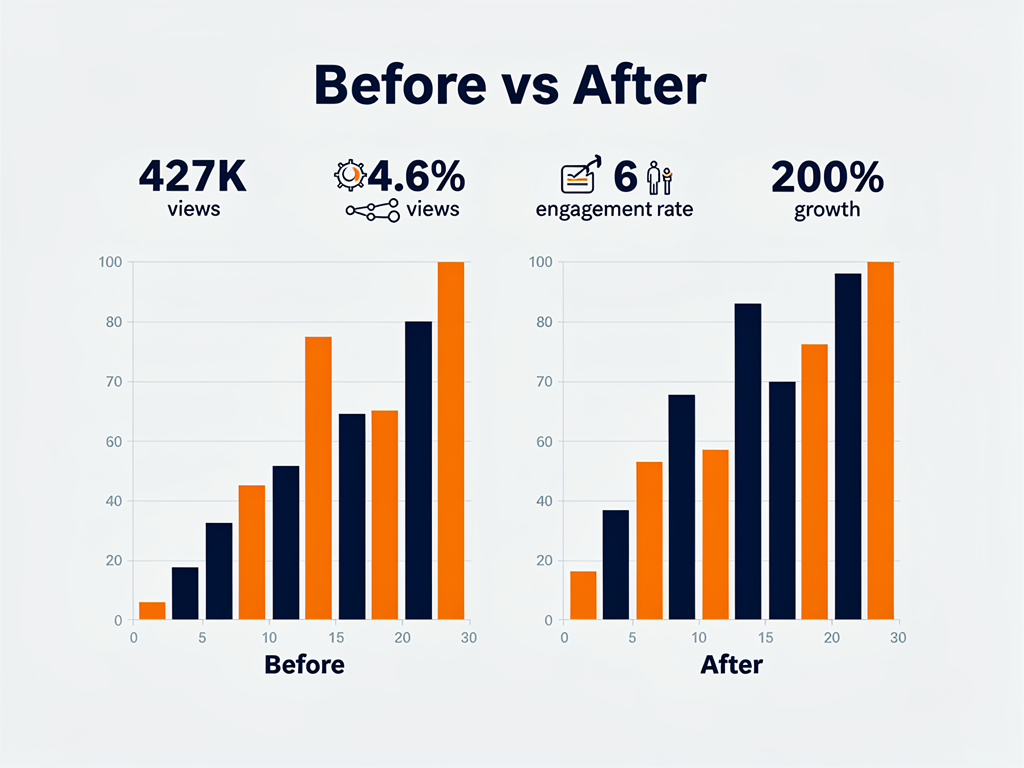
One verified campaign with micro-influencers achieved a 4.6% average engagement rate and delivered 200% growth in the brand’s own account engagement over 30 days. This success came from coordinating multiple creators simultaneously, each producing unique content that reinforced the same core message. The mistake many teams make at this stage is letting low-quality content continue unchecked, which can damage brand perception and generate even more subpar user-generated material.
Step 5: Measure ROI and Iterate
After the campaign, calculate cost per acquisition, lifetime value of referred users, and overall return on ad spend. Compare these figures to other channels. If TikTok’s CPM and CPV are significantly higher than Instagram or Twitter without corresponding conversion lifts, reallocate budget accordingly. One company tripled their affiliate bonuses to 30% per sale after concluding that user-generated content from TikTok delivered virality but no revenue. Affiliates became their top channel, proving that trackable performance incentives outperform flat-fee influencer deals in many cases.
Where Most Projects Fail (and How to Fix It)
The most common mistake is conflating views with value. TikTok’s algorithm can push a video to hundreds of thousands of users, but if those viewers have no intent to invest, download, or participate, the campaign wastes money. Always tie influencer KPIs to business outcomes, not vanity metrics.
Second, teams underestimate the operational complexity of managing multiple creators. Coordinating briefs, reviewing content, handling revisions, and processing payments requires dedicated staff and robust systems. Building in-house relationships with creators demands significant infrastructure. However, those who succeed gain cheaper rates, better content, and stronger partnerships. A well-connected relationship manager can negotiate lower fees and ensure influencers produce on-brand material.
Third, relying on agencies without due diligence burns budgets. The majority of crypto influencer agencies deliver poor results, especially outside of Crypto Twitter. They often lack networks on TikTok, Instagram, or YouTube, and they fail to provide transparency on which creators will participate or how performance will be measured. If you lack internal expertise or a strong creator network, consider partnering with specialists who have a proven track record. FLEXE.io, with over 7 years in Web3 marketing and more than 700 clients, connects projects to 500+ KOLs and 150+ media outlets to accelerate user growth and awareness. Reach out on Telegram: https://t.me/flexe_io_agency
Fourth, ignoring platform-specific nuances limits effectiveness. TikTok favors short, punchy, entertainment-driven content. Educational deep-dives or technical analysis often underperform compared to memes, quick tips, or controversy. Tailor your messaging to fit the platform’s culture, or choose a different channel for complex narratives.
Finally, failing to audit for fraud is dangerous. Creators can inflate follower counts with bots, fake engagement with purchased likes, or promote competing projects simultaneously. Regularly review audience authenticity using third-party analytics tools and cross-check the creator’s history for scam associations.
Real Cases with Verified Numbers
Case 1: Micro-Influencer Blitz Delivers 427K Views and 200% Engagement Lift
Context: A large crypto project wanted to boost brand awareness and community engagement quickly without relying on a single macro-influencer.
What they did:
- Step 1: Identified and vetted dozens of micro-influencers with 10K–50K followers each across TikTok and other platforms.
- Step 2: Coordinated a one-month campaign with clear content guidelines and posting schedules.
- Step 3: Launched 170 unique posts simultaneously to maximize reach and reinforce messaging.
Results:
- Before: Standard engagement levels on the brand’s official account.
- After: 427,000 total views, 4.6% average engagement rate, and 200% growth in the brand account’s engagement metrics.
- Growth: Campaign generated 170 pieces of unique content in 30 days, proving that volume and coordination can outperform single high-profile partnerships.
The key insight here is that diversifying across many smaller creators reduces risk and often delivers higher engagement rates than paying premium fees to one or two macro-influencers.
Source: Tweet
Case 2: $300K User-Generated Content Experiment Ends in Pivot to Affiliates
Context: A consumer hardware company in the crypto space invested heavily in user-generated content campaigns on TikTok and Instagram, expecting virality to drive sales.
What they did:
- Step 1: Paid creators to produce and post content featuring the product, aiming for organic reach.
- Step 2: Monitored views and engagement, noting high virality but low purchase conversions.
- Step 3: Discovered that over 30% of creators abused the system by producing irrelevant or low-quality content.
- Step 4: Shifted budget entirely to affiliate programs, tripling commission rates to 30% per sale.
Results:
- Before: Heavy reliance on UGC for virality and brand awareness.
- After: Over $300,000 spent; views were high, but conversions remained negligible.
- Growth: Affiliate program became the top revenue channel after reallocation, delivering measurable sales instead of empty impressions.
User-generated content works well for apps that audiences can quickly download and share, but hardware products require longer sales cycles and creator diligence. When content quality drops, it attracts more low-effort creators, compounding the problem.
Source: Tweet
Case 3: Serial Scammer Exploits Millions of Followers for Pump-and-Dump Schemes
Context: A 21-year-old content creator with 15 million YouTube subscribers and millions more on TikTok repeatedly launched crypto tokens to exploit his audience’s trust.
What he did:
- Step 1: Promoted tokens as “official” during live streams, pre-buying with hidden wallets.
- Step 2: Pumped token prices by as much as 100x while fans bought in.
- Step 3: Dumped holdings for profits as low as $10,000, leaving investors with worthless tokens.
- Step 4: Repeated the cycle multiple times, including a presale that raised only $346 before an immediate rug pull.
Results:
- Before: Tokens launched with low market caps and heavy promotion.
- After: Peak market cap of $64,000 on one token; multiple rugs netting $10,000 or less per scam.
- Growth: Wallet balance fell to under $150; reputation destroyed, but damage to investors was significant.
This case highlights the danger of trusting influencers based solely on follower counts. Always verify on-chain activity, review past promotions, and avoid creators with histories of launching tokens.
Source: Tweet
Case 4: Platform Cost Comparison Reveals TikTok Overpricing
Context: A Web3 marketer with years of experience managing influencer campaigns across TikTok, Instagram, YouTube, and Crypto Twitter sought to optimize spend.
What they did:
- Step 1: Worked closely with influencers on each platform, tracking ease of collaboration, costs, and results.
- Step 2: Compared cost-per-view and cost-per-mille rates across channels.
- Step 3: Evaluated agency effectiveness and built in-house relationships for better control.
Results:
- Before: Mixed budgets across platforms without clear cost-benefit analysis.
- After: Found Crypto Twitter KOLs vastly easier to work with; TikTok CPVs and CPMs significantly overpriced; Instagram delivered high engagement at reasonable rates; YouTube influencers often egregiously overpriced.
- Growth: Better relationships led to improved content quality and potentially lower negotiated rates. Discovered Facebook as an undervalued channel.
Approximately 99% of crypto influencer agencies were deemed ineffective, particularly for TikTok, Instagram, and YouTube. The few effective agencies focused on Crypto Twitter.
Source: Tweet
Tools and Next Steps
Several platforms and tools help you discover, vet, and manage influencer campaigns. Use influencer marketplaces like Collabstr or AspireIQ to browse creator portfolios and negotiate deals. Analytics tools such as Social Blade or HypeAuditor reveal follower growth patterns, engagement authenticity, and audience demographics. For on-chain tracking, Dune Analytics and Nansen can help you correlate influencer campaigns with wallet activity and token purchases.
Project management tools like Airtable or Notion streamline creator outreach, contract tracking, and content approval workflows. If you’re running large-scale campaigns, consider CRM systems tailored to influencer marketing, such as Grin or Traackr, which automate much of the coordination.
When building your strategy, leverage partners who understand the crypto landscape deeply. FLEXE.io brings 7+ years of Web3 marketing expertise and a network of over 700 clients, offering access to 10+ crypto traffic sources, 150+ media outlets, and 500+ KOLs to quickly scale users, holders, and brand awareness. Get in touch on Telegram: https://t.me/flexe_io_agency
Checklist to deploy your influencer strategy today:
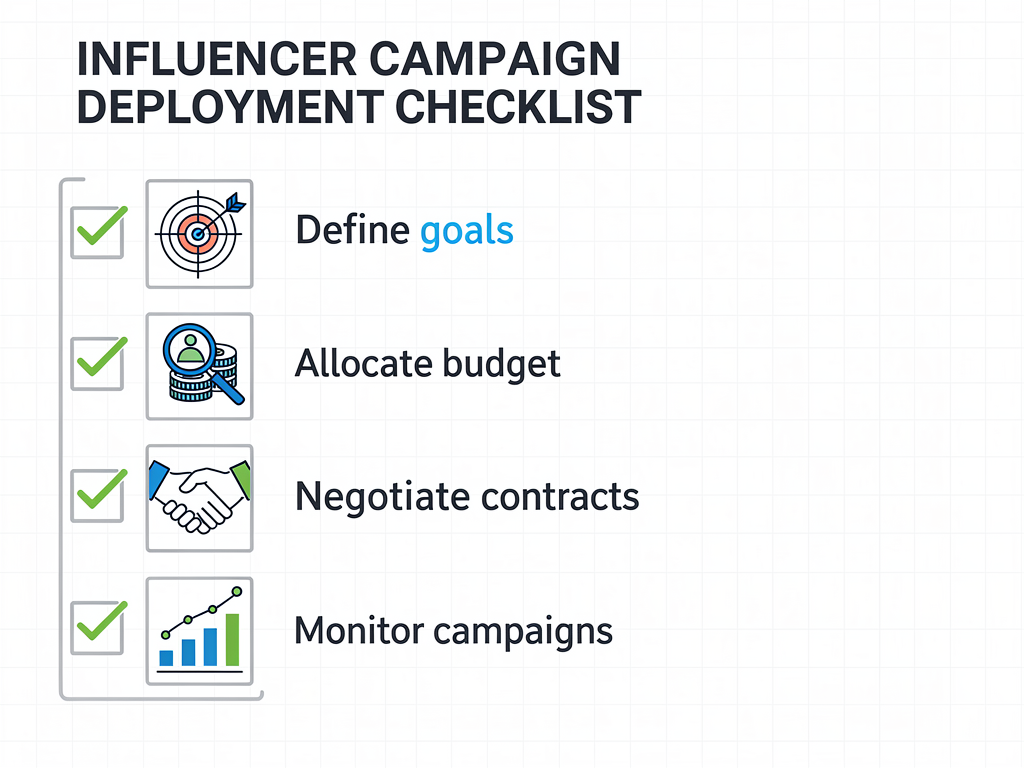
- [ ] Define clear campaign goals: awareness, conversions, or community growth, and set KPIs tied to business outcomes.
- [ ] Allocate budget conservatively, favoring micro-influencers over one or two macro-creators to reduce risk.
- [ ] Vet each influencer by reviewing engagement rates, audience demographics, comment quality, and past project partnerships.
- [ ] Check for red flags: bot followers, fake engagement, histories of scam promotions, or agencies demanding upfront fees without transparency.
- [ ] Negotiate clear contracts with deliverables, timelines, disclosure requirements, and performance-based payment structures where possible.
- [ ] Monitor campaigns in real time, tracking views, engagement, click-throughs, and on-chain activity to catch issues early.
- [ ] Audit content quality regularly and pause collaborations with creators producing off-brand or low-quality material.
- [ ] Compare TikTok results to other platforms like Instagram, Twitter, and Facebook to ensure you’re not overpaying for underperforming channels.
- [ ] Consider building in-house creator relationships if you have the infrastructure, as this often yields better rates and content.
- [ ] Test affiliate or performance-based models alongside flat-fee influencer deals to identify which drives higher ROI.
FAQ: Your Questions Answered
Are TikTok crypto influencers worth the cost compared to other platforms?
TikTok influencers are often overpriced relative to Instagram, Twitter, and even Facebook. Marketers report significantly higher cost-per-view and cost-per-mille rates on TikTok, with conversions frequently lagging behind engagement. Instagram tends to deliver higher engagement at more reasonable rates, while Crypto Twitter KOLs are easier to work with and more cost-effective for targeted crypto audiences.
How can I tell if an influencer has real followers or bought bots?
Check engagement rates first; anything consistently below 2–3% on TikTok is suspicious. Review comments for genuine conversation rather than spam or generic emojis. Use tools like HypeAuditor or Social Blade to analyze follower growth patterns—sudden spikes often indicate purchased followers. Cross-reference the creator’s history and ask for analytics screenshots showing audience demographics and watch time.
What red flags should I watch for when hiring influencer agencies?
Avoid agencies that promise specific view counts, demand large upfront service fees, or refuse to disclose their creator network. According to experienced marketers, roughly 99% of crypto influencer agencies are ineffective, especially for TikTok, Instagram, and YouTube. Transparent agencies will show you exactly which influencers they represent, provide case studies with verifiable results, and offer performance-based pricing models.
Do micro-influencers really perform better than macro-influencers?
In many cases, yes. A verified campaign using micro-influencers generated 170 posts, 427,000 views, and a 200% engagement boost in one month. Micro-influencers typically have higher engagement rates, more authentic audience relationships, and lower per-post costs. Diversifying across multiple smaller creators also reduces risk compared to spending your entire budget on one or two high-profile names.
Can user-generated content campaigns on TikTok drive actual sales?
User-generated content excels at virality but often fails to convert. One team spent over $300,000 on UGC campaigns, achieved high view counts, but saw negligible sales. They shifted their budget to affiliate programs offering 30% commissions per sale, which became their top revenue channel. UGC works better for apps that users can quickly adopt and share, while hardware or complex products require longer sales cycles and different strategies.
How do I avoid scam influencers who pump and dump tokens?
Research the influencer’s history thoroughly. Look for patterns of promoting tokens that immediately collapsed, pre-buying with hidden wallets, or launching multiple projects in quick succession. One documented case involved a creator with millions of followers who launched several tokens, rugged each for small profits, and left investors with near-zero returns. Always verify on-chain activity, check community sentiment, and avoid influencers who refuse to disclose their wallet addresses or past partnerships.
Should I build an in-house influencer team or use agencies?
Building in-house relationships offers better rates, content quality, and control, but requires significant infrastructure and a well-connected relationship manager. If you lack internal expertise, partner with a transparent, performance-focused agency or specialist. In-house teams work best when you plan long-term campaigns and can dedicate staff to creator coordination, contract management, and content approval workflows.
Conclusion
Navigating the landscape of TikTok crypto influencers demands skepticism, rigorous vetting, and a clear-eyed focus on ROI over vanity metrics. The platform’s costs are inflated, scams are common, and conversions often disappoint. Yet, when executed with precision—targeting micro-influencers, diversifying spend, and tying KPIs to real business outcomes—campaigns can generate substantial awareness and engagement. Compare results across channels, audit creator authenticity relentlessly, and remain ready to pivot budgets toward affiliates or other platforms when TikTok underperforms. The projects that succeed treat influencer marketing as one tool among many, not a magic bullet.