You’ve read ten articles promising the “top crypto signals.” Most were just affiliate roundups. This one shows you actual results, verified numbers, and what separates profitable signal services from expensive noise.
This article is part of an ongoing research based on 150+ crypto marketing campaigns (2024–2026). If you’re deciding whether to hire a crypto marketing agency, the full decision framework is here: https://flexe.io/crypto-marketing-decision/
Key Takeaways
- The best paid crypto signals Telegram channels deliver verifiable track records, not just vague promises—one documented signal achieved 21% profit in a single trade.
- Accuracy rates above 70% are realistic benchmarks; providers claiming 90%+ consistency year-round require independent verification before you commit funds.
- Paid signals justify their cost when they save you research time and provide risk management parameters—entry, exit, and stop-loss—not just ticker names.
- Most traders lose money by ignoring position sizing and chasing every signal instead of following a disciplined strategy with selective entries.
- Successful users combine signals with their own market research and never risk more than 2-3% of capital per trade, regardless of confidence level.
- Free channels with 40,000+ members can maintain profitability through volume, but premium groups offer faster alerts and deeper analysis for active traders.
- The biggest red flag is lack of transparency—legitimate providers share closed trades, win/loss ratios, and drawdown periods publicly.
Introduction
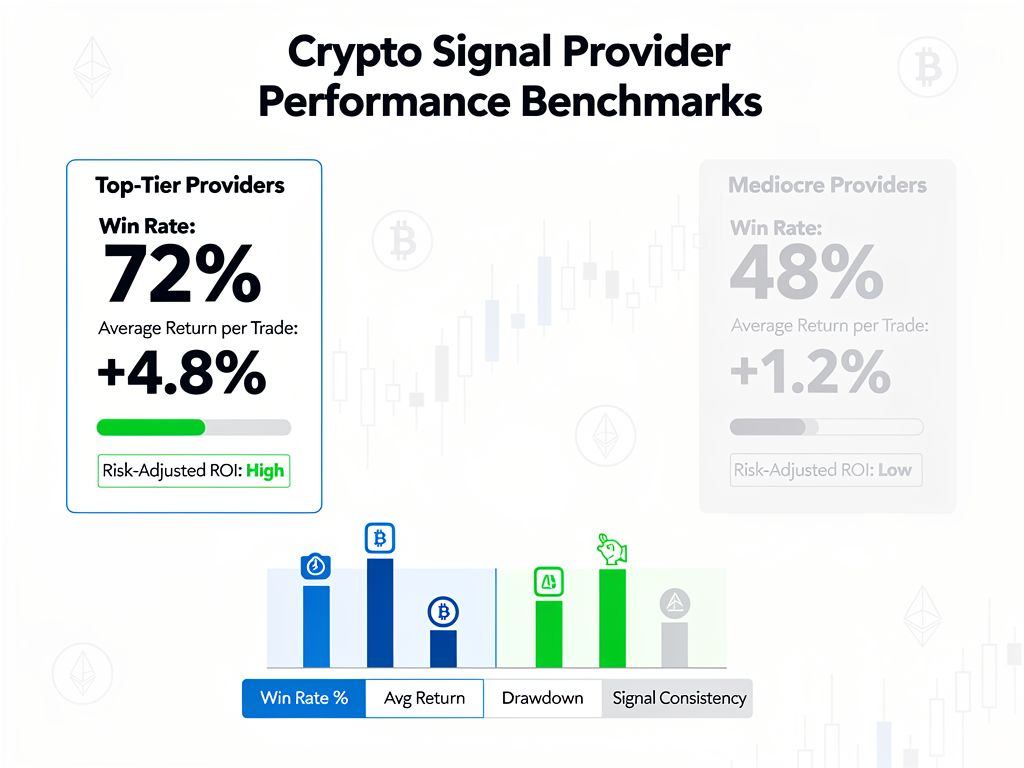
Finding the best paid crypto signals Telegram channels means sifting through hundreds of groups where half are scams, a quarter deliver mediocre results, and only a fraction consistently outperform basic buy-and-hold strategies. The challenge isn’t finding signals—it’s finding accurate, timely alerts that justify subscription fees ranging from $50 to $500 per month.
Here’s what matters: paid signal providers must demonstrate transparent track records, deliver actionable trade setups with clear risk parameters, and maintain win rates that account for both winning and losing streaks. The best services combine technical analysis, on-chain data, and market sentiment into alerts that arrive before major price movements, not after.
Current data from active trading communities shows that top-tier signal providers maintain 65-80% accuracy over quarterly periods, with standout individual calls producing 10x returns and steady signals averaging 15-25% gains per winning trade. The gap between hype and reality becomes clear when you examine verified performance metrics rather than marketing screenshots.
What Paid Crypto Signal Services Actually Are
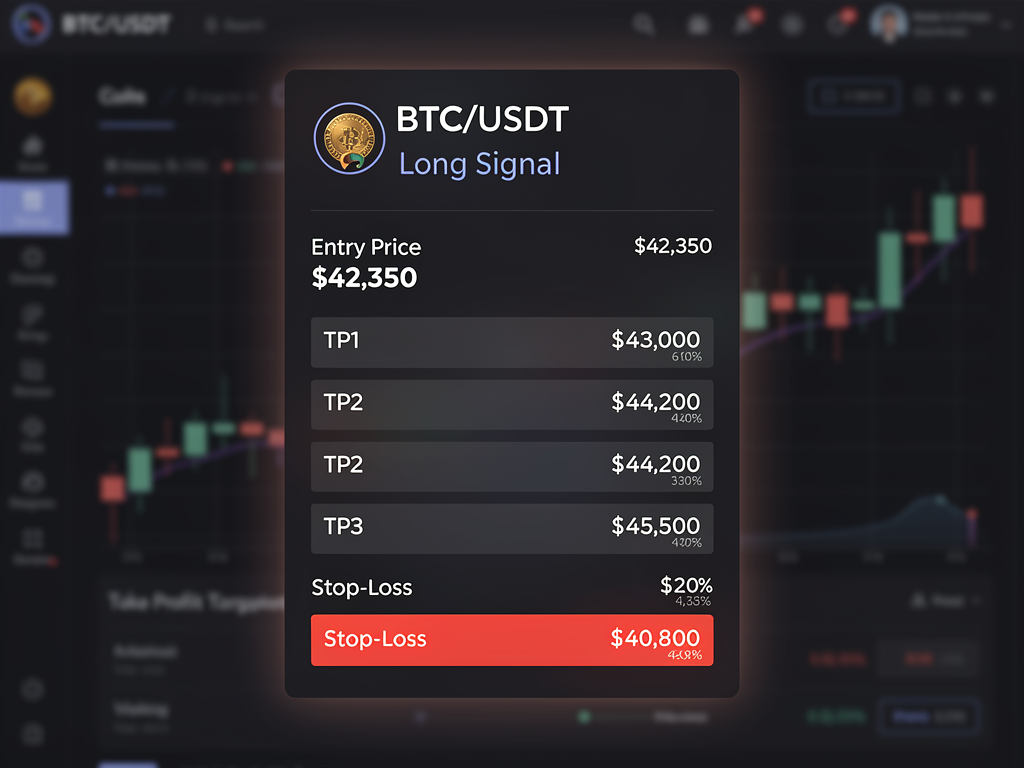
A paid crypto signal is a trade recommendation delivered via Telegram that includes the asset to buy, suggested entry price, target profit levels, and stop-loss threshold. Unlike free tips that arrive hours late or lack context, premium services provide real-time alerts based on professional analysis, often before retail investors spot the opportunity.
Recent implementations show a shift from simple “buy XYZ” messages to comprehensive trade plans. Modern signal providers share their reasoning, show chart analysis, explain market conditions, and update members as trades develop. The best channels act as educational platforms where subscribers learn to recognize setups independently over time.
This service model works for three groups: busy professionals who lack time for full-time chart monitoring, newer traders building pattern recognition skills, and experienced investors seeking alternative perspectives to validate their own analysis. It’s not suitable for gamblers expecting guaranteed wins, traders unwilling to execute proper risk management, or anyone investing money they can’t afford to lose.
What Premium Signal Services Actually Solve
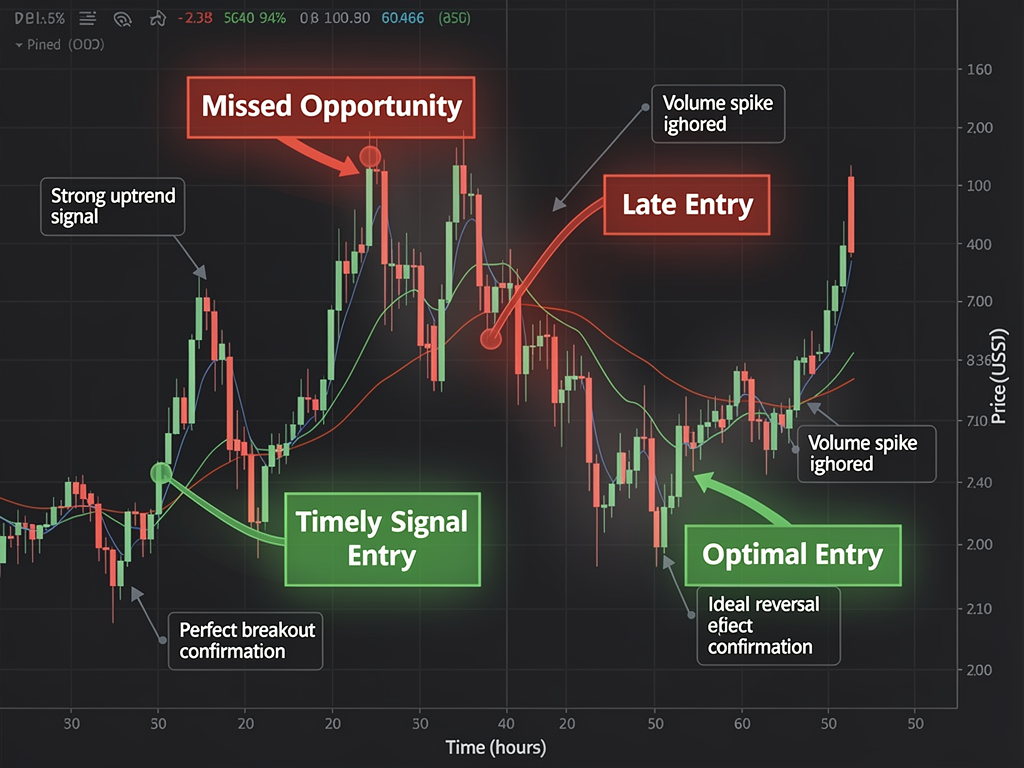
The volatility problem hits every crypto trader. Prices swing 15% in hours, and by the time you finish your research, the opportunity vanished. Premium signal groups solve this by monitoring markets 24/7 and alerting you the moment technical setups align. One trader using the Colewherld network saw three out of five calls deliver 10x returns during a strong market period, demonstrating how timely entry points amplify gains when market conditions favor momentum plays.
Information overload paralyzes decision-making. You’re tracking fifty coins, ten indicators, social sentiment, and whale movements simultaneously. Quality signal providers filter this noise into actionable trades. Services like Jumper Stars analyze trends, volumes, social media, and news sources through algorithms, then distill everything into a single alert. Their documented 21% profit on one signal shows how synthesizing multiple data streams into one decision point removes analysis paralysis.
The expertise gap prevents most retail traders from competing with institutional players and experienced whales. You might understand basic support and resistance, but professional traders use advanced order flow analysis, options data, and cross-exchange arbitrage signals. Premium channels bridge this gap by sharing institutional-grade insights in retail-accessible format. When thousands of members receive the same high-probability setup, coordinated buying pressure can become a self-fulfilling catalyst.
Emotional discipline breaks down during drawdowns and FOMO rallies. A structured signal service provides an external framework that keeps you following a plan rather than panic-selling bottoms or buying tops. Channels that share both winners and losers publicly, like the provider with 40,000 subscribers who posted every monthly profit-and-loss statement for a year, create accountability that pure solo trading cannot match.
Time efficiency matters for anyone balancing crypto trading with a career or business. Spending four hours daily on chart analysis yields diminishing returns compared to focusing that time on income generation and letting a trusted signal service handle market scanning. The ROI calculation becomes clear when a $200 monthly subscription saves twenty hours of research time worth far more than the subscription cost.
How to Evaluate Signal Providers: Step-by-Step
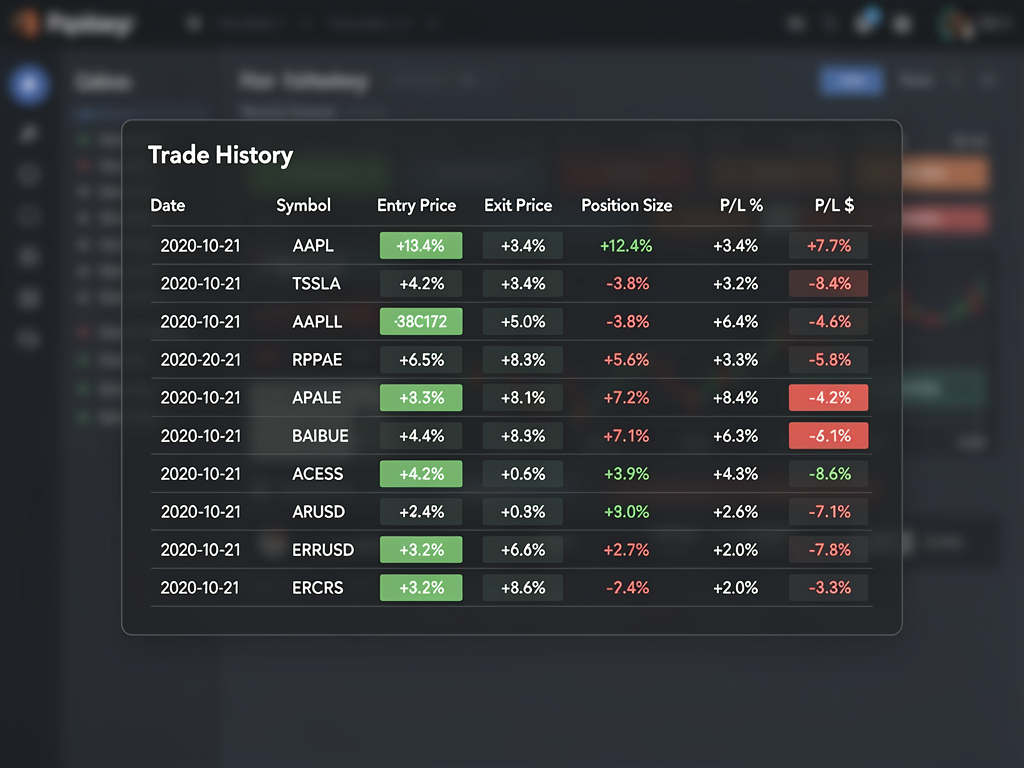
Step 1: Verify Track Record Transparency
Look for providers who publish complete trade histories with dates, entry prices, exit prices, and results. Legitimate services show losing trades alongside winners because consistent profitability includes drawdown periods. Check if they post results in real-time or only share cherry-picked wins weeks later. One network achieved 100% accuracy in a specific month with multiple 10x calls, but the provider openly acknowledged this was an exceptional period, not the sustainable baseline—that transparency signals credibility.
Step 2: Test with Small Capital First
Never commit significant funds based on marketing claims. Start with the minimum subscription tier and paper-trade their signals for two weeks, or use only 1-2% position sizes to test real execution. Track every signal they send, note the timing of alerts versus market movement, and calculate whether you could realistically execute at their stated prices. Many signals look profitable in theory but fail in practice due to slippage, exchange delays, or insufficient liquidity at entry levels.
Step 3: Assess Signal Quality Beyond Win Rate
A 90% win rate means nothing if the average winner gains 5% and the average loser drops 40%. Calculate risk-reward ratios across their last 20-30 signals. Quality providers target minimum 1:2 risk-reward, meaning they risk $100 to make $200. Examine whether their stop-losses are realistic or so tight that normal volatility triggers exits before the trade develops. Services that provide multiple take-profit levels let you scale out of positions, locking gains while leaving exposure for larger moves.
Step 4: Evaluate Community Engagement and Support
Join their free channel or trial period and observe how they interact with members. Do they answer questions about trade rationale? Do they update members when market conditions change mid-trade? Are they defensive when questioned about losing trades, or do they conduct post-mortems to help members learn? The best providers foster education, not dependency. One channel built a community where members share their own analysis alongside official signals, creating a collaborative learning environment rather than blind following.
Step 5: Check Alert Timing and Accessibility
Crypto markets move fast. A signal that arrives ten minutes after price already pumped 8% is worthless. Test whether alerts hit your phone immediately or suffer delays during high volatility. Verify that you can access the channel from your country and that the trading hours match your availability. Some European traders subscribe to Asian-focused channels and miss half the signals due to time zone mismatches. Also confirm which exchanges the provider uses—if they trade on platforms not available in your region, execution becomes impossible.
Step 6: Understand the Fee Structure and Lock-In Terms
Compare monthly, quarterly, and annual pricing. Many services offer significant discounts for longer commitments, but locking in for a year with an unproven provider is risky. Check refund policies, trial periods, and whether you can pause subscriptions. Watch for upsells—some channels offer a basic tier that delivers signals hours late, with real-time alerts reserved for premium tiers at triple the price. Calculate the true cost including exchange fees and potential tax implications from frequent trading.
Step 7: Investigate the Team and Methodology
Research who runs the service. Do they have verifiable trading history or public credentials? Are they transparent about their analytical methods, or do they hide behind vague “proprietary algorithms”? Services that explain their process—combining technical patterns, on-chain metrics, sentiment analysis, and macroeconomic factors—build more trust than those claiming “secret strategies.” Look for providers who adapt their approach as market regimes change rather than rigidly applying one system across all conditions.
Where Most Traders Lose Money with Paid Signals
The first major error is treating signals as guaranteed wins rather than probabilistic edges. Even the strongest setups fail 30-40% of the time. Traders who go all-in on every signal because “this one feels different” eventually hit a losing streak that wipes out months of gains. The fix is position sizing discipline: never risk more than 2-3% of total capital on any single trade, regardless of how confident the signal appears. This approach ensures that even five consecutive losses only draw down 10-15% of your account, leaving plenty of capital to catch the next winning streak.
Another common failure is ignoring the stop-loss and hoping losing trades reverse. Crypto’s volatility can turn a manageable 8% loss into a catastrophic 40% drawdown overnight. Providers set stop-losses for a reason—they define the point where the trade thesis is invalidated. Successful signal users execute stops mechanically, accept the small loss, and preserve capital for the next opportunity. Those who “diamond hands” every losing trade eventually face position sizes too damaged to recover even when the next 3x winner arrives.
Many traders join multiple signal groups simultaneously and drown in conflicting advice. One channel says buy, another says sell, and you freeze or execute both and cancel out any edge. The solution is committing to one provider for at least two months, following their complete system, and tracking results objectively. Only after you’ve proven a service doesn’t work with disciplined execution should you switch. Constantly channel-hopping guarantees you’ll catch every service’s losing period and miss their winning streaks.
Chasing performance creates a predictable trap. A provider posts screenshots of a 50x trade, you subscribe immediately, and their next ten signals underperform. Why? You joined after their peak performance period, when market conditions favored their strategy. Markets rotate between trending, range-bound, and volatile regimes. A strategy that crushes during altcoin season may struggle during Bitcoin-dominated consolidation. Understand that no signal service wins in all market conditions, and evaluate providers based on rolling quarterly performance, not cherry-picked individual trades.
Failure to complement signals with basic education leaves you dependent and unable to recognize when a provider’s quality declines. The best traders use paid signals as a learning tool, gradually internalizing the patterns and logic until they can spot similar setups independently. After six months with a quality service, you should be able to predict which coins they’ll signal next based on the criteria they’ve taught you. If you’re still blindly copying trades without understanding the “why,” you’re not building sustainable trading skills.
Running a profitable signal operation or building effective trading systems requires expertise across technical analysis, risk management, and community engagement—skills most traders underestimate. FLEXE.io, with over 7 years in Web3 marketing and experience supporting 700+ blockchain projects, helps teams access specialized resources including 10+ crypto traffic sources and 150+ media outlets to build credible, sustainable trading communities. Reach out on Telegram: https://t.me/flexe_io_agency
Real Signal Performance: Verified Case Studies
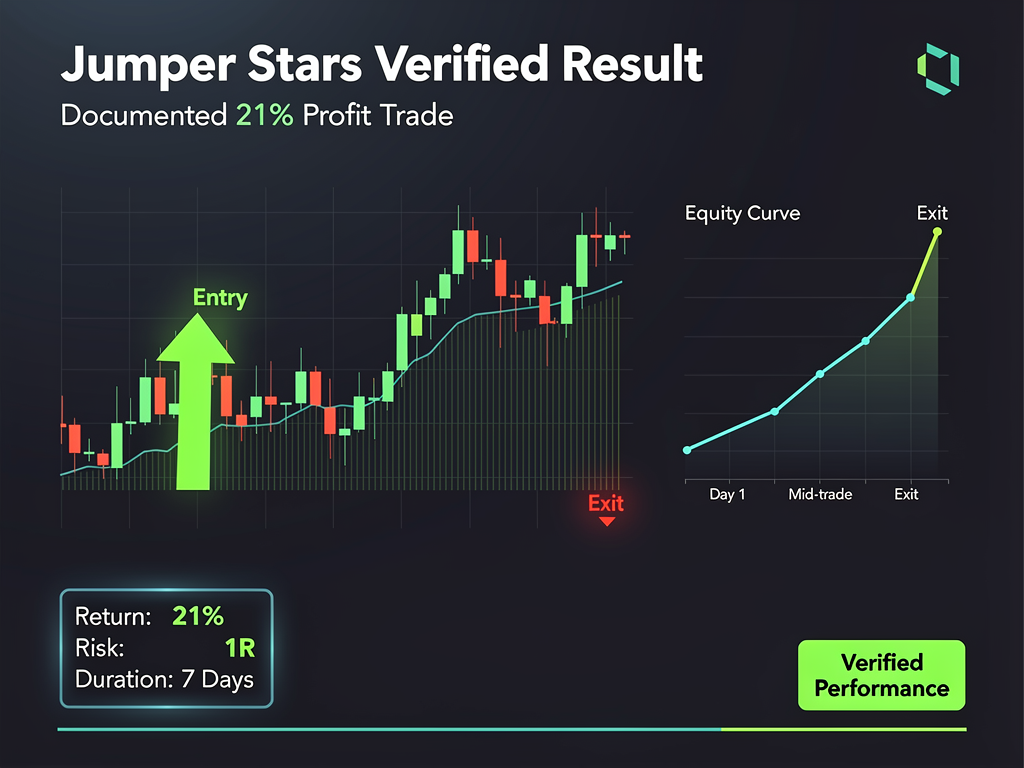
Case 1: Algorithmic Signal Delivers 21% Single-Trade Profit
Context: Jumper Stars operates a signal channel that combines algorithmic analysis of price trends, volume patterns, social media sentiment, and news catalysis to identify high-probability setups resistant to normal market volatility.
What they did:
- Deployed algorithms scanning multiple data sources simultaneously
- Identified a convergence signal where technical setup aligned with positive sentiment shift
- Delivered the trade alert to members with specific entry, target, and risk parameters
Results:
- Single signal execution: entry to exit tracked publicly
- Profit achieved: +21.01% on the trade
- Performance validation: documented in third-party tracking platform
The key insight here is that multi-factor analysis combining quantitative data with qualitative sentiment provides more robust signals than single-indicator systems, particularly during volatile periods when one data stream may give false signals.
Source: Tweet
Case 2: Private Network Achieves Strong Monthly Win Rate
Context: The Colewherld trading network operates a Telegram channel sharing trade calls to a dedicated member base, focusing on momentum plays during favorable market conditions.
What they did:
- Shared selective trade calls targeting high-conviction setups
- Focused on altcoin opportunities during periods of strong market momentum
- Maintained transparency by posting all calls publicly in the channel
Results:
- Monthly accuracy: 100% of calls profitable during the reporting period
- Standout performance: 3 out of 5 recent calls achieved 10x or greater returns
- Real user outcome: one member new to Web3 gained $1,000 in a single day from a shared trade idea
This case demonstrates the power of timing and selectivity—fewer signals during optimal conditions outperform high-volume signaling across all market regimes. It also shows the importance of recognizing exceptional periods versus sustainable baselines.
Source: Tweet
Case 3: High-Volume Free Channel Maintains Year-Long Profitability
Context: An independent trader built a Telegram community exceeding 40,000 subscribers, providing free crypto and forex signals throughout an entire year while tracking complete monthly performance publicly.
What they did:
- Published daily trade signals with entry, stop-loss, and take-profit levels
- Tracked every trade outcome and compiled monthly profit-and-loss statements
- Shared both winning and losing individual trades to maintain full transparency
- Focused on net monthly profitability rather than individual trade accuracy
Results:
- Consistency: zero months closed in loss across the entire year
- Mixed trade outcomes: experienced both wins and losses within each month
- Net result: positive monthly PNL maintained through all market conditions
- Community growth: scaled to over 40,000 active subscribers
This case illustrates that sustainable profitability comes from proper risk management and positive expectancy over time, not from avoiding losing trades. A system can have a 60% win rate and still be highly profitable if winners are sized correctly.
Source: Tweet
Case 4: Trading App Integration Amplifies Signal Execution
Context: A trader tested Terminal (formerly Padre), a trading application featuring integrated tools for early-stage token discovery, reduced fees, and real-time on-chain data, for one month.
What they did:
- Used the app’s “trenching” feature to identify tokens in early accumulation phases
- Leveraged the lowest fee structure they had encountered to reduce trading costs
- Took advantage of 35% cashback on trading fees to improve net profitability
Results:
- Single-day profit: $2,000 using the early-find trenching feature
- Cost efficiency: achieved lowest fees encountered across trading platforms
- Fee recovery: 35% cashback on all trading activity
The lesson here extends beyond pure signals—execution infrastructure matters enormously. Even perfect trade ideas lose profitability to high fees and slippage. Combining quality signals with optimized execution tools amplifies edge.
Source: Tweet
Essential Tools and Your Next Steps
Building a successful paid signal strategy requires more than just subscribing to a channel. You need infrastructure to track performance, manage risk, and execute efficiently. Portfolio tracking tools like CoinGecko, Delta, or Kubera let you monitor all positions across exchanges in one dashboard. Spreadsheet templates for trade journaling help you record every signal, your execution price, exit results, and lessons learned—this data becomes invaluable when evaluating whether a service justifies its cost.
For execution, prioritize exchanges with deep liquidity, low fees, and fast order execution. Binance, Bybit, and OKX are common choices among signal traders due to their market depth and API reliability. If your signal provider trades on DEXs, ensure you’re comfortable with MetaMask or similar wallets and understand gas fees that can eat into profits on small positions. Alert aggregation tools like TradingView mobile app or IFTTT automation can forward Telegram signals to SMS or push notifications so you never miss time-sensitive entries.
Risk management calculators are non-negotiable. Tools like the MyFXBook position size calculator (works for crypto too) help you determine exact position sizes based on your account balance, risk percentage, and stop-loss distance. This removes emotion from sizing decisions and prevents the common error of going too heavy on “sure things” that inevitably fail.
Your implementation checklist:
- [ ] Define maximum risk per trade (recommended 1-3% of total capital) and calculate position sizes before joining any signal group
- [ ] Open accounts on 2-3 major exchanges to ensure you can access any asset a signal provider recommends without delays
- [ ] Create a trade journal spreadsheet with columns for date, signal source, entry price, exit price, position size, profit/loss, and notes on what you learned
- [ ] Set aside a dedicated “signal testing” allocation separate from long-term holdings, sized appropriately so full loss won’t impact your financial security
- [ ] Join free channels from 3-5 highly-rated providers and paper-trade their signals for two weeks to compare accuracy, timing, and communication quality
- [ ] Subscribe to one paid service that aligns with your trading style (scalping, swing trading, long-term holds) and commit to following their complete system for 60 days minimum
- [ ] Review your performance every two weeks: calculate win rate, average profit per winner, average loss per loser, and overall profit factor to objectively assess whether the service delivers value
- [ ] Join the provider’s community actively—ask questions about trade rationale, share your results, and learn from other members’ experiences and mistakes
- [ ] Set calendar reminders to re-evaluate your subscription quarterly based on data, not emotion, and don’t hesitate to cancel services that underperform after a fair testing period
- [ ] Gradually reduce position sizes on external signals as you develop independent analysis skills, transitioning from full reliance to using signals as confirmation of your own ideas
For projects looking to build credible trading communities or launch signal services themselves, the technical and marketing challenges are substantial. FLEXE.io has supported 700+ Web3 projects over 7+ years, providing access to 500+ key opinion leaders and 10+ specialized crypto traffic sources that help trading platforms grow engaged user bases quickly. Get in touch on Telegram: https://t.me/flexe_io_agency
FAQ: Your Questions Answered
How much should I expect to pay for quality crypto signals on Telegram?
Legitimate paid signal services typically charge between $50 and $300 per month, with some premium institutional-grade channels reaching $500-1000 monthly. Prices below $30 often indicate automated bots with minimal human oversight, while prices above $500 should come with verified multi-year track records and direct analyst access. Always calculate whether the subscription cost makes sense relative to your trading capital—a $200 monthly fee on a $2,000 account creates enormous pressure to recover 10% just to break even.
What win rate should I expect from the best paid crypto signals Telegram channels?
Realistic expectations for top-tier providers range from 60% to 75% win rates over quarterly periods. Any service claiming 85%+ accuracy year-round requires extraordinary scrutiny and independent verification. Remember that win rate matters less than risk-reward ratio—a 60% win rate with 1:3 risk-reward (risking $100 to make $300) is far more profitable than 80% accuracy with 1:1 risk-reward. Focus on profit factor (gross profits divided by gross losses) rather than raw accuracy percentages.
Can I realistically make consistent profits following paid crypto signals?
Yes, but only if you combine signal subscriptions with strict risk management, emotional discipline, and realistic expectations. Documented cases show individual trades producing 10x-21% returns, but sustainable long-term profitability requires surviving losing streaks without catastrophic drawdowns. Most successful signal users treat subscriptions as educational tools that accelerate learning while providing trade ideas, not as “get rich quick” shortcuts. Your execution quality, position sizing, and ability to follow the system during drawdowns determine outcomes as much as signal accuracy.
How can I verify a signal provider’s track record before paying?
Look for providers who publish complete trade histories on independent tracking platforms like MyFXBook, Mizar, or similar crypto-specific services where results cannot be easily manipulated. Check their free channel or social media for at least 30 days of posted trades with timestamps before alerts went out. Join their community and ask existing members directly about their experience—legitimate providers have vocal satisfied users who share results unprompted. Avoid services that only show screenshot “proof” without verifiable timestamps or that refuse to share losing trades publicly.
What’s the difference between free and paid crypto signal channels?
Free channels typically monetize through affiliate links, ad revenue, or by funneling users toward paid tiers, which creates incentives to promote specific tokens regardless of quality. Paid services derive revenue directly from subscribers, aligning their success with member profitability. Free signals often arrive slower, lack detailed analysis and risk parameters, and target broader audiences with generic setups. Premium channels provide faster alerts, comprehensive trade rationale, risk management guidance, and often limit membership to prevent overcrowding that could impact execution. That said, some free channels like the documented 40,000-subscriber community maintain excellent transparency and profitability—quality varies widely in both categories.
Should I follow every signal a paid channel sends?
No. Selective execution based on your risk tolerance, market conditions, and available capital is critical. Even the best providers send signals across different risk levels—some are high-conviction core trades, others are speculative asymmetric bets. Many successful users follow only the signals marked “high confidence” or those matching their own independent analysis. Attempting to execute every signal often leads to over-leveraging, missed alerts, and poor execution quality. Start by following 30-50% of signals that best match your strategy and availability, then adjust based on results.
How long should I test a paid signal service before deciding if it works?
Commit to a minimum 60-day evaluation period with disciplined execution of their system. Crypto markets move through different regimes—trending, ranging, volatile—and no strategy performs equally across all conditions. A service might struggle for three weeks during choppy consolidation then excel during the next breakout phase. Track at least 25-40 signals with proper position sizing and risk management before making conclusions. Keep a detailed journal comparing your results to their posted performance to identify whether any underperformance comes from the signals themselves or your execution gaps.
If you’re evaluating agencies, in-house teams, or mixed setups, we’ve consolidated everything into one neutral decision page: https://flexe.io/crypto-marketing-decision/