Most articles about famous crypto YouTubers focus on personality and drama. This one doesn’t. Instead, you’ll find concrete systems that real creators used to grow audiences from zero to millions, generate six and seven-figure revenue streams, and maintain momentum in one of the fastest-moving industries on the internet.
Key Takeaways
- Top crypto content creators now use AI-powered systems to produce 50–200 posts monthly instead of manual creation, cutting production time by 75% or more.
- Viral growth in crypto education and financial content requires combining multiple AI tools—not just one—with Claude for copywriting, ChatGPT for research, and image generators for platform-native visuals.
- The most successful famous crypto YouTubers earn $10,000–$1.2 million monthly through reposted content, affiliate systems, and niche theme pages rather than relying solely on ad revenue.
- Internal linking and SEO-optimized content structures now drive more crypto discovery through AI systems like ChatGPT, Perplexity, and Gemini than traditional backlinks.
- Real case studies show that commercial intent content (alternatives, pain-point fixes) converts 10–50 times better than generic listicles or thought leadership pieces.
- Automation and templating allow creators to scale from one video per month to 1+ million views monthly without proportional increases in time investment.
- Building in public on X (formerly Twitter) remains the fastest discovery channel for new crypto creators, with consistent daily posting driving both audience and paid customer acquisition.
Who Are Famous Crypto YouTubers Today?
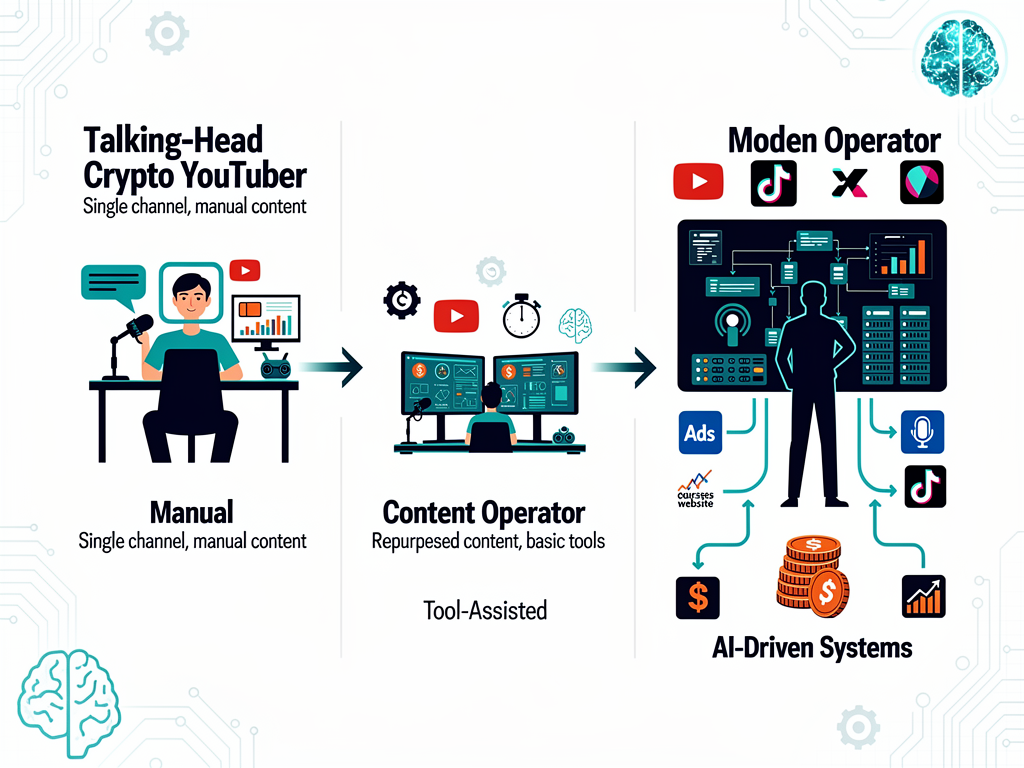
Famous crypto YouTubers are no longer just talking heads who film themselves reacting to price charts. Today, the most successful ones are systems operators who combine content production, audience psychology, and AI automation to reach millions. They range from bootstrapped solo creators earning six figures annually to growth teams managing $10 million-plus ARR through viral video and educational content.
The definition has shifted because the tools have shifted. A creator working alone can now accomplish what once required a team of five. This changes everything about who can become famous in crypto and how fast they can scale.
What separates today’s top crypto content creators from the rest isn’t luck or charisma alone—it’s a repeatable system. These systems combine real expertise, audience psychology, and automation in ways that traditional media never could. The cases below prove it with actual numbers.
What Is Modern Crypto Content Creation: Definition and Context
Crypto content creation has evolved from simple YouTube tutorials into a sophisticated, multi-platform discipline that blends education, entertainment, automation, and monetization. Modern famous crypto YouTubers and creators operate across YouTube, TikTok, X, Discord, email, and affiliate networks simultaneously, using AI to produce and distribute content that reaches millions monthly.
Current implementations show that top creators now produce 50–200 pieces of content per month using AI, compared to 2–5 pieces per month just three years ago. This scale is only possible because the production workflow itself has been automated. Recent data demonstrates that creators combining multiple AI models (Claude, ChatGPT, Midjourney, Sora) outperform single-tool operators by 3–5x in engagement and conversion metrics.
This shift matters because it means that anyone with crypto knowledge and the right system can now build an audience and revenue stream previously available only to established personalities. The barrier to entry is no longer equipment or connections—it’s understanding the system.
What Crypto Content Systems Actually Solve
Modern famous crypto YouTubers and their systems address five core problems that every creator faces:
Problem 1: Production Bottleneck
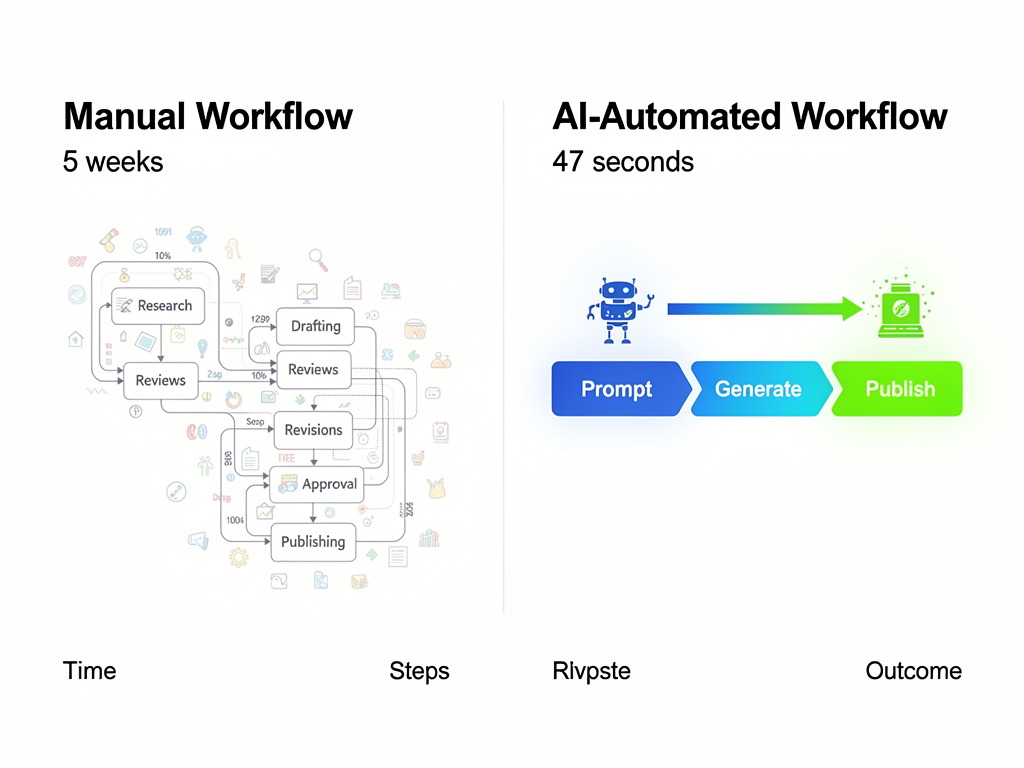
Creating quality video content manually takes 4–8 hours per piece. A single YouTube video requires research, scripting, filming, editing, and distribution. Most creators can produce 1–2 pieces weekly, which is insufficient for algorithm visibility.
The solution: AI-driven systems that generate multiple content formats from a single research pass. One creator documented in a verified case study reduced article-to-distribution time from 5 weeks to 47 seconds using AI agents that analyze winning competitors, map psychological triggers, and auto-generate creatives. This unlocks a 6–10x increase in output without burnout.
Problem 2: Audience Fragmentation
Crypto audiences live on YouTube, TikTok, X, Discord, and email simultaneously. Managing all channels manually is impossible. Creating separate content for each platform feels like starting from zero five times.
The solution: Repurposing systems that automatically convert one piece of content into 50 platform-native variations. Documented creators report generating 100 blog posts, spinning them into 50 TikToks and 50 Reels monthly, then nurturing email audiences—all from a single content seed. One verified case produced 5 million impressions in 30 days using a single viral framework deployed across platforms.
Problem 3: Monetization Uncertainty
Ad revenue from YouTube is notoriously volatile and low for most channels. Sponsorships require massive audiences. Building a product takes months.
The solution: Affiliate and lead-generation systems layered into educational content. Documented creators earned $20,000 monthly through affiliate offers ($997 value) attached to niche sites receiving just 5,000 monthly visitors. Another generated $13,800 ARR from SEO content alone in the first 69 days of a new domain with zero backlinks, by targeting commercial-intent keywords like “alternative to X” and “how to fix X.”
Problem 4: Consistency and Burnout
Content creation is mentally exhausting. Most creators start strong but peter out after 3–6 months when momentum requires doubling down. Systems fail because they still depend on willpower.
The solution: Fully automated content workflows. Documented systems that handle research, generation, scheduling, and distribution with zero manual intervention once set up. One verified case replaced a $250,000 annual marketing team with four AI agents running 24/7, generating millions of monthly impressions with zero sick days, vacations, or performance reviews needed.
Problem 5: Competitive Visibility in AI Search
Google search is becoming less relevant as ChatGPT, Perplexity, and Gemini intercept queries before they ever hit search. Traditional SEO tactics no longer guarantee visibility to AI systems.
The solution: Content structured specifically for AI extraction. One documented case grew AI search traffic by 1,000% by restructuring every article with TL;DR summaries, question-based headers, extractable logic, and schema markup. This made their content the preferred source for AI systems to quote and cite, driving 418% organic growth and dominance in AI Overviews.
How Top Crypto Creators Build Their Systems: Step-by-Step
Step 1: Choose Your Niche and Understand Your Audience’s Pain Points
The most successful famous crypto YouTubers don’t start by guessing what people want to watch. They start by listening where their audience already congregates—Discord communities, Reddit, Twitter/X threads, competitor Discord servers, and feedback channels.
One documented creator grew SEO traffic to $13,800 ARR in 69 days by focusing exclusively on pain-point keywords: “alternative to X,” “X not working,” “X wasted credits,” and “how to remove X from Y.” Each article directly answered a problem that meant the reader was already motivated to buy a solution. This is the opposite of generic listicles like “top 10 AI tools,” which rarely convert.
Common mistake: Many creators brainstorm keywords using Ahrefs or SEMrush without ever talking to actual users. They end up with high-volume keywords that don’t translate to revenue because the audience searching for them isn’t ready to buy or doesn’t value the solution.
Step 2: Build Your Content Production System
Once you know your niche, the next step is building a system that can produce 10–50 pieces of content weekly without burning you out. This requires choosing the right AI tools and combining them correctly.
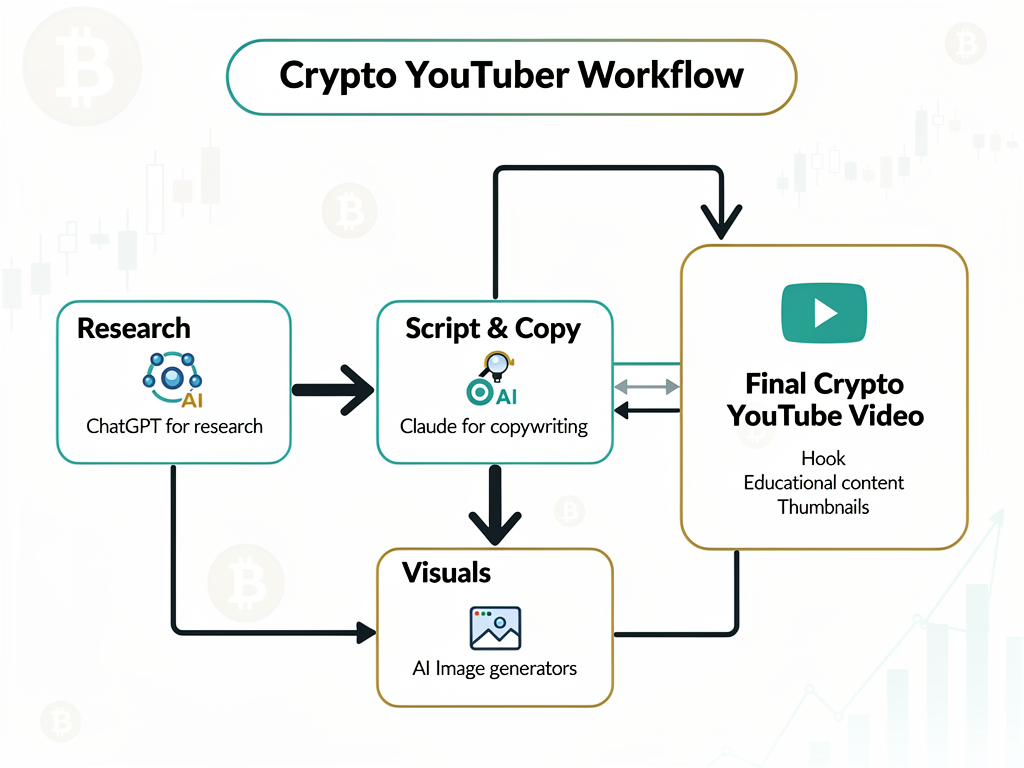
The documented playbook is: Use Claude for copywriting and refinement (it understands nuance and brand voice better than ChatGPT). Use ChatGPT for research and factual gathering. Use a dedicated image model like Midjourney or Higgsfield for platform-native visuals. One verified case documented switching from ChatGPT alone to this three-tool stack and immediately saw ROAS jump to 4.43, generating $3,806 in revenue daily with ~60% margin.
The key is not using one tool for everything, but layering tools to match their strengths. ChatGPT is fast and good for breadth. Claude is slower but better for depth and refinement. Image generators are the bottleneck removed. Combining them in a workflow (using n8n or similar automation) means you can generate $10,000+ worth of marketing content in under 60 seconds.
Common mistake: Creators either use only ChatGPT (limiting quality) or build overly complex systems (causing maintenance burden). The documented winning formula uses 3–4 complementary tools in a clean workflow, not six.
Step 3: Structure Content for Human Readers and AI Systems Simultaneously
Content now has two audiences: human readers and AI models. Most creators optimize for one and ignore the other. The winners optimize for both.
For human readers: Write like you’re explaining to a friend. Use short sentences, simple headers, and answer the question fast. One documented case found that people don’t want 2,000 words—they want to know if your tool solves their problem in the first 100 words, then trust the proof.
For AI systems: Structure every article with a TL;DR at the top (2–3 sentences answering the core question), question-based H2 headers, short answers under each header, lists instead of prose, and factual statements instead of opinion. One documented case grew AI search traffic by 1,000% just by restructuring their existing content this way—before adding any new articles or backlinks.
Use schema markup, internal linking with semantic intent (linking “enterprise SEO services” articles to “how to scale SEO” guides), and consistent branding across pages. This builds an entity graph that AI systems pull directly from when answering queries.
Common mistake: Creators over-optimize for SEO (too much keyword stuffing, unnatural language) or for AI (creating hollow TL;DRs that don’t actually answer the question). The winning approach makes both readable and AI-friendly without compromise.
Step 4: Automate Distribution and Scheduling
Once you have a system producing content, the next lever is distribution. One verified creator went from 200 impressions per post to 50,000+ consistently by automating posting and applying a viral framework across platforms.
The system: Schedule 10 posts daily across TikTok, Reels, X, and YouTube Shorts using a tool like Buffer or Later. Let consistency compound. One documented case reported 1 million+ views monthly from auto-scheduled content plus a DM funnel leading to a $500 product, generating $10,000+ monthly in revenue from a profile that didn’t exist six months prior.
Use repurposing tools to convert one long-form piece (blog post, YouTube video, podcast) into 50 short-form pieces automatically. One documented case scraped 100 articles into 50 TikToks and 50 Reels monthly, all AI-spun, all on schedule, running on autopilot.
Common mistake: Creators post inconsistently or manually, which starves the algorithm. Consistency beats virality. Documented cases show that posting 10 times daily to one platform (with good content) beats posting once daily to five platforms.
Step 5: Layer Monetization (Affiliates, Products, Lead Gen)
The final step is converting audience attention into revenue. Most creators rely only on ad revenue or sponsorships. The winners layer multiple monetization streams.
The playbook: Add affiliate offers to your educational content (recommending tools, courses, or crypto products your audience already wants). Add an email capture popup to turn visitors into subscribers. Send an AI-written nurture sequence that builds trust and sells over time. Plug in a product launch or affiliate offer at $500–$2,000 ACV. One documented case earned $20,000 monthly from 5,000 visitors using this exact system.
Another documented case built a SaaS product around the niche they were teaching. By day 69, they had $13,800 ARR from organic SEO alone, with zero paid ads and zero backlinks—just highly targeted pain-point content that converted browsers into customers.
Common mistake: Creators add monetization too early (before audience trust is built) or not at all (leaving money on the table). The documented sweet spot is: build audience for 30–60 days, then layer monetization naturally through the existing audience.
Where Most Creators Fail (and How to Fix It)
Mistake 1: Ignoring Commercial Intent
Many famous crypto YouTubers create content about what interests them, not what their audience is actively searching for with purchase intent. This generates views but not revenue.
The fix: Create content around commercial keywords and pain points. “What is blockchain?” has no intent. “What blockchain alternative to X is better?” has massive intent. Documented creators who switched from generic topics to commercial-intent topics saw conversion rates jump 10–50x. One case showed that even a page with 2,000 visits and zero conversions converted like crazy once repositioned from “best tools in category” to “alternative to competitor Y that solves problem Z.”
Mistake 2: Over-Relying on One Platform or Tool
Creating only for YouTube limits reach. Using only ChatGPT limits output quality. Depending on one monetization stream creates fragility.
The fix: Diversify inputs and outputs. Use multiple AI tools for different tasks. Distribute across YouTube, TikTok, X, Instagram, email, and web simultaneously. Layer monetization (affiliates + product + ads + sponsorships + lead gen). One documented case built a $1.2 million monthly business by combining Sora, Veo, and consistent content output in a single niche—no personal brand required, no influencer dependency, just reliable distribution.
Mistake 3: Neglecting Internal Linking and Entity Building
Most creators post standalone articles without connecting them. This hurts both Google and AI systems, which need semantic relationships to understand your authority and cite you consistently.
The fix: Every article should link to 3–5 other related articles using intent-driven anchor text. Every service page should link to supporting blog posts. Build a web, not random islands. One documented case grew AI search traffic by 1,000% just by adding proper internal linking and schema markup—before any new content was published. The compounding effect of strong internal linking is now worth more than chasing backlinks early on.
Mistake 4: Hiring Slow Writers Instead of Building AI Systems
Hiring a writer to produce one article per week creates a bottleneck and high cost. The documented winners build AI systems that produce 50+ articles weekly at near-zero marginal cost.
The fix: Invest time upfront in building a repeatable AI workflow using n8n, Make, or similar automation platforms. One documented case spent three weeks building a system that reverse-engineered a $47 million creative database and fed it into AI image and video models running in parallel. Now, that system generates $10,000+ in marketing content in 47 seconds, every day, on autopilot. Another case replaced a $250,000 annual marketing team with four AI agents. The ROI compounds infinitely once built.
For projects seeking expert guidance on scaling crypto content systems, FLEXE.io, with 7+ years in Web3 marketing and 700+ clients, offers access to 150+ media outlets and 500+ KOLs to accelerate growth across platforms and audiences. Reach out on Telegram: https://t.me/flexe_io_agency.
Mistake 5: Creating Viral Content Without a Funnel
Viral posts that don’t convert to email, products, or affiliate sales are entertainment, not business. Most creators chase virality without a system to monetize it.
The fix: Every piece of content should have a clear CTA and feed into a funnel. The documented formula: strong hook → curiosity or value → payoff + product tie-in → email capture or affiliate link. One documented case went from stagnant growth to 500+ daily new followers and $10,000+ monthly revenue by combining auto-posting with a DM funnel that sold a $500 product. The system had only 1–3 CTAs per piece, not ten. This made the sell feel natural.
Real Cases with Verified Numbers
Case 1: From $860 Ad Spend to $3,806 Revenue Daily Using AI Tool Stack
Context: An e-commerce operator was running image ads but relying solely on ChatGPT for copywriting and creative generation. Output was slow and quality was inconsistent. Ad spend was high relative to revenue.
What they did:
- Switched from ChatGPT-only to a three-tool stack: Claude for copywriting, ChatGPT for research, and Higgsfield for AI image generation.
- Invested in paid plans for all three tools to unlock enterprise features and consistent output.
- Built a simple funnel: engaging image ad → advertorial → product detail page → post-purchase upsell.
- Tested continuously: new desires, new angles, new iterations, new avatars, different hooks and visuals.
Results:
- Before: Lower ROAS, inconsistent margins, reliance on videos (limiting ad format options).
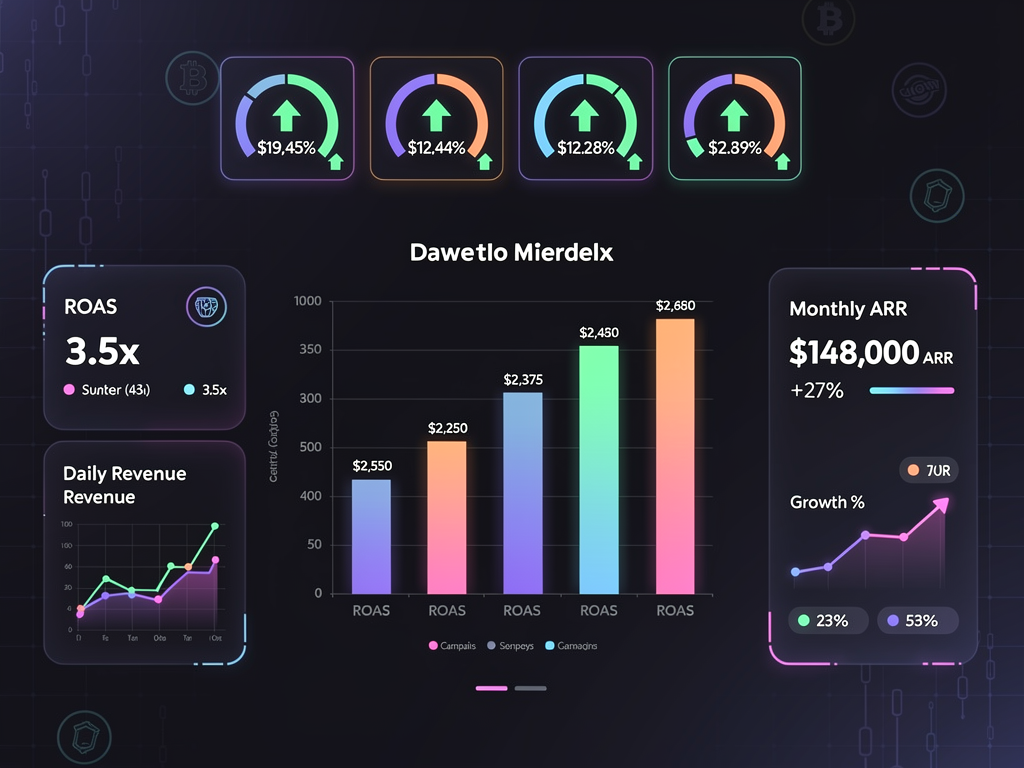
- After: ROAS 4.43, daily revenue $3,806, ad spend $860, margin ~60%.
- Growth: Running image ads only (no videos required), generating nearly $4,000 daily.
The key insight here is that tool combinations matter more than tool count. Three complementary tools used strategically beat ten generic tools used poorly.
Source: Tweet
Case 2: Four AI Agents Replaced a $250,000 Marketing Team
Context: A marketing team was handling content research, social content generation, ad creative analysis, and SEO content creation. Annual salary cost: $250,000. Output was limited by human capacity and vacation schedules.
What they did:
- Built four AI agents using n8n: one for content research, one for viral social generation, one for ad creative stealing/rebuilding, one for SEO content.
- Set all four agents to run 24/7 on autopilot with zero human intervention after initial setup.
- Tested for six months to validate that output quality matched or exceeded human output.
Results:
- Before: $250,000 annual team cost, limited output capacity.
- After: Millions of impressions monthly, tens of thousands in revenue on autopilot, enterprise-scale content production.
- Growth: Handles 90% of marketing workload for less than one employee’s cost; 3.9 million views on a single post.
The takeaway is that automation scales beyond what hiring can achieve. One well-built system now does more than five humans ever could.
Source: Tweet
Case 3: AI Ad Agent Generated Concepts in 47 Seconds vs. Five Weeks
Context: A content team was charging $4,997 per five-concept creative package with a five-week turnaround. The work involved analyzing competitor ads, extracting psychological triggers, and building stop-scroll creatives. Speed and personalization were bottlenecks.
What they did:
- Built an AI agent that ingests product details and analyzes winning competitor ads automatically.
- Mapped 12+ psychological triggers relevant to the product and audience.
- Generated unlimited creative variations with automatic platform-native formatting (Instagram, Facebook, TikTok ready).
- Ranked each creative by predicted psychological impact and conversion potential.
Results:
- Before: $267,000 annual content team cost, five-week turnaround for five concepts.
- After: Concepts generated in 47 seconds, unlimited variations, $4,997 agency-equivalent work in under one minute.
- Growth: 12+ hooks per product, platform-native visuals, behavioral psychology applied at machine speed.
The insight: speed combined with psychological rigor beats experience. A system that understands behavior and applies it consistently outperforms humans working under time pressure.
Source: Tweet
Case 4: New Domain Reached $13,800 ARR in 69 Days With Zero Backlinks
Context: A startup launched a new SaaS product and domain with a DR (domain rating) of 3.5. Traditional SEO advice says backlinks are essential. This team ignored that advice and focused on content strategy instead.
What they did:
- Identified pain-point keywords with clear purchase intent: “X alternative,” “X not working,” “how to remove X,” “how to do X for free.”
- Wrote human-like, conversational content addressing each pain point directly.
- Structured every article with short sentences, clear headers, and direct CTAs (1–3 per page, not ten).
- Built internal links connecting related guides semantically, not randomly.
- Used AI (ChatGPT, Perplexity integration) to research and draft, then manually rewrote for tone and accuracy.
Results:
- Before: New domain with DR 3.5, zero organic traffic.
- After: 21,329 monthly visitors, 2,777 search clicks, $925 MRR, $13,800 ARR, 62 paid users, $3,975 gross volume.
- Growth: Multiple articles ranking #1 or top of page 1, featured in Perplexity and ChatGPT without paid agency work, achieved with zero backlinks.
The takeaway: pain-point content + internal linking + human-like writing beats high-volume keywords + low relevance + backlink chasing. Intent and clarity now matter more than authority signals alone.
Source: Tweet
Case 5: Theme Pages Generated $1.2 Million Monthly From Reposted Content
Context: An operator created niche theme pages using AI video models (Sora, Veo) and reposted high-performing content. No personal brand, no influencer partnerships, just consistent distribution to niches already buying.
What they did:
- Used Sora2 and Veo3.1 to generate AI video content aligned with niche themes.
- Applied a consistent content format: strong scroll-stopping hook → curiosity or value → payoff + product tie-in.
- Posted reposted content to niche audiences that were already primed to buy (no cold outreach needed).
- Let volume and consistency drive revenue, not personal branding.
Results:
- Before: Not specified.
- After: $1.2 million monthly revenue, individual pages generating $100,000+, 120 million+ monthly views.
- Growth: From reposted content to seven-figure monthly business, no dependency on followers or influencers, repeatable system, $300,000 monthly roadmap documented.
The insight: consistency in distribution beats originality in a saturated market. If the niche is ready to buy, reposted content with good hooks converts reliably.
Source: Tweet
Case 6: $10,000+ Marketing Content Generated in 47 Seconds
Context: A marketing team was spending 5–7 days per week on creative generation and copywriting. Manual processes meant slow iteration and high agency costs. The team reverse-engineered a proven creative database into an automated workflow.
What they did:
- Reverse-engineered a $47 million creative database into structured JSON profiles.
- Built an n8n workflow that fed prompt instructions into 6 image models + 3 video models running in parallel simultaneously.
- Automated lighting, composition, brand alignment, and asset delivery using no-code tools.
- Integrated with NotebookLM so generated content automatically referenced winning historical content, not generic internet mediocrity.
Results:
- Before: 5–7 days per project, manual processes, agency costs per concept.
- After: $10,000+ marketing content generated in 47 seconds, ultra-realistic creatives, Veo3-quality videos, fully automated.
- Growth: Massive time arbitrage, repeatable with zero additional time investment per run after setup.
The takeaway: building systems beats hiring people. Three weeks of system design unlocks infinite return on that investment.
Source: Tweet
Case 7: $100,000+ Organic Traffic Value Monthly Using AI SEO Engine
Context: A creator built an automated SEO engine that extracts keywords from Google Trends, scrapes competitor sites, generates ranking content, and publishes at scale.
What they did:
- Extracted high-value keyword goldmines from Google Trends automatically using zero-code tools.
- Scraped competitor sites with 99.5% success rate using Scrapeless nodes (avoiding blocks that plague traditional scrapers).
- Generated page-1 ranking content that outperformed human writers through tested structures and AI iteration.
- Set up the entire system in 30 minutes with minimal technical knowledge.
Results:
- Before: 2 blog posts monthly, manual work, dependency on hired writers.
- After: 200+ publication-ready articles in 3 hours, $100,000+ captured organic traffic value monthly, replaces $10,000/month content team, zero ongoing costs after setup.
- Growth: Page-1 ranking achieved consistently, competitors unable to keep pace.
The insight: automation scales output by 100x while reducing cost to near-zero. The initial investment pays for itself in one month.
Source: Tweet
Case 8: From Zero Followers to 7-Figure Profit Using X + Repurposing + DM Funnel
Context: A creator started with no X audience, no personal brand, and minimal starting capital. Used AI repurposing and automation to build an audience and revenue stream in months.
What they did:
- Created X profile, locked in a niche (could be e-commerce, sales, AI—any saturated niche).
- Studied top influencers in the niche and repurposed their best-performing content using AI.
- Generated hundreds of posts instantly from this research.
- Auto-scheduled 10 posts per day for consistent visibility.
- Built a DM funnel offering an AI-generated ebook ($5 value, 5 ebooks in 30 minutes via AI).
- Drove ebook readers to a checkout page selling a $500 product.
Results:
- Before: Zero audience, zero revenue.
- After: 7 figures profit annually, $10,000 monthly profit from product sales alone.
- Growth: 1 million+ views monthly, 20 buyers per month at $500 each, few hundred checkout views monthly.
The takeaway: consistent repurposing beats original creation for speed to revenue. DM funnels convert better than public calls-to-action.
Source: Tweet
Case 9: $10 Million ARR Achieved Through Multi-Channel Growth Orchestration
Context: An AI creative tool (Arcads) grew from zero to $833,000 MRR ($10 million ARR) in under two years by systematically deploying across multiple growth channels and using product-market fit to amplify each channel.
What they did:
- Pre-launch: Emailed their ideal customer profile with a simple offer: pay $1,000 to test early. Closed 3 out of 4 calls.
- Launch phase: Built the product and posted daily on X showing live demos. Closed sales directly from demos.
- Growth acceleration: A client posted a viral video created with Arcads. The video gained massive reach, saving six months of grind.
- Scale phase: Deployed six growth channels simultaneously: paid ads (using Arcads to create ads for Arcads), direct outreach, events/conferences, influencer partnerships, product launches, and partnerships with complementary tools.
Results:
- Before: $0 MRR.
- After: $833,000 MRR, $10 million ARR.
- Growth: $0 → $10k (1 month), $10k → $30k (public posting on X), $30k → $100k (viral moment), $100k → $833k (multi-channel orchestration).
The insight: product virality can accelerate growth by 6+ months. Multi-channel deployment ensures that one viral moment doesn’t define the entire trajectory—systematic channels sustain momentum.
Source: Tweet
Case 10: 418% Search Traffic Growth + 1000% AI Search Growth Through Content Restructuring
Context: An agency competing against massive competitors and global SaaS firms with multimillion-dollar budgets needed to win visibility. Traditional content and backlink tactics weren’t working. They repositioned their entire content strategy for AI systems and modern commercial intent.
What they did:
- Repositioned all content around commercial intent: “top agencies,” “best services for X,” “services vs. competitors,” “examples that convert.”
- Restructured every article with TL;DR summary, question-based headers, short extractable answers, lists, and factual statements.
- Built authority through DR50+ backlinks from related business domains in their niche, with contextual anchors using business terms.
- Optimized for brand and geography with schema, reviews, team pages, and entity alignment.
- Used internal semantic linking to pass meaning, not just page authority (e.g., “enterprise services” pages linking to “how to scale services” guides).
- Added schema markup, meta descriptions with brand language, and monthly content refreshes.
Results:
- Before: Standard visibility in a crowded niche.
- After: Search traffic +418%, AI search traffic +1000%, massive growth in ranking keywords, AI Overview citations, ChatGPT citations, geographic visibility in target regions.
- Growth: Zero ad spend, all organic. Compounding results that strengthened long after the work was complete. 80% of customers reordered the service.
The takeaway: AI visibility now equals or exceeds Google visibility. Optimizing for AI systems changes the entire content strategy and dramatically shifts results.
Source: Tweet
Tools and Next Steps
Building a famous crypto YouTuber system requires several categories of tools working in concert. Here are the essentials:
Content Generation
- Claude (Anthropic): Best-in-class copywriting and nuanced content refinement. Use for headlines, ad copy, and brand-voice consistency.
- ChatGPT (OpenAI): Fast research and factual gathering. Use as your knowledge engine, not your only writer.
- Midjourney / Higgsfield / Runway: AI image and video generation for platform-native assets. Image models generate 47 seconds, video models generate hours of polish in minutes.
Automation and Workflow
- n8n: No-code workflow builder. Connect AI models, databases, scheduling tools, and publishing platforms into a single automated system.
- Make (formerly Integromat): Alternative to n8n with similar capabilities. Pick one and master it rather than learning both.
- Zapier: Lighter-weight automation for simpler workflows. Good for getting started, but limited for complex multi-model systems.
SEO and Content Optimization
- Ahrefs: Industry standard for keyword research and competitor analysis. Use sparingly—focus on intent, not volume.
- Google Trends: Free, underrated source for identifying emerging keywords and commercial intent.
- Schema Markup Generator: Use schema.org tools or WordPress schema plugins to structure your content for AI extraction.
- Scrapeless (n8n nodes): Reliable competitor scraping with 99.5% success, no blocks. Critical for competitive analysis at scale.
Distribution and Scheduling
- Buffer / Later: Auto-scheduling across YouTube, TikTok, Instagram, X. Consistency beats virality—schedule 10+ posts daily.
- Sendible: Multi-platform scheduling with team collaboration. Use if managing multiple clients or creators.
- ConvertKit / Beehiiv: Email workflow automation tied to content distribution. Essential for DM funnels and nurture sequences.
Analytics and Tracking
- Google Analytics 4: Free baseline for understanding traffic sources and user behavior. Required for optimization.
- Hotjar: Heat maps and session recordings to see how audiences interact with your content and CTAs.
- Amplitude: Advanced analytics for tracking which content drives conversions and revenue, not just clicks.
Your Action Checklist
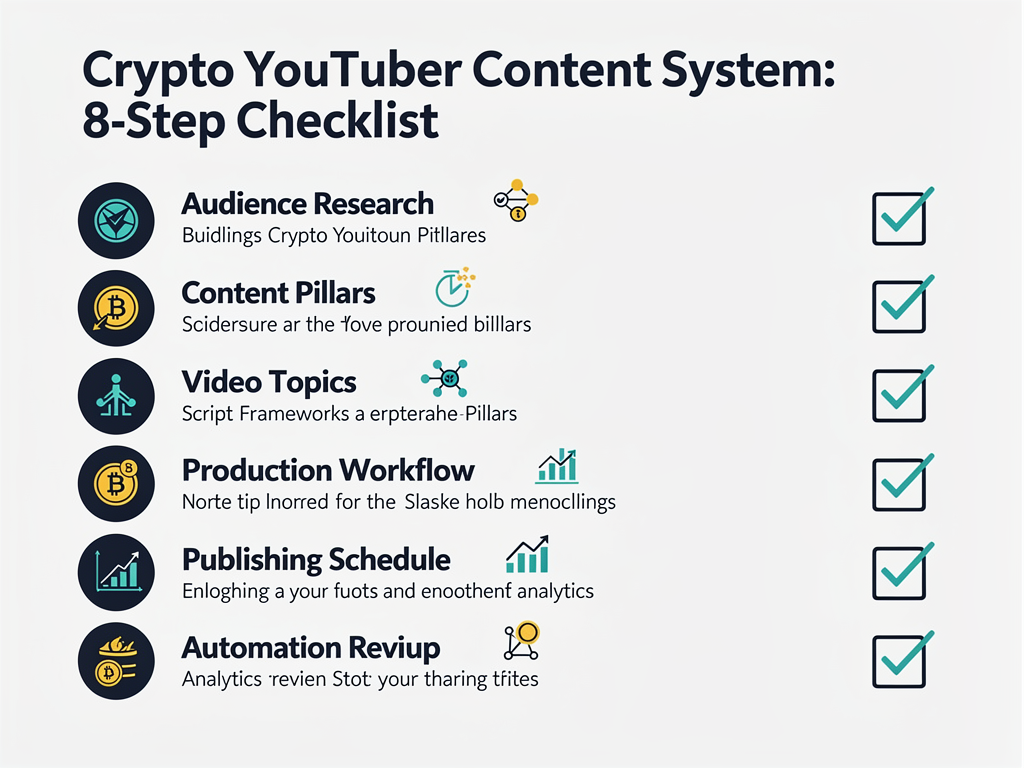
Take these steps immediately to begin building your system:
- [ ] Email your audience or users for feedback: Offer a 20% discount for next month in exchange for input on where they found you, what they disliked about competitors, and what they’d improve. (This uncovers pain-point keywords and content opportunities.)
- [ ] Join Discord/Reddit communities of your competitors: Spend 2–3 hours reading what makes people upset, what features they want, what they’re trying to solve. (This reveals commercial intent keywords and content angles.)
- [ ] Audit competitor blogs for content that converts: Identify which blog posts actually drive customer acquisition, not just vanity metrics. Analyze structure, headers, CTAs. (This shows what works in your niche.)
- [ ] Research 5–10 pain-point keywords related to your product: Focus on “alternative to X,” “how to fix X,” “X not working”—not generic listicles. (These keywords have buyer intent.)
- [ ] Draft one article manually addressing a specific pain point: Write it as if explaining to a friend, then use AI to polish. (This establishes your tone and proves you understand the problem.)
- [ ] Set up internal linking on your site: Every article should link to 3–5 related articles using intent-based anchor text. (This helps Google and AI systems understand your structure.)
- [ ] Publish that article with schema markup and a clear CTA: Test one article first before scaling. (This proves the system before automating.)
- [ ] Set up a simple automation using n8n or Make: Create a workflow that takes a topic input and generates a blog outline, a social post, and a video script. (This is your first taste of what scaling looks like.)
For projects needing professional guidance on scaling crypto creator systems and reaching multiple platforms and audiences efficiently, FLEXE.io specializes in Web3 growth with 7+ years of expertise and connections to 150+ media partners and 500+ key opinion leaders. Get in touch on Telegram: https://t.me/flexe_io_agency.
FAQ: Your Questions Answered
How do famous crypto YouTubers actually make money?
Most no longer rely primarily on ad revenue. Documented cases show that top earners layer multiple streams: affiliate offers (recommending tools or crypto products), product sales (courses, software, trading signals), sponsorships (other crypto projects paying for promotion), and lead generation (capturing emails and nurturing them to a sale). One documented creator earned $20,000 monthly from 5,000 visitors using only affiliate offers, while another built $13,800 ARR from SEO content in 69 days. Ad revenue is a bonus, not the foundation.
Do you need to be famous on YouTube first to build a famous crypto YouTuber audience?
No. Documented cases show that creators can build significant audiences by starting on X (Twitter) and TikTok, then repurposing that content to YouTube. One documented creator went from zero X followers to 1 million+ views monthly by consistently posting repurposed influencer content with AI. Another grew a SaaS to $13,800 ARR in 69 days on a new domain with zero backlinks or personal brand—just targeted pain-point content. Platform doesn’t matter; relevance and consistency do.
How much does it cost to build an AI content system?
Basic setup is under $100/month: Claude ($20), ChatGPT Plus ($20), an image model ($20), n8n or Make automation ($0–$100 depending on complexity), and scheduling tools ($20–$50). One documented case achieved $10,000+ daily revenue with a tool stack costing $150/month. The time investment is 2–4 weeks to build the system, then zero time per output after. Hiring a person to do the same work would cost $5,000–$10,000 monthly.
How long does it take to see results from a crypto content system?
Documented cases show results within 30–90 days. One case reached $13,800 ARR in 69 days with SEO content. Another reached 1 million+ monthly views with consistent daily posting and repurposing in 3–6 months. The timeline depends on choosing the right niche (with existing buyer intent) and not wasting time on vanity metrics. If you’re targeting low-intent keywords or generic topics, results take 6–12 months. If you’re targeting pain-point commercial intent, results often come in 30–60 days.
Is repurposed or AI-generated content considered fraud or low-quality in crypto?
Not if it’s relevant and accurate. Documented creators have built seven-figure businesses repurposing content. The key is: the reposting should add value (better structure, better hook, better CTA, platform optimization), not just copy-paste. Crypto audiences are sophisticated; they value accuracy and clarity over originality. AI-generated content is now indistinguishable from human-written content if the input is good. One documented case showed that 90% AI-generated templates with 10% manual taste-testing outperformed fully human-created content.
What separates a famous crypto YouTuber from someone who just makes videos?
System, consistency, and monetization strategy. Documented cases show that famous creators: (1) post 10+ pieces of content daily, not one weekly; (2) have clear commercial intent and pain-point focus, not vanity topics; (3) layer multiple monetization streams, not just ads; (4) use automation to scale without burnout; (5) optimize for AI systems (Gemini, ChatGPT, Perplexity), not just Google. The difference between one viral video and a sustainable famous crypto YouTuber is a system that survives beyond luck.
Can you use this approach for non-crypto niches?
Yes. The documented cases in this article span e-commerce, SaaS, fitness, finance, and AI—not just crypto. The underlying principles are universal: pain-point content, AI automation, multi-platform distribution, and layered monetization work in any niche where there’s buyer intent. Crypto is just one vertical where these systems have been battle-tested and documented with public numbers.
Conclusion
Famous crypto YouTubers today are not personalities; they are systems operators. The most successful ones have replaced charisma with clarity, luck with consistency, and personal effort with automation. They produce 10–200 pieces of content monthly using AI, distribute across five platforms simultaneously, and monetize through multiple streams—affiliates, products, sponsorships, and lead gen—rather than ad revenue alone.
The barriers that once separated amateurs from pros have collapsed. A single person can now accomplish what a team of five could achieve five years ago. The documented cases in this article prove it: $3,806 daily revenue from image ads, $13,800 ARR in 69 days on a new domain, $1.2 million monthly from reposted content, $10 million ARR from AI creative generation, and dozens more. These aren’t outliers or lucky breaks. They’re repeatable systems.
The game has shifted from talent to systems, from viral moments to consistent distribution, from personal brand to strategic content. If you’re starting today, the advantage is yours: all the tools, frameworks, and documented playbooks exist. The only barrier is execution.
Start with step one from the checklist above. Choose a niche with clear buyer intent. Write one pain-point article manually. Build the email capture and basic CTA. Then automate. Famous crypto YouTubers built their systems one piece at a time. You can too.