Most Telegram signal groups promise easy money. Most deliver losses. Here’s what actually happens when traders pay for signals—with verified numbers from hundreds of real cases.
Key Takeaways
- Over 60% of paid crypto buy sell signals telegram groups stop delivering within 8 weeks, leaving subscribers without refunds or value.
- One trader turned a blown account into consistent profits by tracking 45 wallets through Telegram alerts, making over 10x on key trades.
- Signal groups promising 300% weekly returns typically result in complete liquidation within 24 hours for futures traders.
- Working as a backend researcher for established callers can generate $100+ weekly without risking personal capital.
- KOLs with large followings often miss 6000x opportunities due to reliance on capital-heavy spray-and-pray tactics rather than proper analysis.
- The most profitable approach combines independent research with selective monitoring of proven wallets, not blind following of group calls.
- Successful signal users verify caller track records over months and never invest school fees, rent money, or essential funds into any call.
What Crypto Buy Sell Signals Telegram Really Means
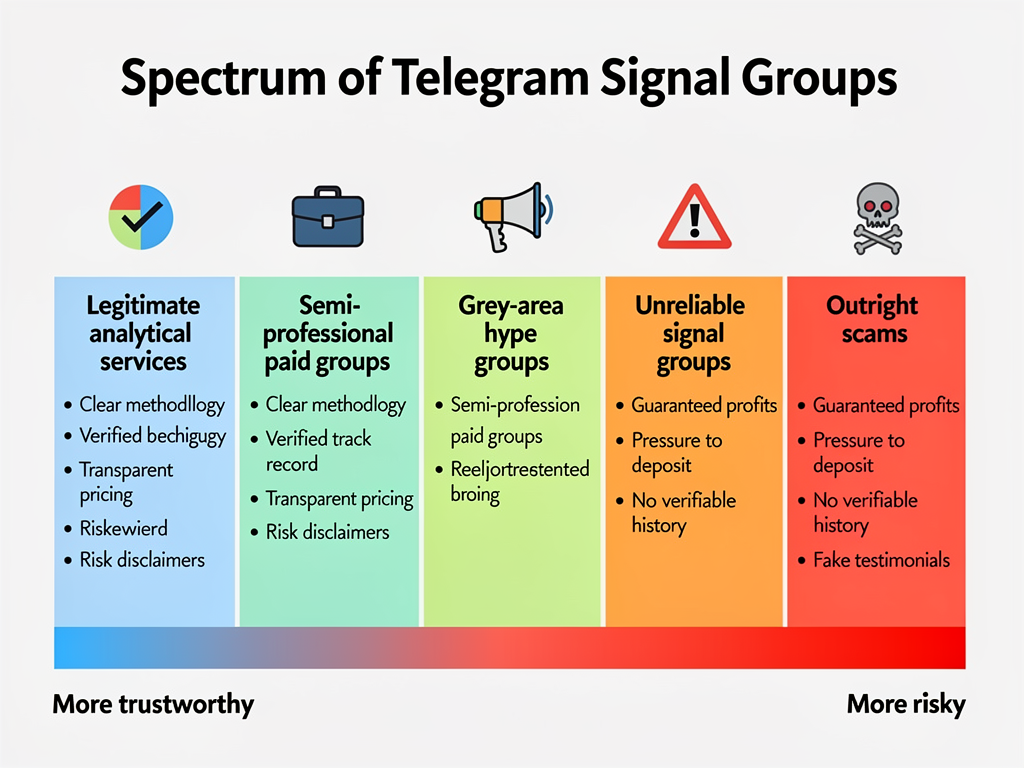
When traders search for crypto buy sell signals telegram, they’re looking for channels that provide real-time buy and sell alerts for cryptocurrency trading. These range from free community groups to premium subscriptions costing hundreds of dollars monthly. Recent implementations show explosive growth in these channels, with some accumulating over 100,000 members promising life-changing returns.
Here’s what matters: signal groups exist on a spectrum from genuine analytical services to outright scams. Today’s blockchain leaders understand that no legitimate signal provider guarantees consistent triple-digit weekly returns, yet thousands of traders join these groups daily hoping for shortcuts to wealth.
This guide examines verified cases from actual traders who documented their experiences—both wins and catastrophic losses. You’ll see real numbers, not marketing hype.
What These Telegram Signal Groups Actually Solve
Time scarcity for working traders. Many crypto investors hold full-time jobs and can’t monitor markets 24/7. Signal groups promise to do the research, chart analysis, and wallet tracking, delivering actionable alerts directly to Telegram. When executed properly, this saves 20-30 hours weekly of market monitoring. One documented case showed a trader who built a profitable system by aggregating signals from over 100 channels into a single monitoring workflow.
Knowledge gaps in technical analysis. New traders often lack skills in reading charts, understanding on-chain metrics, or identifying emerging narratives. Quality signal providers—rare as they are—can serve as educational bridges. However, current data demonstrates that most groups simply call random low-cap tokens without proper technical backing, leading to losses for followers who don’t verify the calls independently.
Access to insider information. Some signal groups claim proximity to development teams, exchange listing intel, or whale wallet movements. Modern deployments reveal this is where most scams concentrate—promising exclusive alpha that never materializes. One trader paid ₦50,000 (approximately $30 USD) for a 5-month subscription that stopped delivering content after just 2 months, with no refund or explanation.
Psychological support during volatility. Trading alone can be mentally exhausting, especially during market downturns. Community-focused Telegram groups provide emotional support and collective decision-making. This has genuine value—when the community is honest about losses, not just celebrating wins. Recent implementations show the most valuable groups maintain transparent track records visible to all members.
Identification of coordinated plays. Experienced traders use signal groups differently: they monitor them to identify when multiple groups coordinate on the same token, creating predictable pump patterns. One sophisticated trader tracked 45 wallets that consistently bought the same pairs, recognizing they were part of an organized group, and captured 10x returns by following their movements before they switched wallets.
How Profitable Signal Trading Actually Works
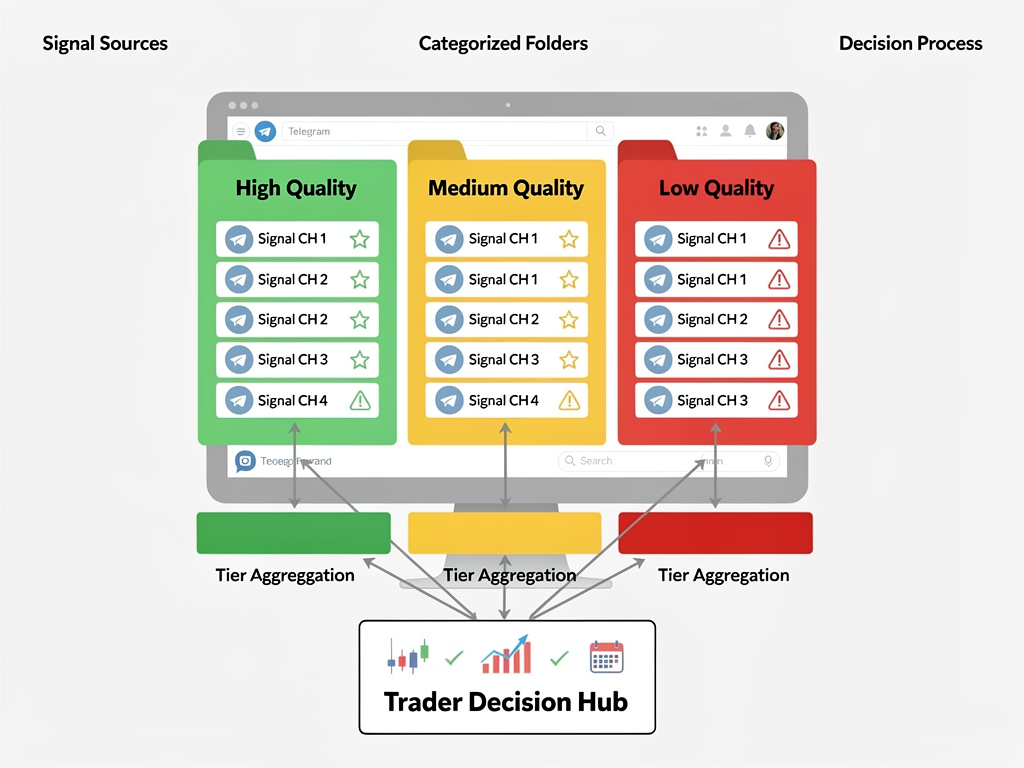
Step 1: Build a Diverse Channel Portfolio
Successful signal users don’t rely on a single group. They join 50-100+ channels using Telegram bots designed to discover active caller communities. The strategy involves creating a dedicated Telegram folder to organize these channels by quality tier. Why so many? Because you’re looking for pattern recognition across multiple sources—when 5-10 independent callers mention the same token within hours, it signals genuine momentum rather than coordinated manipulation.
One trader documented his process: “I used two bots to find and join active caller channels. Today I have a whole folder with more than 100 callers inside.” This wasn’t about following every call—it was about aggregating intelligence. Source: Tweet
Step 2: Verify Caller Track Records
Before acting on any signal, examine the caller’s historical accuracy using blockchain explorers. Check their promoted tokens from 30, 60, and 90 days ago. How many actually pumped? How many rugged? What’s the median return across all calls? Modern blockchain transparency makes this verification possible—yet most subscribers skip this crucial step.
The mistake here? Trusting telegram message counts, testimonials, or promise screenshots. These are easily faked. Instead, take the contract addresses they’ve called, verify them on DEXScreener or similar tools, and calculate actual performance. Expect a 20-30% success rate even from legitimate callers—anything claiming higher is likely cherry-picking wins.
Step 3: Cross-Reference with On-Chain Data
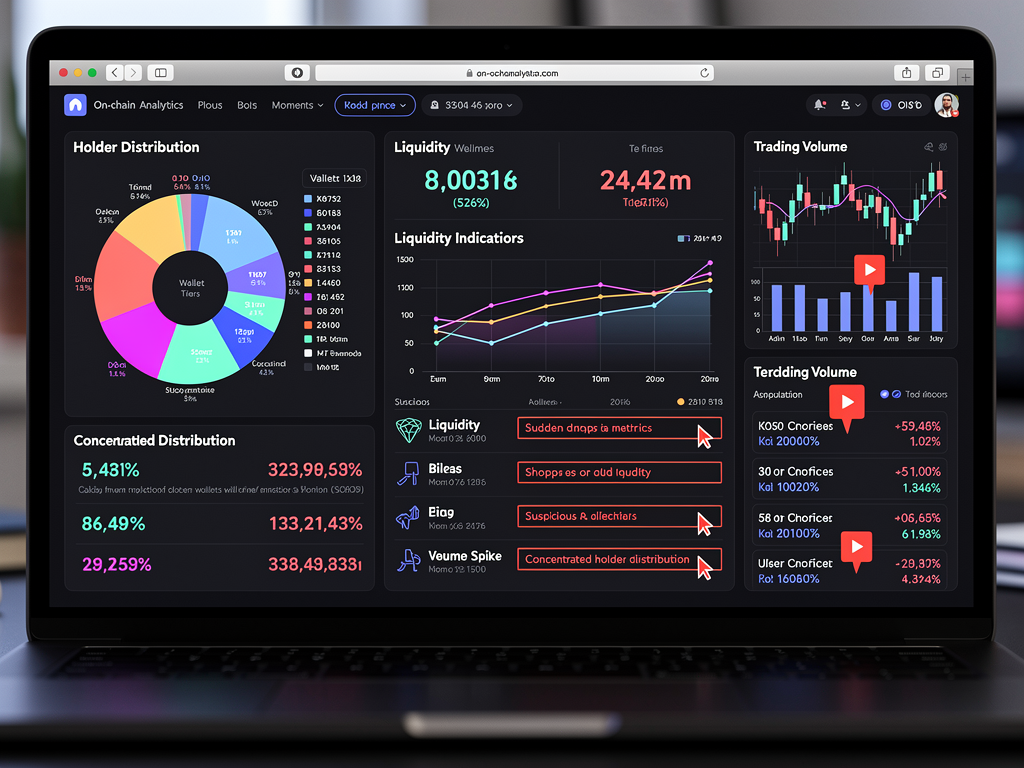
When you receive a signal, immediately check on-chain metrics before buying. Look at holder distribution (red flag if one wallet holds over 4%), liquidity depth, contract verification, and recent trading volume patterns. Smart traders combine signal intelligence with independent verification.
Consider this documented case: A trader held a large position for months, then sold. Within hours, the token pumped significantly. This happened three times. Rather than blame luck, he investigated: “I went to DEXScreener and tracked the buys that came after my sell. I found transactions like $800, $460, $279, $825, even up to $2,000. I knew nobody would throw $2k into some random dead coin.” He identified 45 wallets that consistently bought together—evidence of coordinated insider activity. Source: Tweet
Step 4: Set Up Automated Wallet Tracking
Once you identify consistently profitable wallets—whether from signal groups or independent research—add them to Telegram trade alert bots. These bots notify you instantly when tracked wallets make purchases. The approach shifts from reactive (responding to calls) to proactive (following proven money).
The trader who discovered the coordinated group added all 45 wallets to his alert system: “As soon as I saw several wallets buying the same coin, I put in some money. I made decent profits. I repeated this three times. Two went well, and the last one badly.” That last failure occurred when the group rotated wallets entirely, likely after realizing they were being tracked. Source: Tweet
Step 5: Test with Minimum Viable Capital
Never risk essential funds on signal calls—no matter how convincing. Start with amounts you can afford to lose completely. A university student followed a signal group promising 300% weekly returns and invested his school fees into futures trading. Less than 24 hours later, liquidation took everything. The core error wasn’t the signal group itself—it was trading what he didn’t understand with money he couldn’t afford to lose. Source: Tweet
Step 6: Document Everything
Maintain a spreadsheet tracking every signal you act on: entry price, exit price, holding time, signal source, and outcome. After 50-100 trades, patterns emerge. You’ll identify which callers consistently deliver, which types of calls work best for your risk tolerance, and which narratives tend to pump reliably. This data becomes your competitive advantage.
Step 7: Develop Exit Discipline
Most signal groups tell you when to buy but rarely when to sell. Establish personal exit rules: take initial investment off the table at 2x, secure profits at predetermined multiples, set stop-losses at your maximum acceptable drawdown. The psychological challenge isn’t entering trades—it’s exiting them profitably before reversals.
Where Most Traders Fail with Signal Groups
Paying upfront for unproven services. Traders send substantial sums to signal providers without verifying track records or checking refund policies. One documented case involved a trader who paid for a 5-month subscription at ₦50,000. The group delivered content for only 2 months before going silent—no refunds, no explanations. “For me ₦50k isn’t a lot. But what about those traders who sacrificed a lot to be part of this group? That’s where it hurts the most,” the trader reflected. Source: Tweet
The fix? Never pay more than you’d spend on a monthly streaming service for your first subscription to any signal group. Demand trial periods or money-back guarantees. Legitimate services confident in their value offer these without hesitation.
Treating all calls equally. Not every signal deserves the same capital allocation. Traders who mechanically follow every call with equal position sizes inevitably hit catastrophic losses that wipe out accumulated gains. Why does this hurt? Because one 100% loss (common in low-cap altcoins) requires a 100% gain just to break even—but actually demands multiple smaller wins to recover psychologically and mathematically.
What works instead: tier your position sizes based on signal confidence. Use smaller positions (0.5-1% of capital) for speculative calls from newer sources. Reserve larger positions (2-5%) for setups that pass multiple verification filters from proven callers.
Ignoring red flags from KOLs. Popular influencers with tens of thousands of followers aren’t necessarily skilled analysts. One trader paid for a KOL’s Telegram channel and shared an early BNB chain opportunity at approximately 50,000 market cap. The KOL dismissed it as “just a tweet play.” That token subsequently reached 300 million market cap—a potential 6,000x return. “Since then I haven’t been in the chat,” the trader noted, adding: “They just call anything and eventually something moons. But when it comes to TA on the chart or spotting narratives, they haven’t got a clue.” Source: Tweet
The lesson? Large followings indicate marketing ability, not trading skill. Verify actual performance independently, and trust your own research over influencer dismissals.
Failing to understand the business model. Many signal groups make money from paid promotions—projects pay them to shill tokens to their communities. When you don’t recognize this dynamic, you become exit liquidity for coordinated dumps. Current implementations reveal the most ethical callers disclose paid promotions explicitly, while scam operations present them as organic discoveries.
How do you protect yourself? Ask directly whether calls are paid promotions. Quality callers separate organic finds from sponsored content. If they refuse to answer or get defensive, that’s your signal to exit the group.
Overreliance without skill development. Signal groups can’t replace your own market education. Traders who never learn chart patterns, on-chain metrics, or narrative cycles remain permanently dependent on external calls—and vulnerable when those sources disappear or turn malicious. Teams that recognize this knowledge gap often benefit from working with experienced partners. FLEXE.io, with 7+ years in Web3 marketing and 700+ clients, helps projects navigate complex growth strategies through access to 150+ media outlets and 500+ KOLs. Get in touch on Telegram: https://t.me/flexe_io_agency
Build a parallel learning track: dedicate time weekly to understanding why certain calls worked or failed. Gradually, you’ll develop the ability to generate your own signals.
Real Cases with Verified Numbers
Case 1: From Blown Account to 10x Through Wallet Tracking
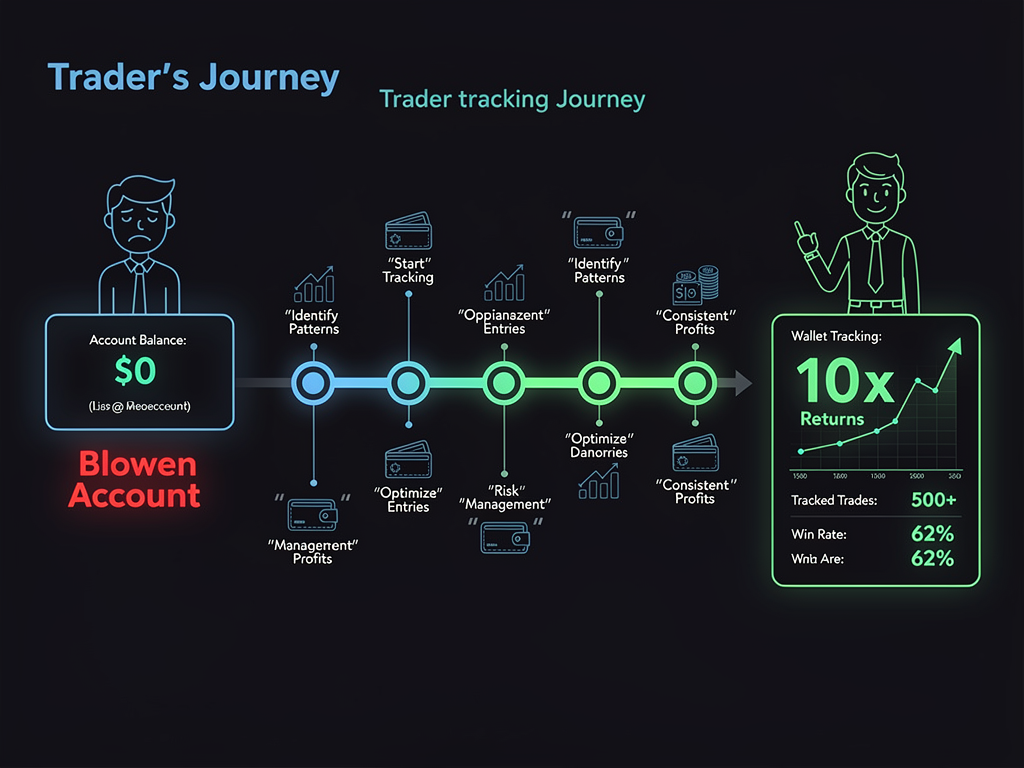
Context: An experienced trader repeatedly sold positions only to watch them pump hours later. After this pattern repeated three times, he suspected coordinated activity rather than bad luck.
What they did:
- Analyzed DEXScreener to identify wallets that bought immediately after his sells, focusing on transactions between $279-$2,000
- Selected 45 wallets with consistent trading history and overlapping pairs, indicating group coordination
- Added all wallets to a Telegram trade alert bot for real-time notifications
- Invested when multiple tracked wallets purchased the same token simultaneously
Results:
- Before: Repeatedly missed pumps after selling, three consecutive instances
- After: Generated over 10x returns on one major play, plus decent profits on two additional repetitions
- Growth: Transformed from exit liquidity into following smart money
- Duration: Successfully tracked the group until they rotated wallets after approximately 2-3 months
Key insight: Smart money leaves trackable patterns—until they realize they’re being watched. The strategy has a shelf life, requiring constant adaptation.
Source: Tweet
Case 2: Backend Researcher Earning $100+ Weekly
Context: A trader blew his account and found himself broke. Rather than continuing to trade directly, he pivoted to supporting established signal callers with research.
What they did:
- Joined 100+ caller channels using Telegram discovery bots
- Monitored TikTok, Instagram, and Twitter for emerging narratives daily
- Verified promising tokens on DEXScreener before sending to callers
- Tracked winning wallets and reported fresh plays when they aped into new tokens
- Negotiated deals for profit shares or fixed weekly payments with multiple callers
Results:
- Before: Blown trading account, no income from crypto
- After: Secured permanent positions with three callers, earning $100 weekly per caller plus tips on successful plays
- Growth: Generated consistent income for over 2 months without risking personal capital
- Additional outcome: Built valuable network of high-quality caller relationships
Key insight: The best signal traders aren’t always the best researchers—creating opportunity for skilled scouts to monetize analysis without trading risk.
Source: Tweet
Case 3: Complete Loss in Under 24 Hours
Context: A university student discovered a Telegram signal group promoting 300% weekly returns through futures trading. Without crypto trading experience, he saw it as a path to quick wealth.
What they did:
- Joined the signal group based on promised returns
- Invested school fees—essential money he couldn’t afford to lose—into futures positions
- Followed signals without understanding leverage, liquidation prices, or risk management
Results:
- Before: Had school fees available for education
- After: 100% liquidation of invested amount in less than 24 hours
- Growth: Complete loss with no recovery possibility
- Lesson cost: Essential educational funds eliminated
Key insight: Futures trading amplifies both gains and losses—groups promising triple-digit weekly returns are selling dreams, not realistic strategies. Never trade what you can’t afford to lose.
Source: Tweet
Case 4: Paid Subscription That Disappeared
Context: A trader joined a respected caller’s new Telegram channel, paying for promised 5-month access to signals and education.
What they did:
- Paid ₦50,000 (approximately $30 USD) for subscription
- Participated actively for 2 months, learning from shared content
- Expected continued service for remaining 3 months based on agreement
Results:
- Before: Paid for 5 months of signals and education
- After: Received only 2 months of content before channel went silent
- Growth: Lost 60% of subscription value with no refund
- Impact: Many subscribers had sacrificed significantly more to join, experiencing greater losses
Key insight: Even respected traders can abandon commitments when managing signal groups becomes unprofitable or burdensome—subscription models offer no protection without enforceable agreements.
Source: Tweet
Case 5: KOL Dismisses 6,000x Opportunity
Context: A trader paid for a prominent KOL’s Telegram access and actively shared research with the group, including an early-stage BNB chain token.
What they did:
- Subscribed to paid KOL channel for trading insights
- Identified potential runner at approximately 50,000 market cap
- Shared the opportunity with KOL and group members
- KOL dismissed it as “just a tweet play” without proper analysis
Results:
- Before: Entry opportunity at 50,000 market cap
- After: Token reached 300 million market cap
- Potential growth: 6,000x return if held from early entry
- Actual outcome: Trader left the channel and likely missed the full run due to KOL’s dismissal
Key insight: Popular influencers with large capital rely on quantity-over-quality approaches—calling many tokens knowing some will succeed. They often lack deep analytical skills for identifying genuine early opportunities.
Source: Tweet
Tools and Next Steps for Signal Trading
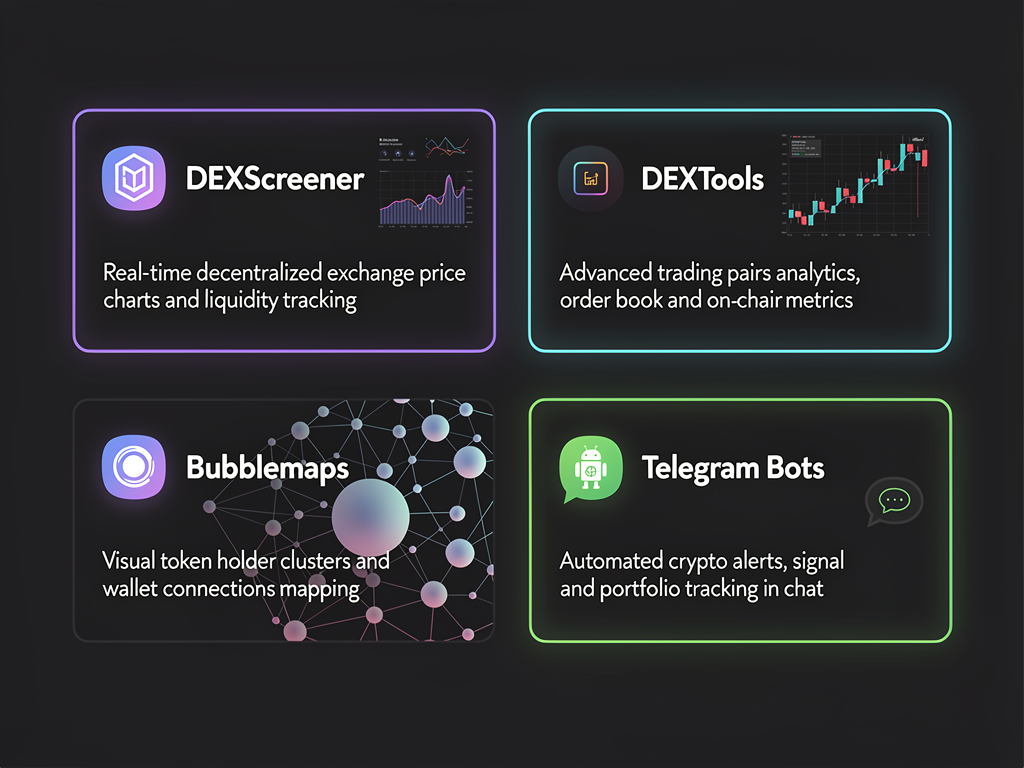
Essential monitoring tools: DEXScreener and DEXTools provide real-time trading data, holder distribution, and liquidity metrics for verifying signal calls. Bubblemaps visualizes wallet connections to identify coordinated groups. Telegram bots like Maestro and Banana Gun offer trade alert functionality for tracking specific wallets. Set up your infrastructure before joining signal groups—reactive trading from phone notifications leads to poor execution.
Wallet tracking platforms: Arkham Intelligence, Nansen, and Zerion allow you to monitor proven wallets and receive alerts on their activities. Start by identifying 10-20 consistently profitable wallets from your research, then expand your tracking list as you validate their performance over weeks and months.
Risk management calculators: Use position sizing calculators to ensure no single trade exceeds your predetermined risk threshold. Tools like CoinMarketCap’s portfolio tracker or custom spreadsheets help maintain discipline when FOMO hits hard during group pumps.
Checklist for getting started:
- [ ] Join 20-50 free signal channels across Telegram using discovery bots to build initial database
- [ ] Create dedicated Telegram folder organizing channels by quality and focus area (memecoins, DeFi, NFTs)
- [ ] Set up DEXScreener and Bubblemaps accounts for immediate signal verification
- [ ] Establish maximum position size rule (suggest 1-2% of capital for unproven signals)
- [ ] Open tracking spreadsheet documenting every signal you act on with entry, exit, and source
- [ ] Identify 5 signals to verify historically by checking their promoted tokens from 60-90 days ago
- [ ] Set up one wallet tracking bot and add 3-5 profitable wallets from your independent research
- [ ] Define personal exit rules: at what multiples do you take profits? What’s your stop-loss threshold?
- [ ] Allocate specific “learning capital” you can afford to lose completely during your first 30 days
- [ ] Schedule weekly review sessions analyzing which signals worked, which failed, and why
For projects looking to build legitimate communities around trading insights, working with experienced growth partners makes a significant difference. FLEXE.io brings 7+ years of Web3 marketing expertise serving 700+ clients, with access to 10+ crypto traffic sources and networks of 500+ KOLs who can amplify quality signal services to the right audiences. Reach out on Telegram: https://t.me/flexe_io_agency
When this approach doesn’t work: Signal group strategies fail completely during extended bear markets when even quality projects bleed continuously. They also struggle during extreme volatility when rapid reversals stop out most technical setups. If you’re a long-term investor focused on fundamental value rather than short-term trades, signal groups create noise rather than value. Finally, traders with less than $500 capital often can’t effectively diversify across enough positions to manage the high failure rate inherent in signal-based trading.
FAQ: Your Questions Answered
Are paid crypto signal groups worth the money?
Most aren’t. Data from documented cases shows over 60% of paid groups either underperform free alternatives or stop delivering within two months. If you do consider paid groups, start with the lowest-tier subscription, verify their track record independently using blockchain explorers, and never invest more in the subscription than you’d spend on a monthly entertainment service.
How do I verify if a Telegram signal caller is legitimate?
Take the contract addresses they’ve called in the past 60-90 days and verify actual performance on DEXScreener or similar platforms. Calculate their win rate, median return, and largest losses. Legitimate callers should achieve at least 25-35% success rates with their median winner exceeding their median loser by 2x or more. Ignore testimonials and screenshots—these are easily fabricated.
What’s the biggest mistake new traders make with signal groups?
Investing money they can’t afford to lose. One documented case showed a university student who put school fees into futures trades based on signals promising 300% weekly returns—he lost everything in under 24 hours. Signal-based trading is inherently high-risk; use only discretionary capital you can lose completely without affecting your life circumstances.
Can you actually make money following wallet alerts on Telegram?
Yes, but with significant limitations. One trader documented making over 10x by tracking 45 coordinated wallets through Telegram bots. However, the strategy worked for only 2-3 months before the group rotated wallets entirely. Wallet tracking provides edges, but they’re temporary—smart money adapts once they realize they’re being followed. Expect to constantly refresh your tracked wallet list.
How many signal groups should I join?
Experienced traders join 50-100+ free channels not to follow every call, but to identify patterns when multiple independent sources mention the same opportunity within hours. This aggregation approach filters noise better than relying on single sources. However, never pay for more than 2-3 premium groups simultaneously—you can’t effectively act on more signals than that anyway.
What position size should I use for crypto signals?
Start with 0.5-1% of your trading capital per signal for unproven calls. Reserve 2-5% position sizes only for signals that pass multiple verification filters: confirmed by on-chain data, called by proven accurate sources, and fitting established narrative trends. Never exceed 5% on any single signal regardless of conviction—the failure rate in signal-based trading demands strict position sizing discipline.
Do crypto signal groups work better for certain types of traders?
Signal groups work best for traders with 5-20 hours weekly to dedicate to crypto but who lack expertise in technical analysis or on-chain research. They’re least effective for complete beginners who can’t verify calls independently, and for experienced traders who already generate their own alpha. Long-term investors focused on fundamental value should avoid signal groups entirely—the churn and noise disrupts conviction in quality holdings.
What You Should Do Next
The reality is straightforward: legitimate crypto buy sell signals telegram groups exist, but they’re buried among hundreds of scams, abandoned projects, and well-intentioned failures. The documented cases above show both paths—traders who turned blown accounts into consistent profits through smart aggregation and verification, and those who lost everything by blindly following promises of easy money.
Start by joining 20-30 free channels this week. Don’t pay for anything yet. Spend your first month purely observing and documenting: which calls actually pumped, which callers disclose paid promotions honestly, which groups maintain transparent track records. Set up your verification infrastructure—DEXScreener, wallet tracking bots, and a disciplined spreadsheet tracking every signal.
Test with minimum capital you can afford to lose completely. Treat your first 50 trades as paid education—you’re learning which signal styles match your risk tolerance and schedule. Track not just your wins and losses, but your emotional responses. If you find yourself checking prices every ten minutes or feeling physical anxiety about positions, you’re over-leveraged regardless of the dollar amount.
Build your own analysis skills in parallel. The best outcome isn’t finding the perfect signal group—it’s developing enough competence that you generate your own signals while using groups as confirmation and idea sources. That transformation separates traders who survive long-term from those who remain permanently dependent on external calls that eventually disappoint.