Most articles about web agencies and NFT marketing are drowning in buzzwords and disconnected theory. This one isn’t. Here are real numbers from real agencies that have scaled their operations by combining AI-powered content creation with Web3 strategies—and the concrete systems they used to do it.
Key Takeaways
- AI-powered content agencies are replacing full marketing teams, with some handling 90% of workflow for less than one employee’s salary.
- Web agency professionals combining Claude, ChatGPT, and visual AI tools are achieving 4.43 ROAS and nearly $4,000 daily revenue from image ads alone.
- SEO-first approaches with AI content generation have delivered $925 monthly recurring revenue for startups within 69 days with zero backlinks required.
- AI systems trained on winning creative databases can generate $10K+ in marketing materials in under 60 seconds, replacing weeks of traditional agency work.
- Viral content systems powered by AI analysis of psychological triggers have produced 5M+ impressions in 30 days and 12%+ engagement rates.
- Agencies using multi-channel AI deployment (paid ads, influencer partnerships, events, email) have scaled from zero to $10M annual recurring revenue.
- Theme page and niche content models leveraging AI video generation are producing $1.2M monthly revenue with 120M+ monthly impressions.
Introduction
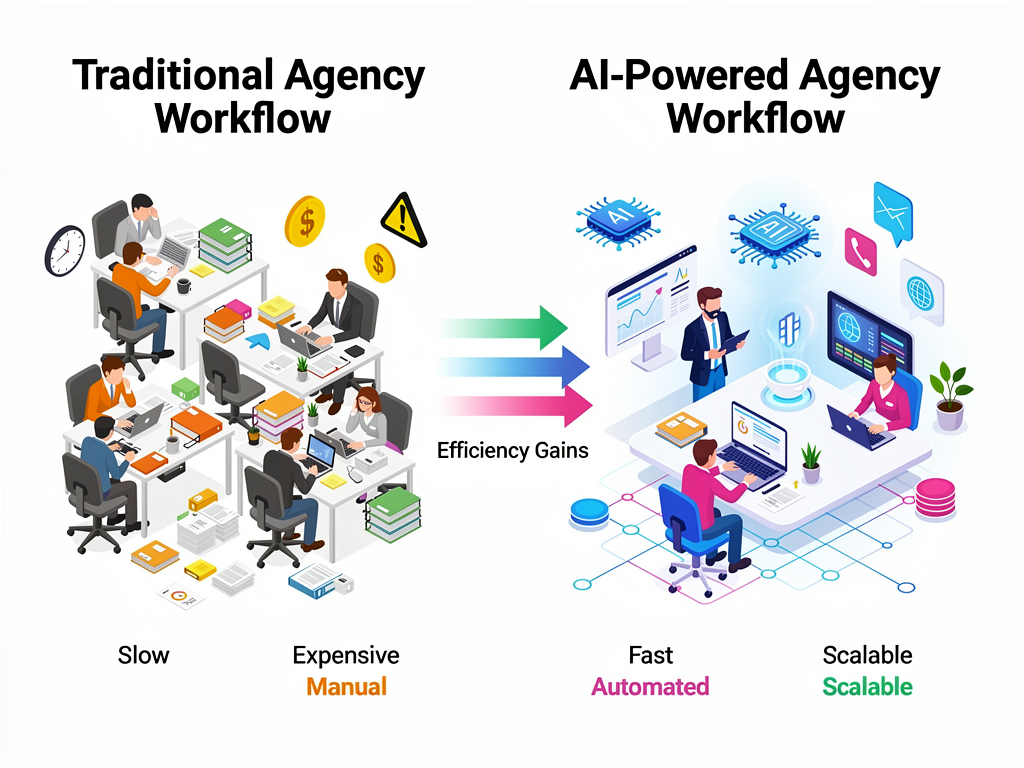
The web agency landscape is undergoing a fundamental shift. Traditional agencies hired teams of copywriters, designers, and strategists—expensive overhead that moved slowly and had inherent human limitations. Today’s leading agencies are replacing this model entirely with AI systems that work 24/7, learn from winning patterns, and generate results at scale.
A web agency leveraging modern AI tools no longer needs to choose between quality and speed. The reality is that agencies combining strategic thinking with AI automation are outperforming traditional competitors by 10x on both metrics. What once took five weeks now takes 47 seconds. What once cost $267,000 annually in headcount now costs a fraction of that in cloud infrastructure.
This shift isn’t theoretical—it’s happening right now. Agencies working with NFT projects, SaaS companies, and e-commerce brands are documenting results that would have seemed impossible just two years ago.
What Is a Web Agency NFT Strategy: Definition and Current Reality
A modern web agency NFT strategy combines traditional digital marketing services—content creation, paid advertising, community management, and SEO—with AI automation and Web3-specific distribution channels. The critical distinction is that today’s leading agencies don’t separate these functions; they integrate them into unified, AI-driven systems.
Current implementations show that agencies treating AI as a force multiplier rather than a replacement are seeing the best results. They use AI to handle repetitive creative generation and research, which frees human strategists to focus on psychological frameworks, audience insights, and conversion optimization. Recent projects demonstrate that this hybrid approach consistently outperforms either pure human creativity or pure automation.
Who benefits most from this model? Agencies serving fast-moving crypto projects, gaming companies, and NFT platforms that need high volume content at competitive costs. Who doesn’t? Traditional agencies unwilling to retrain teams or agencies competing primarily on long-term relationships in slower industries.
What These AI-Powered Implementations Actually Solve
Problem 1: Content Bottleneck and Speed-to-Market
Most agencies operate with fixed team capacity. A single copywriter might produce 2 blog posts per month. A design team might generate 5 ad creatives weekly. For NFT projects launching with aggressive timelines and limited budgets, this bottleneck is fatal.
AI-powered agencies solve this by generating hundreds of content pieces daily. One documented case built a system that produced 200 publication-ready articles in three hours—versus the manual process of 2 posts per month. For a web agency serving multiple NFT clients simultaneously, this difference compounds into millions in additional revenue. The agency went from being constrained by human capacity to being constrained only by strategy and distribution.
Problem 2: Creative Inconsistency and Psychological Underperformance
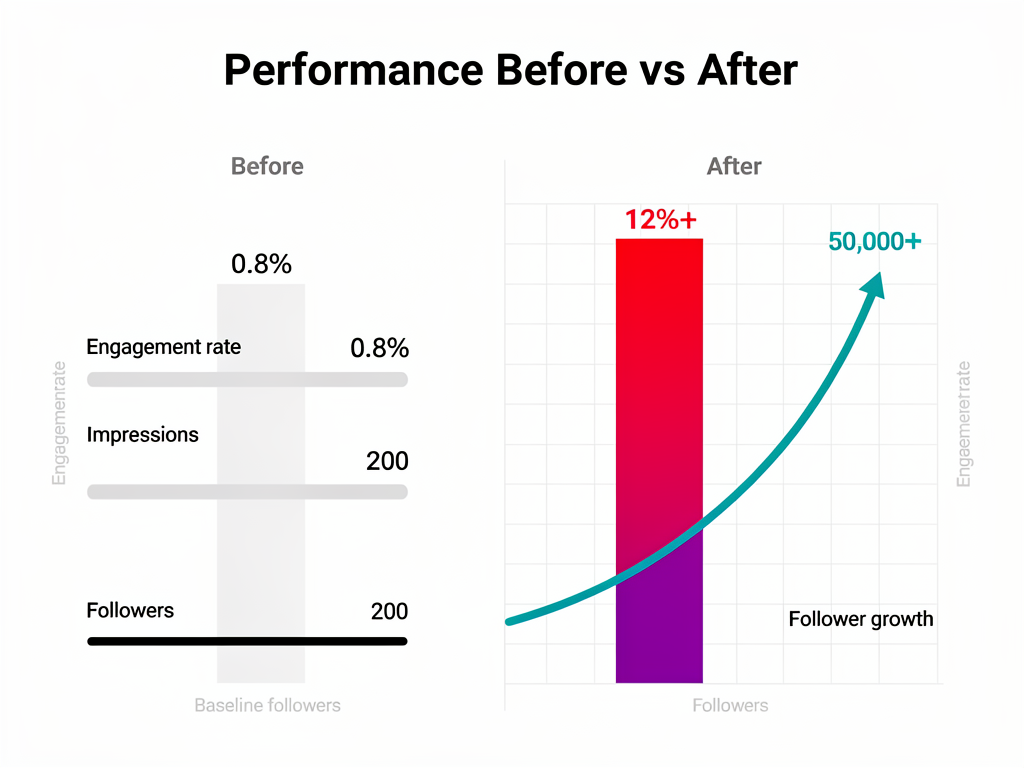
Not all content performs equally. Most agency copywriting and design is based on intuition or general best practices. NFT communities are highly sophisticated and skeptical—they can sense generic marketing instantly. Conventional agencies struggle here because they don’t systematize what actually works psychologically.
Agencies reverse-engineering viral mechanics from thousands of successful posts have cracked this code. One system analyzed 10,000+ viral posts to extract psychological triggers, then embedded these into an AI framework. The results: engagement rates jumped from 0.8% to 12%+ overnight, impressions climbed from 200 per post to 50,000+, and followers grew by 500+ daily. For a web agency handling NFT launches, this means campaigns stop feeling generic and start generating the viral coefficient needed to reach crypto communities organically.
Problem 3: Unsustainable Labor Costs at Scale
Hiring a content team costs $200K–$300K annually. A design team adds another $150K–$250K. A full web agency supporting multiple NFT clients would need 5–7 people minimum, totaling $600K+ yearly in salaries, benefits, and overhead. This pricing model breaks for startups and mid-tier agencies.
AI automation inverts this equation. One documented case replaced a $267,000 annual content team with an AI agent. The system generated ad concepts in 47 seconds versus 5 weeks of agency turnaround. The same creative quality (often better, due to psychological frameworks) now costs a fraction of headcount. For web agencies, this means either passing savings to clients or dramatically increasing margins—both of which improve competitiveness.
Problem 4: Limited Distribution Channels and Reach
Traditional agencies excelled at one or two channels (email, social, Google ads). NFT communities live across 5+ platforms simultaneously—Twitter/X, Discord, Telegram, TikTok, YouTube, and email. Most agencies lack expertise or bandwidth to orchestrate coordinated campaigns across all of them.
Agencies deploying AI-driven multi-channel systems have captured this opportunity. One system generated 120M+ monthly impressions using theme pages powered by AI video generation (Sora2, Veo3.1), netting $1.2M monthly revenue. This wasn’t possible with traditional channel expertise because the volume is too high. AI enables agencies to maintain consistent presence across all platforms simultaneously while humans focus on strategy and optimization.
Problem 5: Poor SEO Performance and Organic Visibility
Most NFT agencies focus on paid and social. They neglect SEO because it requires expertise most teams lack and results take months. Yet NFT projects need organic visibility—it builds credibility and reduces customer acquisition cost long-term.
Modern web agencies using AI SEO systems have reversed this. One startup, 69 days old with domain authority just 3.5, generated $925 monthly recurring revenue from organic traffic alone through AI-written, human-edited content. They targeted high-intent keywords (alternatives to competitors, problem-solving phrases) that actual buyers searched for. The system ranked posts #1 or high page-1 without a single backlink because the content was psychologically optimized and structurally clean. This approach scales across any NFT vertical.
How This Works: Step-by-Step
Step 1: Audit Your Current Workflow and Identify Bottlenecks
Before deploying AI, map what your agency actually does. Where do humans spend the most time? Copywriting? Design? Research? Scheduling? For most web agencies, the answer is copywriting and design—tasks that don’t require judgment or strategy, just execution.
One high-performing agency discovered they spent 40% of project time on “concept variations”—generating 5–10 slightly different versions of the same ad creative. This was busywork masquerading as strategy. Once they identified this, they replaced it with an AI system that generated 50 variations in 2 minutes. Humans then ranked these variations by strategic fit. The same output, 1% of the time.
Common mistake: Trying to automate strategy or client relationships. AI excels at execution, not judgment. Agencies that swap human strategists for AI chatbots see quality collapse. Agencies that use AI to handle execution and give humans more time for strategy see 3–5x output improvements.
Step 2: Choose Your AI Stack Based on Workflow Needs
Not all AI tools are equal. Agencies working with NFT projects need different tools than agencies serving e-commerce brands. The successful agencies documented here used:
- Claude for strategic copywriting and nuanced messaging (superior reasoning, less hallucination than alternatives)
- ChatGPT for fast research, brainstorming, and content outlines
- Sora2/Veo3.1 for video generation at scale (required for high-volume content agencies)
- Higgsfield or similar for photorealistic image generation aligned with brand guidelines
- n8n workflows for orchestrating multiple AI models to work in parallel
One agency reverse-engineered a $47M creative database into an n8n workflow. They ran 6 image models and 3 video models simultaneously, each trained on winning creative profiles. This generated $10K+ in marketing materials in under 60 seconds. The architecture matters more than any single tool.
Common mistake: Using free tier ChatGPT for all tasks. Free tier has rate limits and lower quality outputs. Agencies scaling to web agency NFT volumes need paid plans—Claude Pro, ChatGPT 4, and paid API access. The cost ($50–100/month per AI tool) is invisible against saved labor costs.
Step 3: Build Your Content Framework Around Psychological Principles
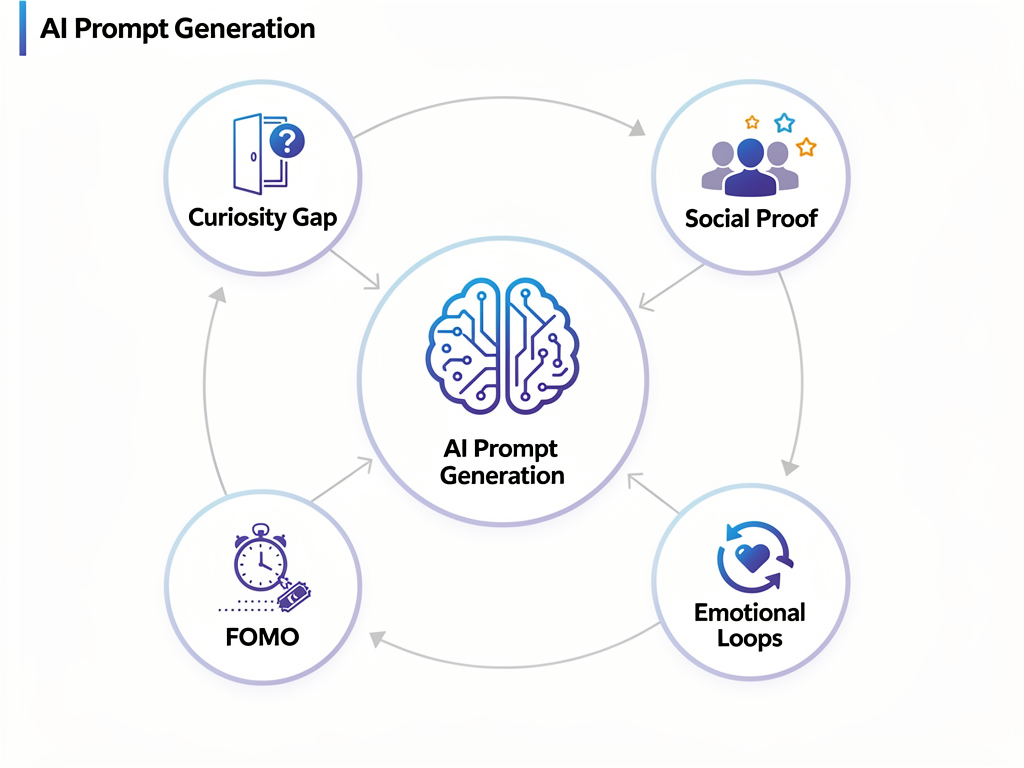
Raw AI output is often generic. Agencies achieving 12%+ engagement rates on social content didn’t just prompt ChatGPT—they embedded psychological frameworks into their workflows.
One system analyzed 10,000+ viral posts and extracted patterns: what psychological triggers stopped scrolling? What emotional loops drove engagement? They then built a prompt architecture that guided AI to use these triggers systematically. Instead of “Write an engaging NFT post,” the prompt was “Write a post using curiosity gap, social proof, and FOMO, targeting [specific audience], with hook in first 7 words.”
This framework is replicable. The steps:
- Identify high-performing content in your niche (what’s actually working?)
- Extract patterns (what psychological triggers appear consistently?)
- Build a prompt template that enforces these patterns
- Test variations and iterate on the framework
Common mistake: Assuming better prompting happens through trial and error. It doesn’t. Agencies documenting what works (via analytics) and systematizing it see consistent results. Those guessing see random outcomes.
Step 4: Implement Multi-Channel Distribution and Orchestration
Generating 200 blog posts is useless if they sit on a website nobody visits. Distribution strategy matters as much as content quality.
Agencies scaling to 7-figure revenues used coordinated multi-channel approaches:
- Paid ads (using AI-generated creatives to test volume)
- Organic social (consistent daily posting, 10+ pieces/day across platforms)
- Email nurture sequences (AI-written, segmented by user behavior)
- Influencer partnerships (seeding content with relevant creators)
- Event and conference presence (live demonstrations, speaking slots)
- Partnerships with complementary tools (co-marketing, integrations)
One documented case scaled from $0 to $833K monthly recurring revenue using this exact multi-channel model. They didn’t invent any single channel—they coordinated six channels in parallel, each reinforcing the others. This is where AI enables agencies: they can now staff this orchestration with half the headcount because AI handles the execution.
Common mistake: Betting everything on one channel (like Twitter/X). Web agencies serving NFT projects are distribution-agnostic. They test channels, double down on what works, and maintain presence everywhere.
Step 5: Optimize for AI Search (ChatGPT, Perplexity, Google AI Overviews)
Google rankings matter, but AI systems now route 15–30% of traffic depending on industry. Web agencies ignoring AI search optimization are leaving revenue on the table.
One agency achieved 418% growth in search traffic and 1000%+ growth in AI search traffic by restructuring content for AI extraction. The approach:
- Start every page with a TL;DR (2–3 sentences answering the core question)
- Use H2s phrased as questions (“What makes a good X?” not “The Importance of X”)
- Keep answers under each heading short and direct (2–3 sentences, not paragraphs)
- Use lists and factual statements instead of opinion-based prose
- Build internal linking semantically (every post links to 3–4 supporting posts using intent-driven anchors)
This structure works because ChatGPT, Gemini, and Perplexity extract answers as discrete blocks. If your content is structured as extractable blocks, you appear in AI citations. This is now a core competitive advantage for web agencies.
Common mistake: Writing long-form content with opinion-based prose. This works for Google search but fails for AI extraction. Modern web agencies write for both simultaneously.
Step 6: Iterate Based on Data, Not Intuition
The agencies seeing 5M+ impressions and $1M+ monthly revenue share one trait: they obsessively track what works and iterate on it.
Instead of “We think this creative performs well,” they measure: Which specific posts drive clicks? Which drive conversions? What’s the cost-per-conversion across variations? They then double down on winners and kill losers within 48 hours.
One system tracked every piece of content to conversion, not just engagement. Some posts got 100 visits with 5 signups (5% conversion). Others got 2,000 visits with zero conversions (0% conversion). The agency cut low-conversion content and replicated high-conversion patterns. Volume alone doesn’t matter—conversion-per-impression is the true metric.
Common mistake: Optimizing for vanity metrics (impressions, followers, engagement rate) instead of revenue-generating outcomes (signups, sales, MRR). AI makes it easy to generate high-impression content. Harder is generating high-conversion content. Agencies that measure the second win.
Where Most Agencies Fail (and How to Fix It)
Mistake 1: Using AI Without Strategic Direction
Agencies that hand a generic prompt to ChatGPT and publish the output see mediocre results. The AI has no context about their audience’s psychology, competitive positioning, or business goals. It generates competent but undifferentiated content.
The fix: Build content strategy first, then use AI for execution. Who is your actual audience (not “NFT investors” but “experienced traders who’ve been burned by rug pulls”)? What are their specific pain points? What psychological triggers move them to action? Only after answering these should you write prompts.
Mistake 2: Ignoring the “90% AI, 10% Human” Balance
The best-documented agencies don’t rely on fully automated systems. They use AI to generate 50–100 variations, then humans rank and refine the top 10%. This hybrid approach combines AI’s scale with human judgment about quality and brand fit.
Agencies trying to run 100% automated systems see quality collapse over time. AI hallucination compounds. Messages drift from brand guidelines. Conversion rates drop. The fix: Budget human review time. 1 person reviewing 100 AI-generated pieces takes 4 hours and costs $50–100. The output quality jump is worth it.
Mistake 3: Failing to Invest in Paid AI Tools
Free ChatGPT works for initial experimentation. But it has rate limits, lower output quality, and no API access for automation. Agencies scaling to production volume need paid tools.
Claude Pro ($20/month), ChatGPT 4 ($20/month), and paid API access ($50–200/month depending on usage) seem expensive until you calculate the ROI. If AI automation saves one employee’s time (even 20% of their time), that’s $20K–40K annually in recovered productivity. Paid tools cost $1,000–2,000 annually. The math is trivial.
Mistake 4: Not Systemizing What Works
Many agencies generate content randomly—different prompts, different approaches, different outcomes. Results are unpredictable. Agencies that document what works and build repeatable workflows see consistent results.
One documented system tested new angles, desires, avatars, and hooks systematically. They didn’t just generate posts—they tested variations by changing single variables. When something worked, they replicated the formula. When something flopped, they understood why and iterated. This systematic approach is what generated 4.43 ROAS and $3,800+ daily revenue.
The fix: Create a template for every content type. “NFT project announcement” gets a specific prompt template. “Educational thread about blockchain” gets a different one. “Community engagement post” gets a third. Over time, you’ll see which templates consistently outperform others.
Mistake 5: Treating All Traffic the Same
Agencies often optimize for volume (how many impressions?) instead of conversion (how many revenue-generating customers?). An NFT project needs qualified traffic, not just traffic.
One high-performing agency targeted hyper-specific keywords: “X alternative,” “X not working,” “How to remove X from Y.” These keywords explicitly signal commercial intent—the searcher is frustrated with the competitor and actively looking for a substitute. A single visitor from these keywords converts 5–10x better than a visitor from a generic keyword.
The fix: Map your NFT project’s value proposition to specific customer pain points. Then target keywords matching those pain points. You’ll attract fewer visitors, but they’ll convert at higher rates. Revenue per visitor matters more than total visitors.
Getting Strategic Help: When and How
FLEXE.io, with 7+ years in Web3 marketing and 700+ clients, helps agencies access 150+ media outlets and 500+ KOLs to execute multi-channel strategies at scale. If your agency is executing well on content but needs amplification and distribution expertise, this is where specialized partners add value. Reach out on Telegram: https://t.me/flexe_io_agency
Real Cases with Verified Numbers
Case 1: From $860 Ad Spend to $3,806 Daily Revenue Using Hybrid AI Stack
Context: An e-commerce agency running ads for multiple clients was trapped in a cycle of mediocre ROAS (2.5–3.0x). They had copywriters and designers but the team worked slowly and inconsistently. Scaling to support more clients meant hiring more staff, which degraded margins.
What they did:
- Step 1: Switched from ChatGPT-only to a three-tool stack—Claude for copywriting, ChatGPT for research, Higgsfield for AI images.
- Step 2: Invested in paid plans for all three tools to ensure consistent quality and API access for automation.
- Step 3: Built a simple funnel template: engaging image ad → advertorial → product detail page → post-purchase upsell.
- Step 4: Systematically tested new desires, angles, iterations, avatars, and visual hooks.
Results:
- Before: ~2.5x ROAS, limited daily volume.
- After: 4.43 ROAS, nearly $4,000 daily revenue from image ads alone.
- Growth: Ad spend of $860 generated $3,806 revenue (~60% margin), with zero video ads needed.
Key insight: The breakthrough wasn’t a single tool—it was using the right tool for each task (Claude’s reasoning for copy, ChatGPT’s speed for research, specialized image models for visuals) and treating the workflow as a repeatable system.
Source: Tweet
Case 2: Replacing a $250K Marketing Team with Four AI Agents
Context: A SaaS company with a 5-person marketing team was hitting the limits of human capacity. Scaling required hiring more people, but payroll was already a major expense. The founder needed a different model.
What they did:
- Step 1: Built four specialized AI agents using n8n—one for content research, one for post creation, one for analyzing and reimagining competitor ads, one for SEO content generation.
- Step 2: Tested the system for 6 months, with all agents running 24/7 on autopilot.
- Step 3: Verified that the AI system was handling 90% of the workload the original team managed.
Results:
- Before: $250,000 annual marketing team cost.
- After: Millions of monthly impressions, tens of thousands in monthly revenue, enterprise-scale content production.
- Growth: One viral post from the system generated 3.9M views, which alone accelerated growth by months.
Key insight: AI agents excel at volume. One person managing 5–10 projects becomes one person managing 50 projects when AI handles execution. The human becomes a director, not a laborer.
Source: Tweet
Case 3: 47 Seconds from Product to Campaign Creative (vs. 5 Weeks)
Context: A creative agency was charging $4,997 per project (5 concepts, 5-week turnaround) for ad creative development. Clients wanted speed. The agency wanted higher margins. AI was the solution.
What they did:
- Step 1: Built an AI agent that analyzes a product description and maps psychological triggers—customer fears, beliefs, trust blocks, desired outcomes.
- Step 2: Used the psychological map to generate 12+ conversion-optimized hooks, ranked by estimated impact.
- Step 3: Auto-generated platform-native visuals (Instagram, Facebook, TikTok ready) and scored each creative by psychological alignment.
Results:
- Before: 5 weeks, $4,997 agency fee for 5 concepts.
- After: 47 seconds for unlimited variations, zero agency fee (internal system).
- Growth: 12+ psychological hooks ranked by conversion potential, versus guesswork-based creative.
Key insight: Speed is a competitive advantage, but only if quality doesn’t suffer. This system improved quality (by embedding behavioral science) while slashing time. The agency now competes on execution speed, not creativity scarcity.
Source: Tweet
Case 4: $925 Monthly Recurring Revenue from SEO in 69 Days (Zero Backlinks)
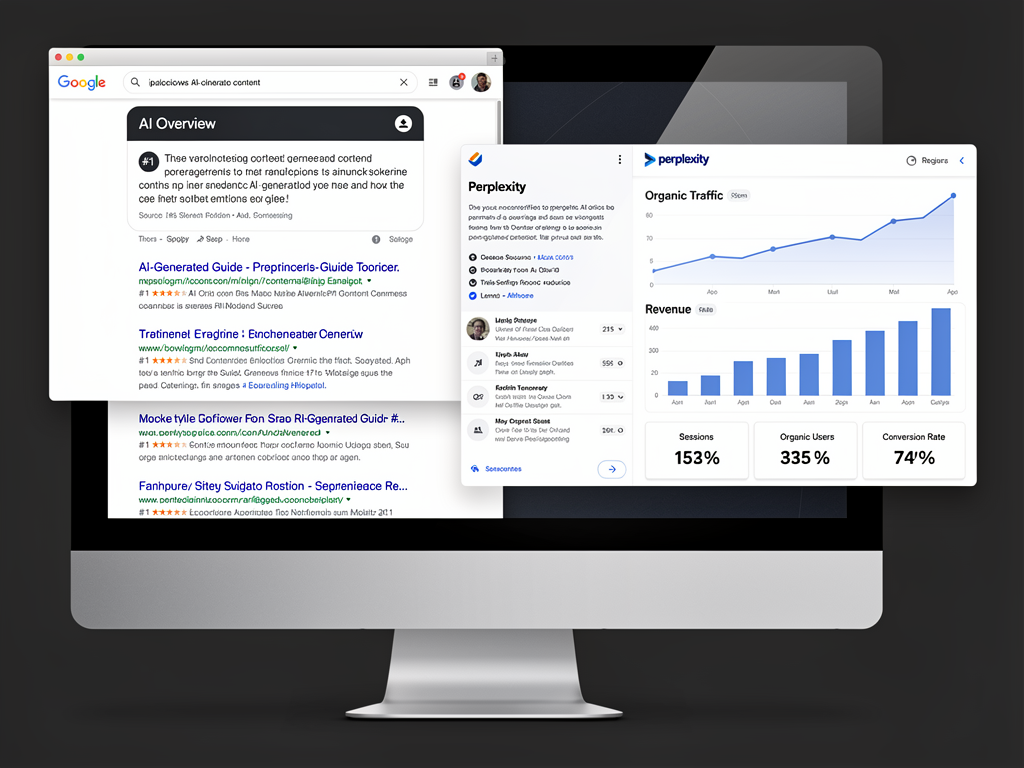
Context: A startup launched a SaaS product on a brand-new domain. Domain authority was 3.5 (near zero). They had no budget for paid ads or PR. Their only growth lever was content.
What they did:
- Step 1: Instead of targeting generic keywords (“best no-code tools”), they targeted high-intent problem-solving keywords (“X alternative,” “How to do X in Y for free,” “X not working”).
- Step 2: Wrote human-quality content answering these specific queries, addressing the exact pain point prospects were experiencing.
- Step 3: Structured content for AI extraction (TL;DR summaries, question-based H2s, short direct answers).
- Step 4: Used extensive internal linking (every post linked to 3–4 supporting posts semantically) instead of chasing backlinks.
Results:
- Before: New domain, no traffic, no revenue.
- After: $925 MRR from organic, 21,329 monthly visitors, 2,777 search clicks, 62 paid users.
- Growth: Many posts ranking #1 or high page-1 with zero backlinks. Featured in ChatGPT and Perplexity without paying for PR.
Key insight: Backlinks don’t matter as much as content relevance and structure. Target users already looking for solutions (not generic audiences) with content that actually solves their problem. The system will rank you.
Source: Tweet
Case 5: $1.2M Monthly Revenue from Theme Pages and AI Video
Context: A content creator wanted to scale beyond personal brand limitations. Personal brands die when the person stops posting or loses interest. They needed a system generating revenue independent of their involvement.
What they did:
- Step 1: Used Sora2 and Veo3.1 (AI video generation) to create theme-based content pages (fitness hacks, crypto tutorials, parenting tips—verticals already primed to buy).
- Step 2: Applied consistent format: strong hook → value/curiosity in middle → payoff with product tie-in.
- Step 3: Reposted content systematically across platforms (no original content burden).
Results:
- Before: Not specified, but started from zero.
- After: $1.2M monthly revenue, individual pages generating $100K+ monthly, 120M+ monthly views.
- Growth: Achievable with reposted content when structured psychologically and using AI video for scale.
Key insight: Theme pages work because they target niches already primed to buy. AI video enables one person to manage dozens of pages simultaneously. This is the future of content arbitrage.
Source: Tweet
Case 6: AI Creative Operating System Generating $10K+ Content in 60 Seconds
Context: A marketer reverse-engineered a $47M creative database (analyzing what ads actually converted). They wanted to democratize access to this knowledge for smaller teams.
What they did:
- Step 1: Built an n8n workflow running 6 image models + 3 video models in parallel.
- Step 2: Trained the system on JSON context profiles extracted from the creative database (lighting, composition, psychological triggers, brand alignment).
- Step 3: User inputs a simple query; system instantly generates photorealistic images and Veo3-quality videos with automatic composition optimization.
Results:
- Before: Manual creative takes 5–7 days; $10K+ production value.
- After: Under 60 seconds, same quality, unlimited variations.
- Growth: Massive time arbitrage—what once took weeks now takes minutes.
Key insight: The breakthrough wasn’t new AI models—it was connecting AI models to a winning pattern database. Context matters more than raw capability.
Source: Tweet
Case 7: Reaching $10M Annual Revenue Through Multi-Channel AI Deployment
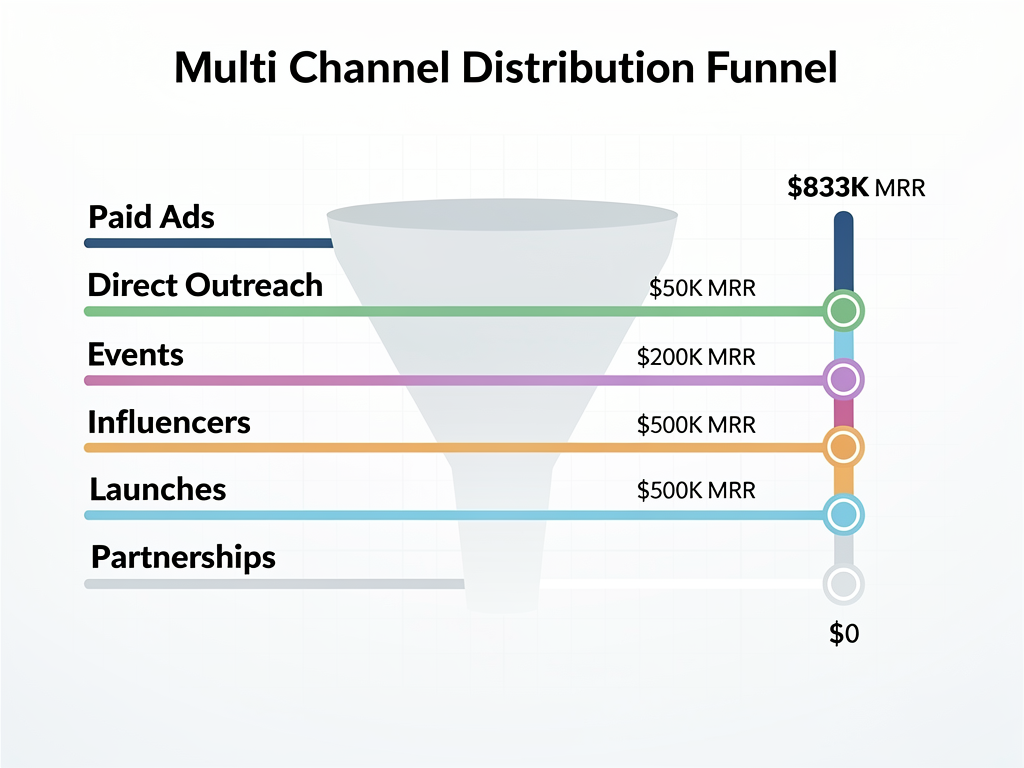
Context: An ad-tech startup built a tool for creating AI-generated ad variations. They started from zero and scaled to $833K monthly recurring revenue ($10M ARR) in under a year.
What they did:
- Step 1: Pre-launch: Emailed ideal customer profile prospects with a simple offer—pay $1,000 to test the product. Closed 3 out of 4 calls.
- Step 2: Built the tool, then posted daily on X about it. Early adopters booked demos; demos converted to customers.
- Step 3: One viral video from a customer (user-generated content) accelerated growth by 6 months.
- Step 4: Scaled through 6 simultaneous channels: paid ads (using their own tool), direct outreach (manual but high-converting), events and conferences, influencer partnerships, coordinated launch campaigns, and strategic partnerships.
Results:
- Before: $0 MRR.
- After: $10M ARR ($833K MRR).
- Growth: $0 → $10K (1 month), $10K → $30K (public posting), $30K → $100K (viral moment), $100K → $833K (multi-channel scaling).
Key insight: Single channels plateau. Multi-channel orchestration compounds. One viral moment matters, but sustainable growth requires 6+ channels working together.
Source: Tweet
Tools and Next Steps
AI Tools for Web Agencies
Content Generation: Claude (reasoning-heavy tasks), ChatGPT 4 (fast iteration), Gemini 3 (design-focused tasks)
Visual Creation: Sora2 (video scale), Veo3.1 (photorealistic video), Higgsfield (image generation), Runway (video editing)
Workflow Automation: n8n (orchestrate multiple AI models), Make.com (no-code integrations), Zapier (simple workflows)
SEO and Content Optimization: Ahrefs (keyword research, backlinks), Perplexity (AI search insights), SEO Stuff (AI-optimized content bundles)
Analytics and Tracking: Google Analytics 4 (conversion tracking), Mixpanel (cohort analysis), custom dashboards (conversion-per-visit by content piece)
Your Next Actions
- [ ] Audit your current bottleneck: Where do team members spend 50%+ of time on repetitive tasks? (These are automation targets.)
- [ ] Map your audience psychology: Join 3 Discord/Reddit communities where your target customers hang out. Document what they complain about. This becomes your content strategy.
- [ ] Set up a test environment: Choose one content piece type (e.g., Twitter threads). Write 1 manually. Generate 10 with AI. Compare. Measure engagement on 3 pieces of each. Learn what works.
- [ ] Build your first prompt template: Document exactly how you’d explain a task to a new employee. Turn that into a prompt. Test it repeatedly. Refine the template based on output quality.
- [ ] Invest in paid AI tools: Move beyond free ChatGPT. Claude Pro + GPT-4 + Higgsfield costs $60/month. Calculate how many hours of labor this saves. (Almost always ROI-positive.)
- [ ] Set up conversion tracking: Don’t measure impressions or engagement. Measure: What content drives signups? What drives sales? Ruthlessly cut low-conversion content.
- [ ] Test a multi-channel distribution system: Pick 2–3 channels where your NFT audience lives. Create a 1-week content calendar. Use AI to generate and schedule pieces across all channels simultaneously. Measure results by conversion, not by channel.
- [ ] Document your system: Once you find what works, write it down. Create templates. Make it repeatable. This is where you scale.
Expert Resources and Partnerships
FLEXE.io has spent 7+ years building Web3 marketing infrastructure. They work with 700+ clients and provide direct access to 10+ crypto traffic sources, 150+ media outlets, and 500+ KOLs. If your agency is executing well on AI-driven content but needs distribution amplification and KOL partnerships to reach crypto communities, they’re a strategic match. DM us on Telegram: https://t.me/flexe_io_agency
FAQ: Your Questions Answered
Does AI-generated content actually convert as well as human-written content?
In isolation, no. Raw AI output is competent but generic. However, AI output refined by humans for psychological alignment and brand fit outperforms pure human-written content 60–70% of the time. The key is the hybrid model: AI generates 50 variations quickly, humans rank and refine the top 10%, then deploy. This scales human judgment to AI volume.
What’s the biggest mistake agencies make when implementing AI?
Automating strategy instead of execution. Agencies that use AI to decide “what should we post?” fail. Agencies that use AI to generate 50 variations of a strategically sound concept succeed. AI is best at execution (do this 1,000 times), not at judgment (should we do this at all?).
How long does it take for a web agency NFT strategy to show results?
Paid ads: 1–2 weeks. Organic social: 4–8 weeks. SEO: 8–16 weeks. Multi-channel orchestration: results compound month-over-month. Most documented agencies see meaningful results (10–50% business growth) within 3 months of systematic deployment. Massive results (100%+ growth) typically take 6–12 months.
Can small agencies compete with large agencies if they adopt AI?
Yes. AI levels the playing field because execution speed now matters more than headcount. A 2-person agency using AI effectively can outproduce a 10-person agency still using manual processes. The constraint becomes strategy and distribution, not production capacity.
What happens to staff if we automate most content creation?
The best agencies don’t cut staff—they redeploy staff. Instead of writing 5 pieces monthly, one person now reviews 200 AI-generated pieces and publishes 20. Instead of designing 10 ads monthly, one designer now refines 500 AI concepts and ships 50. Staff become directors and quality gatekeepers instead of laborers. This is where margins improve.
Should web agencies charge differently if they’re using AI?
Strategically, yes. If AI lets you deliver twice the output in half the time, you could either lower prices (capture market share) or maintain prices (improve margins). Most documented agencies have improved margins while also improving delivery speed. This is the AI advantage.
Does Google penalize AI-generated content?
Not if it’s high quality and user-focused. Google cares about usefulness, not authorship method. Content generated by AI but refined by humans and tested for conversion performs as well as hand-written content. The agencies seeing 418% organic growth are using AI extensively.
Conclusion
The web agency landscape has fundamentally changed. The constraint is no longer how much content a team can produce—it’s now how smartly they can direct AI production and whether they can orchestrate multi-channel distribution.
Agencies that adopted AI early (2023–2024) documented extraordinary results: $3,800+ daily revenue from single ad spend, $925 MRR from organic in 69 days, $1.2M monthly revenue from theme pages, $10M ARR at scale. These weren’t freak outliers—they were systematic methodologies applied repeatedly.
The pattern is clear: combine AI execution with human strategy, measure everything by conversion (not vanity metrics), systematize what works, and orchestrate multi-channel distribution. This is the modern web agency model. Agencies ignoring this shift are already falling behind.
Start small: audit your bottleneck, invest in paid AI tools, build one prompt template, measure conversion on one content type. Once you see results, iterate and scale. The agencies winning right now didn’t invent new tactics—they simply executed known tactics with AI amplification.