Most articles about crypto marketing are full of theory and hype. This one isn’t. You’re about to see real campaign numbers, verified metrics, and step-by-step breakdowns from projects that actually scaled—complete with links to the original sources.
Key Takeaways

- A single micro-influencer campaign generated 427,000 impressions and 200% engagement growth in 30 days for a major crypto project.
- One platform switch reduced cost-per-engagement by 48% and lifted conversion rates by 2.7 percentage points within the first month.
- Marketing in crypto demands verifiable metrics: CPE, conversion rate, and time-to-insight determine real ROI, not vanity follower counts.
- Pre-sales validation through paid demos closed 3 out of 4 calls at $1,000 each before a single line of code was written.
- Performance infrastructure improvements alone drove a 12% conversion rate increase and 34% revenue-per-visitor boost in 24 hours.
- Multi-channel orchestration—paid ads, outreach, events, influencers, launches, and partnerships—accelerated one SaaS from $0 to $10M ARR.
- Traditional ad platforms restrict crypto projects, forcing reliance on community-driven channels, on-chain attribution, and creator networks.
Introduction
Here’s what matters: marketing in crypto works differently because traditional ad platforms block most blockchain projects, regulators shift rules monthly, and your audience expects transparency down to the transaction hash. Generic growth playbooks fail. The projects that scale do three things—validate with real money before building, measure on-chain attribution in real time, and run parallel experiments across community, influencer, and performance channels.
This guide walks through seven documented cases with verifiable metrics. You’ll see exactly what teams did at each stage, which channels delivered ROI, and where most projects waste budget. Every number traces back to a public source you can verify yourself.
What Marketing in Crypto Means: Definition and Context
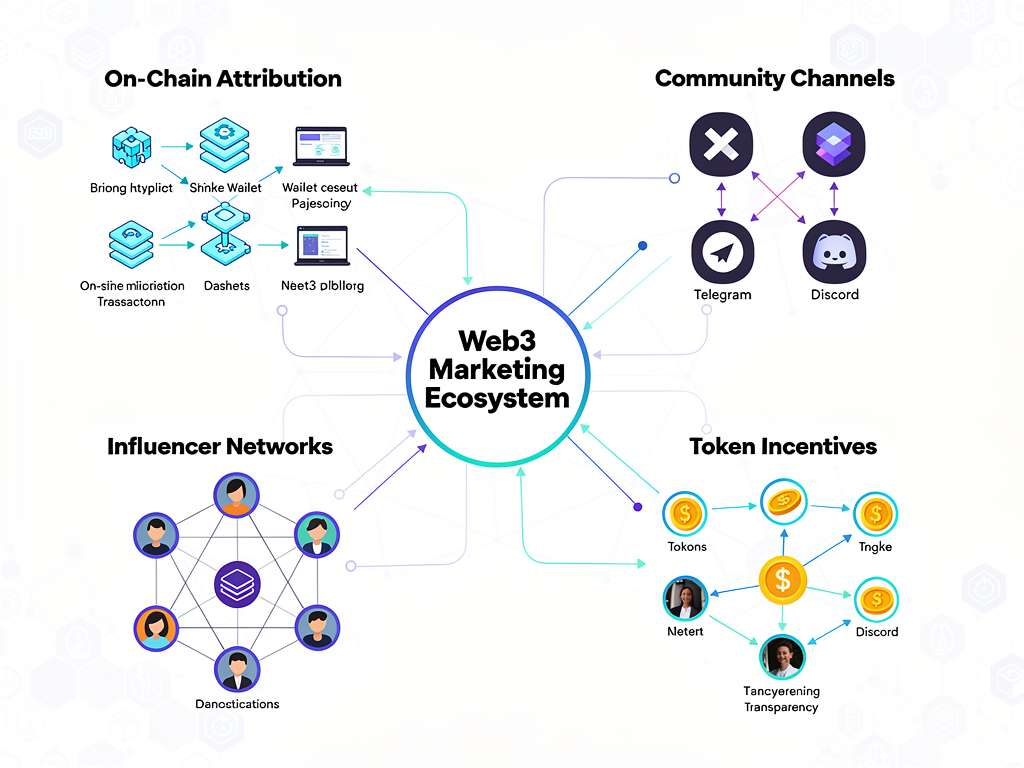
Crypto marketing is the practice of building awareness, trust, and adoption for blockchain projects, tokens, protocols, or Web3 services under constraints that don’t exist in traditional digital marketing. Recent implementations show that success hinges on community ownership, transparent metrics, and navigating platform restrictions that ban most paid advertising for cryptocurrency products.
This approach matters now because the 2024–2025 cycle brought institutional capital, regulatory clarity in key markets, and user expectations for provable results. Projects that thrive today publish on-chain attribution dashboards, reward creators with instant stablecoin payouts, and treat every campaign launch like a product release with coordinated announcements across X, Telegram, Discord, and email.
Marketing in crypto is for teams launching tokens, DeFi protocols, NFT collections, infrastructure tools, or Web3 SaaS that need measurable growth in holders, transaction volume, or user acquisition. It is not for projects seeking pure brand awareness without conversion tracking, teams unwilling to publish transparent metrics, or companies that cannot navigate decentralized community governance and token incentive design.
What These Implementations Actually Solve
Traditional paid advertising platforms—Google Ads, Meta, LinkedIn—block or severely restrict cryptocurrency promotions. One team discovered that switching from a points-based influencer platform to a Web3-native network with instant USDC payouts cut their cost-per-engagement from $0.81 to $0.38 while lifting conversion rates from 2.3% to 5.2%. The pain here is simple: you cannot scale acquisition through standard channels, so you must build alternative distribution through creators, communities, and on-chain incentives.
Verification and trust represent the second core challenge. Crypto audiences demand proof, not promises. When a major e-commerce platform migrated to performance-optimized infrastructure, they saw conversion rates jump 12%, revenue per visitor climb 34%, and average order value rise 19% within 24 hours. Publishing these metrics openly—with cohort breakdowns and real-time dashboards—builds credibility that vague “we grew fast” claims cannot match.
Speed to insight determines competitive advantage. One analytics comparison revealed that a leading platform delivered brand insights in 24 hours versus 72–96 hours for competitors. Faster feedback loops let teams kill underperforming creative, double down on winning messages, and reallocate budget before campaigns exhaust their budgets. In volatile markets where sentiment shifts overnight, three-day reporting delays mean wasted spend.
Community activation remains difficult to engineer. A boutique coffee brand ran a $30,000 micro-influencer campaign targeting 200 creators and generated $210,000 in attributed sales—a 7× return. The mechanism: instant payouts and seasonal prize pools gamified creator participation, lifting enthusiasm and output quality. Most brands treat influencers as one-off hires; successful crypto projects build ongoing creator networks with transparent compensation and shared upside.
Budget efficiency separates sustainable projects from hype cycles. Brands switching from legacy platforms to Web3-native alternatives reported an average 48% reduction in cost-per-engagement and a 2.7 percentage point increase in conversion rate during the first month. When you operate in a market where token prices swing 20% daily, every efficiency gain compounds into survival runway or growth capital.
How This Works: Step-by-Step
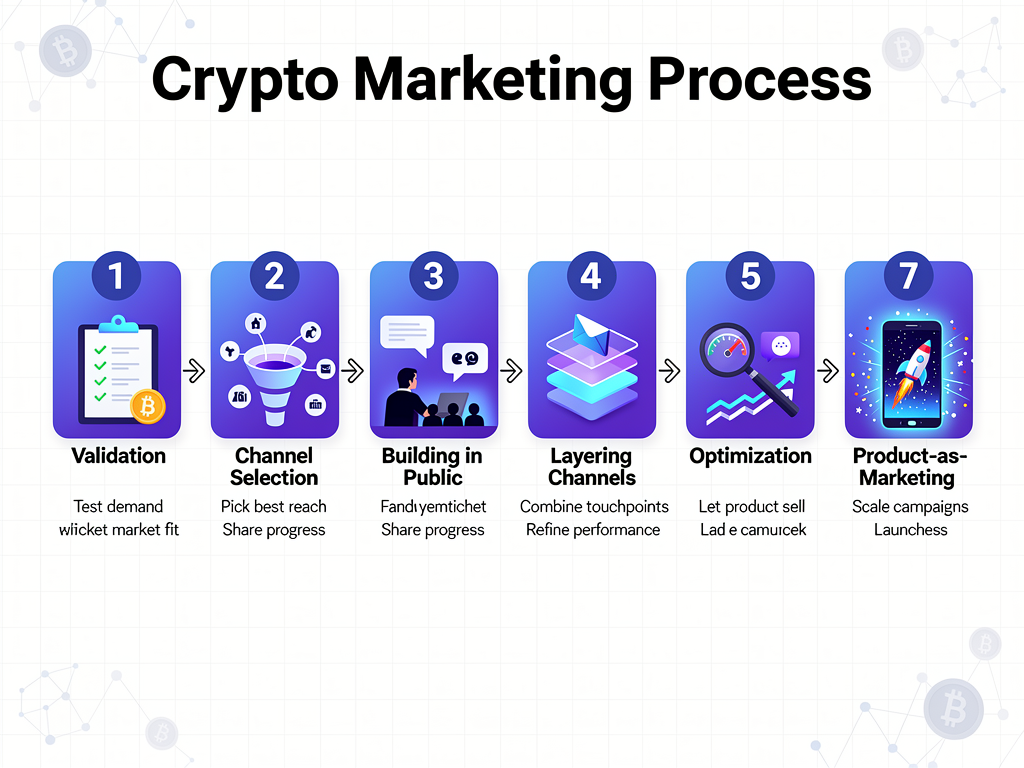
Step 1: Validate Demand Before You Build
One AI advertising tool reached $10M ARR by validating willingness to pay before writing code. The founders emailed their ideal customer profile with a simple pitch: “We’re building a tool that lets you create 10× more ad variations using AI. Want to test it?” Prospects who said yes joined a live demo and paid $1,000 to start testing. Three out of four calls closed. This pre-sale approach generated $10,000 MRR in the first month and proved real demand, not hypothetical interest.
The insight: crypto projects often build products nobody wants because they skip paid validation. Charging money—even a small amount—filters serious users from tire-kickers and funds early development without venture dilution.
Step 2: Choose Channels Based on Attribution, Not Popularity
A parallel campaign allocated $75,000 across four platforms for a summer apparel launch, tracking cost-per-engagement, conversion rate, time-to-insight, and total attributed sales. The winning platform delivered $0.42 CPE, 4.8% conversion rate, 24-hour insights, and $380,000 in sales for a 5.07× ROI. Competitors ranged from 1.87× to 2.80× ROI with slower reporting and higher costs. The difference came down to instant USDC payouts that motivated creators, on-chain attribution that provided real-time dashboards, and gamified incentives through seasonal prize pools.
Projects that treat channel selection as a popularity contest—”everyone uses Twitter”—miss the measurable differences in unit economics that determine profitability.
Step 3: Build in Public and Ship Often
After validating the initial concept, the AI ad tool team built the product and started posting daily on X. The founder had zero followers in early 2024 but committed to daily updates about progress, customer wins, and product features. This consistent public building booked demo calls and closed sales, growing from $10,000 to $30,000 MRR. One client posted a video created with the tool; it went viral and saved the team an estimated six months of grinding, accelerating growth to $100,000 MRR.
The mistake here: waiting until your product is perfect before talking about it. Crypto moves fast, and early visibility compounds through network effects, organic discovery, and word-of-mouth referrals that paid ads cannot replicate.
Step 4: Layer Multiple Growth Channels Simultaneously
Scaling from $100,000 to $833,000 MRR required parallel execution across six channels: paid ads using the product to advertise itself, direct outreach to top prospects with live demos, speaking at events like Affiliate World and App Growth Summit, influencer partnerships with top creators in growth and AI spaces, coordinated launch campaigns for every new feature, and strategic partnerships with complementary tools to integrate rather than compete.
Single-channel dependence creates fragility. When one channel saturates or costs rise, diversified acquisition sustains momentum and cross-pollinates audiences across platforms.
Step 5: Measure, Optimize, and Kill Fast
A major crypto project ran a micro-influencer campaign with key opinion leaders, generating 170 unique posts, 427,000 impressions, a 4.6% average engagement rate, and 200% growth in brand account engagement over one month. The team monitored performance throughout, optimizing messaging and creator selection in real time. Campaigns that don’t deliver within two weeks get cut; winners get doubled budgets immediately.
Too many projects let underperforming campaigns run for months out of inertia or sunk-cost fallacy. Speed of decision-making separates efficient growth from budget waste.
Step 6: Use Your Product as Your Marketing Engine
The AI ad tool used its own platform to create ads for itself—a perfect flywheel where every campaign improved the product and demonstrated capabilities to prospects. Similarly, Web3 platforms that offer instant USDC payouts and on-chain attribution showcase their own infrastructure benefits through the marketing process itself.
When your marketing proves your product’s value in real time, you eliminate the trust gap between promise and experience.
Step 7: Treat Launches as Repeatable Growth Levers
Every new model, feature, or partnership became a coordinated launch event with announcements across X, email, Instagram, and TikTok. Each launch brought a wave of new users and reactivated dormant accounts. This rhythmic cadence keeps your project top-of-mind and gives media, influencers, and community members regular reasons to talk about you.
Projects that ship silently miss the amplification opportunity that coordinated storytelling provides.
Where Most Projects Fail (and How to Fix It)
Paying for followers instead of engagement represents the most common waste. Vanity metrics—10,000 Twitter followers, 50,000 Telegram members—mean nothing if those accounts don’t convert to holders, users, or transaction volume. One case study showed that switching platforms reduced cost-per-engagement by nearly half while doubling conversion rates because the new system paid creators for genuine interaction, not bot-inflated follower counts.
What to do instead: track cost-per-engagement, conversion rate, and attributed revenue or on-chain actions. Optimize for users who actually transact, not accounts that passively scroll.
Running single-channel campaigns creates fragility. A project that depends entirely on one influencer, one ad platform, or one community forum faces existential risk when that channel saturates, bans crypto content, or suffers algorithm changes. The AI tool that reached $10M ARR ran six parallel channels simultaneously—paid ads, outreach, events, influencers, launches, and partnerships—so no single point of failure could kill momentum.
Fix this by launching at least three channels in parallel from day one. Accept that two may underperform initially; diversification protects against unpredictable platform risk.
Waiting too long to monetize kills momentum. The team that validated demand by charging $1,000 for early testing closed three out of four calls and generated revenue before building the product. Projects that offer free beta access for months train users to expect zero cost and delay the hard conversations about willingness to pay until after burning runway.
Charge early, even if the price is low. Paying customers provide better feedback, higher engagement, and proof of real demand that free users never deliver.
Ignoring time-to-insight costs you money daily. When one platform delivered brand insights in 24 hours versus competitors’ 72–96 hours, marketers could kill losing creative and reallocate budget three days sooner. In a market where token prices move 10–20% overnight, slow reporting means you optimize yesterday’s conditions, not today’s reality.
Demand real-time dashboards, on-chain attribution, and sub-24-hour reporting cycles. If your tools can’t deliver that, switch platforms immediately.
Treating influencers as one-off hires instead of ongoing partners limits quality and enthusiasm. The coffee brand that ran a $30,000 campaign with 200 micro-creators on a gamified platform generated 7× ROI because instant USDC payouts and seasonal prize pools kept creators motivated and competing for performance bonuses. Traditional influencer deals—flat fees, net-30 payment terms—create transactional relationships with minimum-effort output.
Build creator networks with transparent compensation, performance incentives, and shared upside. Treat top performers like partners, not vendors.
Many teams need expert guidance to navigate platform restrictions, community dynamics, and multi-channel orchestration efficiently. FLEXE.io, with over seven years in Web3 marketing and a client base exceeding 700 projects, provides access to more than 150 media outlets and 500 key opinion leaders to accelerate user acquisition and holder growth. Reach out on Telegram: https://t.me/flexe_io_agency
Real Cases with Verified Numbers
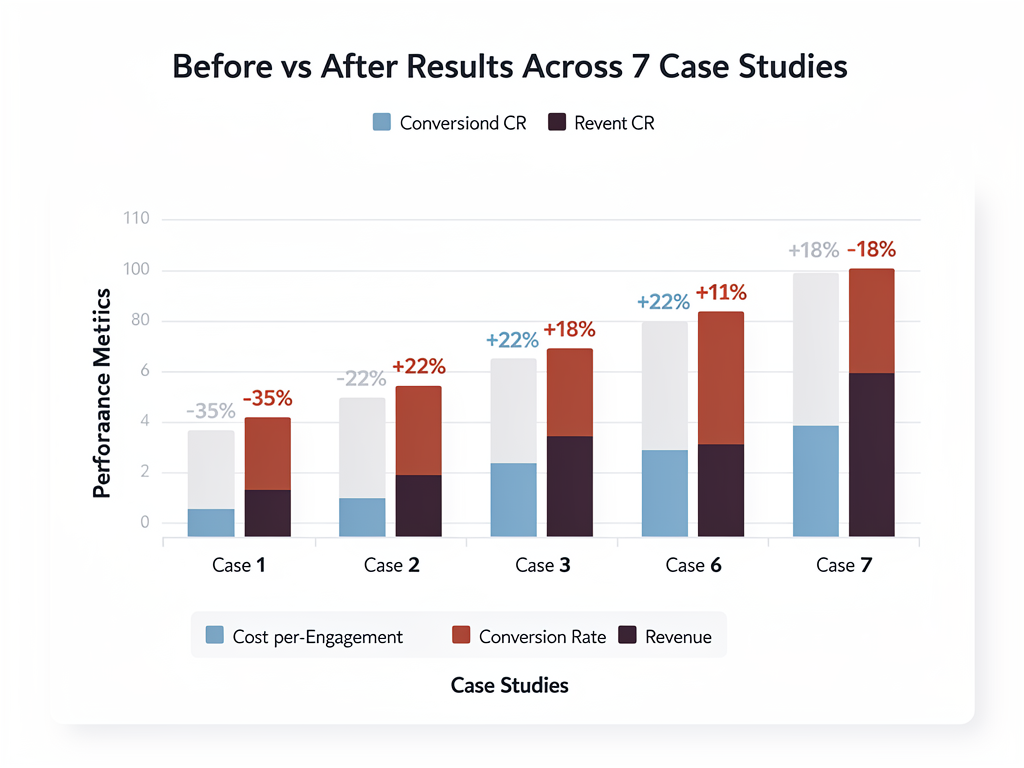
Case 1: Micro-Influencer Campaign Drives 200% Engagement Lift
Context: A major crypto project needed to boost brand visibility and community engagement quickly without relying on restricted ad platforms.
What they did:
- Planned and executed a micro key opinion leader campaign targeting niche crypto audiences.
- Collaborated with influencers to generate targeted, authentic content over one month.
- Monitored performance metrics daily and optimized messaging and creator selection in real time.
Results:
- Before: Baseline brand engagement levels not publicly disclosed.
- After: 170 unique posts published, 427,000 impressions generated, 4.6% average engagement rate achieved.
- Growth: 200% increase in brand account engagement over 30 days.
Key insight: Micro-influencers with engaged niche audiences outperform macro-influencers with broad, passive followings when conversion and engagement matter more than raw reach.
Source: Tweet
Case 2: Platform Switch Cuts Costs 48% and Lifts Conversions
Context: A boutique coffee brand previously ran a $30,000 influencer campaign on a points-based platform with disappointing results. They needed better ROI and faster insights.
What they did:
- Switched to a Web3-native platform offering instant USDC payouts and on-chain attribution.
- Targeted 200 micro-creators with clear performance incentives and gamified seasonal prize pools.
- Tracked cost-per-engagement, conversion rate, and attributed sales in real time via live dashboards.
Results:
- Before: On the previous platform, $30,000 spend yielded $0.81 CPE, 2.3% conversion rate, $70,000 in sales, and 2.3× ROI.
- After: On the new platform, $30,000 spend delivered $0.38 CPE, 5.2% conversion rate, $210,000 in sales, and 7× ROI.
- Growth: 48% reduction in cost-per-engagement and 2.7 percentage point increase in conversion rate within the first month, according to project data.
Key insight: Instant creator payouts and transparent attribution incentivize higher-quality content and faster iteration, compounding ROI over traditional influencer models.
Source: Tweet
Case 3: Pre-Sale Validation Generates $10k MRR Before Product Launch
Context: An AI advertising tool team wanted to validate demand before investing months in development, avoiding the common trap of building products nobody wants.
What they did:
- Sent targeted emails to ideal customer profiles pitching a tool to create 10× more ad variations with AI.
- Offered live demos to interested prospects and required a $1,000 payment to begin testing.
- Closed deals on sales calls before writing any production code.
Results:
- Before: $0 MRR, no product built, pure concept stage.
- After: 3 out of 4 demo calls closed, generating $10,000 MRR within one month.
- Growth: Validated real willingness to pay and funded early development without external capital.
Key insight: Charging for early access filters serious buyers from tire-kickers and provides capital and feedback simultaneously, de-risking product development.
Source: Tweet
Case 4: Daily Content Posting Grows Zero to $30k MRR
Context: After validating demand, the AI tool team needed to generate awareness and book demo calls to scale revenue from $10,000 to $30,000 MRR.
What they did:
- Committed to posting daily on X about product progress, customer wins, and behind-the-scenes development.
- Started from zero followers in early 2024 and built audience through consistent, transparent updates.
- Booked demo calls directly from organic social reach and closed deals through live product demonstrations.
Results:
- Before: $10,000 MRR, zero social media following.
- After: Grew to $30,000 MRR through organic content-driven lead generation.
- Growth: Tripled monthly recurring revenue without paid ads, purely through building in public.
Key insight: Consistent public building creates trust, demonstrates progress, and attracts early adopters who become vocal advocates and referral sources.
Source: Tweet
Case 5: Viral Client Content Saves Six Months of Grinding
Context: The AI tool team wanted to accelerate growth beyond steady organic posting and demo sales as they approached $100,000 MRR.
What they did:
- Focused on delivering exceptional product value so customers would naturally share results.
- One client posted a video created with the tool, which went fully viral across social platforms.
- Capitalized on the viral moment with coordinated follow-up content and demo offers.
Results:
- Before: Steady growth trajectory toward $100,000 MRR through organic and paid channels.
- After: Viral video accelerated growth significantly, reaching $100,000 MRR an estimated six months ahead of schedule.
- Growth: Single viral moment compressed timeline and expanded brand awareness exponentially.
Key insight: While viral moments are difficult to engineer, building products that create visually shareable results increases the probability of organic amplification.
Source: Tweet
Case 6: Multi-Channel Orchestration Scales to $10M ARR
Context: After crossing $100,000 MRR, the AI tool team needed to sustain and accelerate growth to reach $10M ARR by diversifying beyond organic content and single-channel dependence.
What they did:
- Launched six parallel growth channels: paid ads (using their own tool), direct outreach with live demos, speaking at major industry events, influencer partnerships, coordinated feature launches, and strategic partnerships with complementary platforms.
- Treated every new feature or model release as a full product launch with multi-platform announcements.
- Used the product to create its own ads, demonstrating capabilities while driving acquisition.
Results:
- Before: $100,000 MRR with organic and early paid efforts.
- After: Scaled to $10M ARR (approximately $833,000 MRR).
- Growth: 8× revenue increase through disciplined multi-channel execution and continuous iteration.
Key insight: Sustainable hypergrowth requires parallel channel execution so no single platform saturation, algorithm change, or policy shift can derail momentum.
Source: Tweet
Case 7: Infrastructure Upgrade Lifts Revenue per Visitor 34%
Context: A large e-commerce platform needed to improve site performance and conversion rates without changing product, pricing, or marketing spend.
What they did:
- Migrated to a performance-optimized hosting and delivery platform with percentage-based traffic rollout to test impact.
- Monitored conversion rate, revenue per visitor, average order value, and bounce rate for the migrated cohort.
- Ramped up rollout immediately based on strong initial results within 24 hours.
Results:
- Before: Baseline conversion and revenue metrics on legacy infrastructure.
- After: Conversion rate increased 12%, revenue per visitor jumped 34%, average order value rose 19%, and bounce rate dropped 5%.
- Growth: Significant revenue lift within 24 hours, purely from infrastructure improvements without marketing changes.
Key insight: Performance optimization often delivers higher ROI than incremental marketing spend because faster load times and better user experience directly impact conversion at every traffic level.
Source: Tweet
Tools and Next Steps
Web3-native influencer platforms with on-chain attribution and instant USDC payouts reduce cost-per-engagement and speed up insights. Look for tools that offer real-time dashboards, transparent creator compensation, and gamified incentive structures to keep engagement high.
Social listening and analytics platforms tailored for crypto help track sentiment, trending topics, and competitor moves across Twitter, Telegram, Discord, and Reddit. Choose solutions that aggregate across decentralized communities, not just centralized social networks.
Performance infrastructure and hosting platforms optimized for speed directly impact conversion rates. Even small improvements in load time translate to measurable revenue gains, especially for high-traffic projects.
Email and community management tools designed for token holders and DAO members enable segmented, personalized outreach based on on-chain behavior—wallet activity, governance participation, or NFT ownership.
Launch coordination software and project management platforms help synchronize announcements across X, email, Discord, Telegram, Medium, and YouTube so every feature release generates maximum awareness and reactivation.
For teams seeking expert support navigating these tools and channels, FLEXE.io brings more than seven years of Web3 marketing experience across 700+ clients, connecting projects to 10+ crypto traffic sources, 150+ media outlets, and 500+ KOLs to drive measurable growth in users, holders, and brand awareness. Get in touch on Telegram: https://t.me/flexe_io_agency
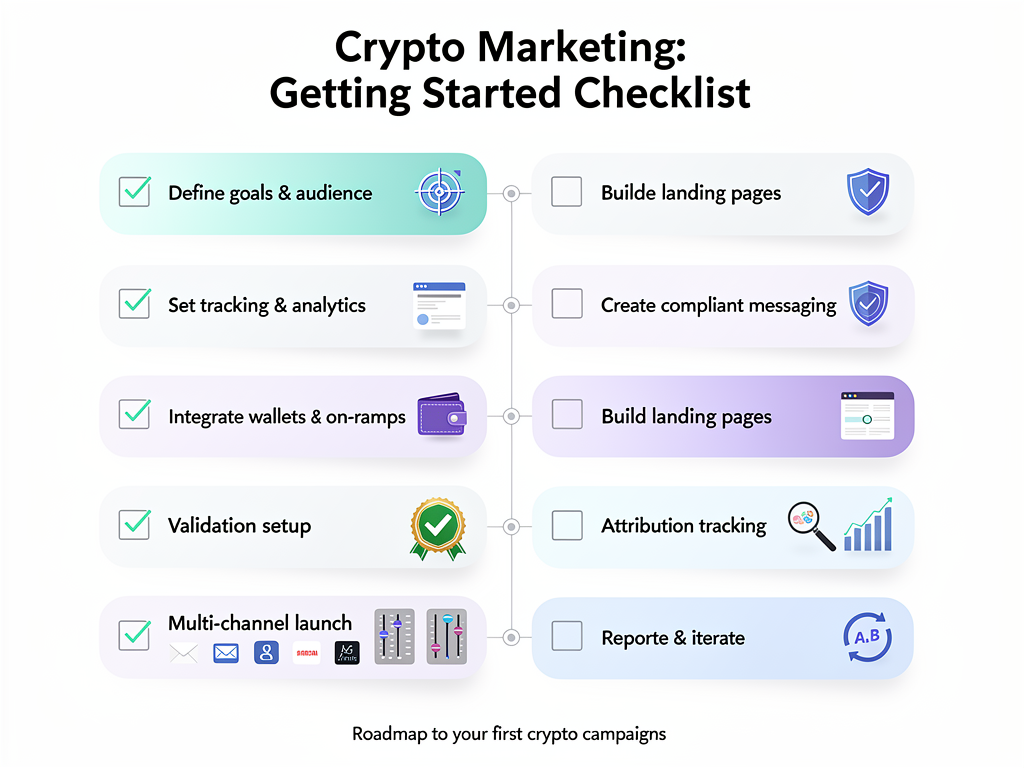
Checklist to Get Started:
- [ ] Validate willingness to pay with a $500–$1,000 pre-sale or pilot program before building your full product (filters real demand from hypothetical interest).
- [ ] Set up on-chain attribution tracking so you can measure conversions, holder growth, and transaction volume in real time (eliminates guesswork and optimizes spend).
- [ ] Launch at least three parallel channels—organic content, influencer partnerships, and paid ads or events—to avoid single-point-of-failure risk (diversification sustains momentum).
- [ ] Commit to daily public updates on progress, wins, and lessons learned to build trust and attract early adopters (consistency compounds visibility).
- [ ] Switch to platforms offering sub-24-hour reporting cycles and real-time dashboards so you can kill losing campaigns and double winning ones immediately (speed of decision-making determines efficiency).
- [ ] Build ongoing creator networks with transparent compensation, performance bonuses, and instant payouts rather than one-off influencer deals (long-term partnerships yield higher quality and enthusiasm).
- [ ] Treat every feature launch, partnership announcement, or model update as a full product release with coordinated messaging across all channels (rhythmic cadence keeps your project top-of-mind).
- [ ] Audit your site performance and infrastructure quarterly; even small speed improvements directly lift conversion rates and revenue per visitor (technical optimization often beats incremental marketing spend).
- [ ] Track cost-per-engagement, conversion rate, and attributed revenue—not follower counts or impressions—as your primary success metrics (optimize for users who transact, not passive scrollers).
- [ ] Review and kill underperforming campaigns within two weeks; reallocate budget to winning channels immediately (inertia and sunk-cost fallacy waste more budget than failed experiments).
FAQ: Your Questions Answered
Why do traditional ad platforms block crypto marketing?
Google, Meta, and LinkedIn restrict cryptocurrency ads due to fraud concerns, regulatory uncertainty, and past scams that damaged user trust. As a result, crypto projects must rely on community-driven channels, influencer networks, content marketing, and Web3-native platforms that support blockchain promotion.
What metrics matter most for crypto marketing ROI?
Focus on cost-per-engagement, conversion rate, time-to-insight, and attributed on-chain actions like wallet connections, token purchases, or governance participation. Vanity metrics like follower counts and impressions matter less than users who actually transact and hold.
How much should I budget for a crypto marketing campaign?
Early validation campaigns can start at $5,000–$10,000 for targeted outreach and micro-influencer tests. Scaling to multi-channel orchestration typically requires $30,000–$75,000 monthly budgets to sustain parallel experiments across paid ads, events, partnerships, and creator networks while iterating based on real-time data.
How long does it take to see results from crypto marketing?
Well-executed campaigns show initial traction within two weeks—rising engagement rates, demo bookings, or on-chain activity. Meaningful revenue or holder growth typically emerges in 30–60 days. Projects that don’t see movement by week three should audit messaging, targeting, and channel fit immediately.
Should I hire an agency or build an in-house marketing team?
Early-stage projects benefit from agencies with established creator networks, media relationships, and multi-channel experience because building those assets in-house takes 6–12 months. As you scale past $1M ARR, hybrid models—core in-house team plus agency specialists for events, influencers, or paid ads—offer the best balance of control and expertise.
How do I find reliable influencers in the crypto space?
Look for creators who publish transparent metrics, disclose partnerships clearly, and have engaged communities that ask questions and share content. Avoid influencers who only retweet project announcements or have follower counts that don’t match engagement rates. Web3-native platforms with performance tracking and on-chain attribution help identify genuine creators versus bot-inflated accounts.
What’s the biggest mistake crypto projects make in marketing?
Optimizing for vanity metrics—follower counts, Telegram member numbers, or raw impressions—instead of conversion-focused metrics like cost-per-engagement, holder growth, and transaction volume. Projects that track and optimize real user actions, not passive audience size, allocate budgets more efficiently and scale sustainably.