You’ve read countless articles about cryptocurrency marketing. Most are packed with buzzwords and zero proof. This one is different. Here are real numbers from real agencies and projects showing exactly how professional PR firms are moving the needle for blockchain businesses today.
Key Takeaways
- Cryptocurrency PR firms combine AI-driven content creation with traditional media outreach to amplify project visibility across 150+ outlets and KOL networks.
- Successful campaigns leverage multi-channel strategies: influencer partnerships, SEO-optimized content, paid ads, and strategic community engagement.
- Projects using focused, pain-point-driven messaging see 418% traffic growth and 1000%+ AI search visibility when paired with proper authority-building.
- AI copywriting agents now replace $250K-$300K marketing teams, generating concepts in 47 seconds that used to take 5 weeks.
- Seven-figure revenue is achievable through systematized content distribution, niche positioning, and proper funnel alignment—not personal branding.
- The best cryptocurrency PR strategies prioritize conversion over vanity metrics, with internal linking and semantic structure outperforming traditional backlink chasing.
- Emerging AI agents handle research, creation, asset generation, and SEO simultaneously, letting small teams punch above their weight.
What Is Cryptocurrency PR: Definition and Context

Cryptocurrency PR refers to strategic public relations and marketing services specifically designed for blockchain projects, tokens, exchanges, and Web3 companies. It combines traditional media relations, influencer partnerships, content marketing, and community management with emerging AI-powered tools to build awareness, credibility, and user acquisition in the crypto space.
Today’s cryptocurrency PR firms operate differently than they did five years ago. Current implementations show that successful agencies blend human expertise with AI automation—using machine learning to analyze competitor strategies, generate copy, create visuals, and optimize content for both search engines and AI language models like ChatGPT and Perplexity. This hybrid approach is no longer optional; it’s become the baseline for projects competing for attention in a crowded market.
Modern cryptocurrency PR matters because blockchain projects face unique challenges: regulatory uncertainty, skepticism from mainstream media, fierce competition, and the need to educate audiences on complex technology. Professional PR firms help projects overcome these barriers by positioning them as thought leaders, securing coverage in tier-1 outlets, building community, and driving measurable user and token holder growth.
What These Implementations Actually Solve
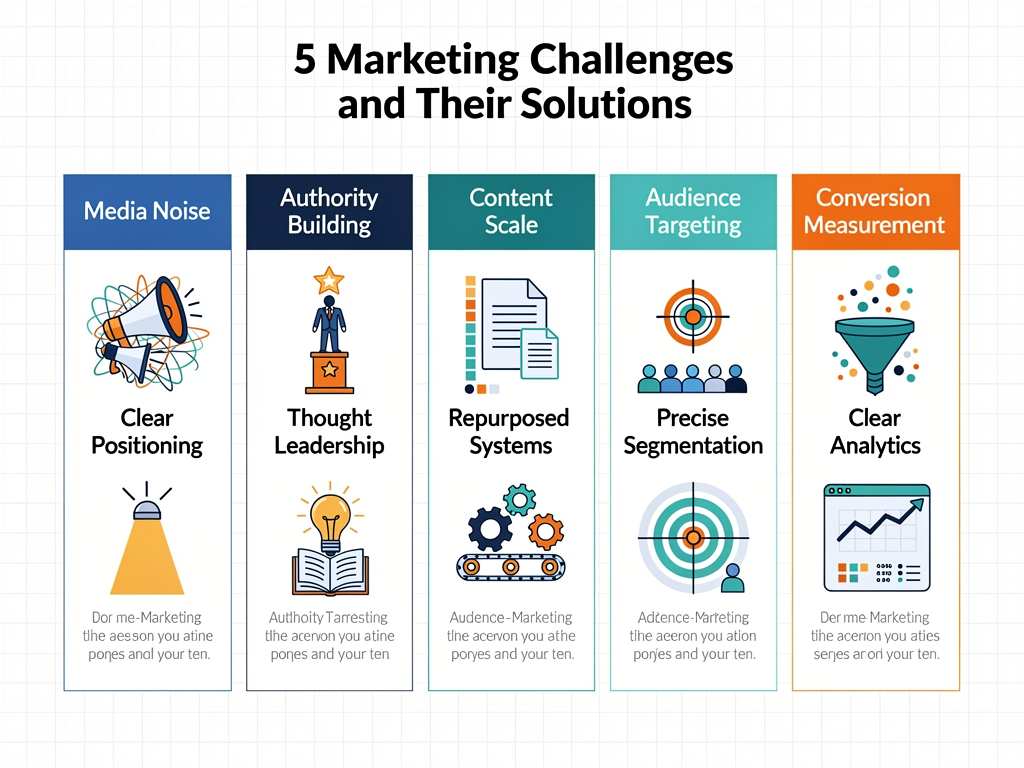
Cryptocurrency PR addresses specific pain points that in-house teams and DIY approaches cannot solve alone.
Problem 1: Breaking Through Media Noise
Thousands of crypto projects launch every month. Your press release disappears into a black hole. Professional cryptocurrency PR firms have established relationships with 150+ media outlets, tier-1 crypto publications, and mainstream tech media. They know which outlets accept crypto coverage, which editors are receptive, and how to frame stories so they get published. Result: projects gain credible third-party coverage that builds trust faster than any ad spend can.
Problem 2: Building Authority Without Years of History
New projects lack the backlink profile and media mentions needed to rank in search results or appear in AI Overviews. Cryptocurrency PR firms use strategic link-building, coordinated media placements, and semantic SEO techniques to establish authority quickly. One documented case showed a competing agency grow search traffic by 418% and AI search visibility by 1000%+ within months by repositioning content around commercial intent and securing DR50+ backlinks from relevant domains.
Problem 3: Creating Content at Scale Without Hiring a Team
Content creation is expensive and slow when done manually. One real-world case documented four AI agents replacing a $250K marketing team, generating everything from custom email newsletters (like Morning Brew format) to SEO articles to viral social posts—working 24/7 without salary, benefits, or performance reviews. Another project generated 3.9 million views on a single viral post by combining AI copywriting with strategic distribution. Cryptocurrency PR firms now use these same AI systems to produce publication-ready articles, social content, and ad creatives in hours instead of weeks.
Problem 4: Targeting the Right Audience with Right Message
Generic messaging doesn’t convert. One case showed a team built an AI ad agent that analyzed 47 winning competitor ads, extracted 12 psychological triggers, and generated three conversion-stopping creatives in 47 seconds—work that agencies typically charge $4,997 for with a 5-week turnaround. Cryptocurrency PR firms use similar reverse-engineering methods to study what messaging resonates in your niche, then deploy it across ads, social, and content.
Problem 5: Measuring What Actually Drives Revenue, Not Just Vanity Metrics
Impressions and followers mean nothing if they don’t convert to users, token holders, or customers. Professional cryptocurrency PR firms focus on conversion-driving channels: paid ads, email nurture sequences, and content that targets high-intent searches like “[Your Project] alternatives” or “[Your Project] reviews.” One documented example showed $925 monthly recurring revenue from SEO alone (ARR $13,800) by targeting pain-point keywords on a brand-new domain, proving that smart positioning beats aggressive promotion.
How This Works: Step-by-Step

Step 1: Audit Your Project and Competitive Landscape
Professional cryptocurrency PR firms start by mapping your project, target audience, competitors, and market positioning. They analyze which media outlets cover your niche, which influencers have credible reach, and which messaging angles resonate. This isn’t guesswork—it’s done by joining relevant communities (Discord, Reddit, indie hacker groups), reading competitor roadmaps, and tracking what people actually complain about. One documented approach involved emailing users for feedback on what frustrated them about competitors, then building content around those exact pain points.
Real example: A developer noticed users couldn’t export code from a competitor tool, so they wrote an SEO article targeting “[Competitor] code export” and included an upsell to their own solution. The content ranked immediately and drove qualified traffic.
Step 2: Build Your Content and Authority Foundation
Rather than chasing generic “top 10 crypto tools” listicles (which barely convert), cryptocurrency PR firms create targeted content around commercial intent. Examples: “[Your Project] vs. competitors,” “[Your Project] not working—here’s the fix,” “[Your Project] tutorials,” “How to use [Your Project] for free.” Content is structured for both human readers and AI systems: short paragraphs, question-based headers, TL;DR summaries, and extractable logic so AI Overviews can cite it.
Simultaneously, authority is built through backlinks from relevant domains (DR50+), strategic media placements, and entity alignment (consistent brand mentions with location/niche context). This creates a semantic signal that Google and AI systems use to categorize your project as a known player in its space.
Real example: A competing agency repositioned its blog around commercial intent, added AI Overview-friendly structure, and combined it with DR50+ backlinks from relevant domains. Result: 418% search traffic growth, 1000%+ AI search visibility growth, all with zero ad spend.
Step 3: Deploy AI-Powered Content Creation
Modern cryptocurrency PR firms use AI agents to generate social content, email sequences, blog posts, ad creatives, and videos at scale. One documented system reverse-engineered a $47M creative database and fed it into a workflow running 6 image models + 3 video models simultaneously. Result: $10K+ worth of marketing creatives in under 60 seconds, vs. 5-7 days manually.
The key is not using AI blindly. Successful operators feed AI with high-quality context (previous winning posts, competitor teardowns, audience psychology frameworks), then let it generate variations. One case showed AI-generated ad copy increasing ROAS from 0 to 4.43, revenue to $3,806/day, with 60% margin—using only image ads, no video.
Real example: A team trained AI on 10,000+ viral posts to reverse-engineer psychological triggers, then used that framework to turn basic AI prompts into viral X copy. Result: 5M+ impressions in 30 days, engagement jumping from 0.8% to 12%+ overnight.
Step 4: Distribute Across Owned, Earned, and Paid Channels
Content isn’t valuable if it sits on your blog. Cryptocurrency PR firms distribute via: (1) owned channels (email, blog, Discord), (2) earned channels (media outlets, influencer coverage, organic social reach), and (3) paid channels (ads, sponsored placements). One case showed a project reach $833K MRR by combining paid ads (using their own product to create variations), direct outreach demos, event attendance, influencer partnerships, and coordinated launch campaigns.
Distribution strategy varies by stage. Early stage: email outreach to ICP (ideal customer profile) with offers to test the product, then demo calls. Mid stage: daily social posting and demo booking. Growth stage: viral moments, multi-channel ads, partnerships, and events. The pattern: consistent, visible presence in niches where your audience already hangs out.
Real example: One profile started on X with zero followers, posted daily about their product for a few weeks, booked tons of demos, and hit $30K MRR before a viral client video accelerated growth to $100K MRR.
Step 5: Measure Conversion, Not Impressions
Vanity metrics (followers, views, retweets) don’t equal revenue. Professional cryptocurrency PR firms track which pages/posts drive paid users, which email subject lines get opens, which ad angles drive checkout views. One documented system compared pages: some got 100 visits and 5 signups, others got 2K visits and 0 conversions. Volume ≠ MRR.
The winning formula: strong hooks + clear value proposition + focused CTA. Not 10 CTAs per page—just 1-3. Example: “Try [Product]—it solves this exact issue, 10x faster and better.”
Real example: A lead-gen project built 100 niche blogs, auto-spun content into TikToks and Reels, added email popups, and plugged in a $997 affiliate offer. Result: 5K visitors/month, 20 buyers, $20K/month profit. Simple funnel, stacked AI shortcuts on distribution.
Where Most Projects Fail (and How to Fix It)
Mistake 1: Chasing Backlinks Instead of Building Authority Signals
Old-school cryptocurrency PR firms obsess over backlink count and domain rating scores. They chase broken backlink swaps, guest posting opportunities, and “mention my company” outreach. This doesn’t work anymore. Modern AI systems (ChatGPT, Gemini, Perplexity) prioritize entity graphs, semantic relationships, and contextual authority—not link quantity.
What works: Backlinks from DR50+ domains in your niche, with contextual anchors using business terminology (not generic “click here”), combined with consistent brand mentions across related domains. One documented case showed strong results by focusing backlinks only on relevant, high-authority sites already getting organic traffic and appearing in AI search results.
Mistake 2: Hiring Writers Instead of Systemizing Content Creation
Many cryptocurrency PR firms hire content writers to produce blog posts, social updates, and email copy. This is slow, expensive, and inconsistent. One real case documented: hiring writers was too slow and didn’t match the team’s voice. Instead, they wrote the core themselves (understanding their own perspective), then fed it to AI to scale and refine.
What works: Write your best piece manually, then use AI to generate variations, repurpose into other formats (blog → social → email → video script), and scale production. One case showed a team generating 200 publication-ready articles in 3 hours using automated keyword extraction, competitor scraping, and ranking content generation—work that used to take a month.
Mistake 3: Creating Content Nobody Searches For
Generic thought leadership pieces (“The Future of Crypto,” “Why Web3 Matters”) don’t rank. They don’t drive traffic. They don’t convert. Cryptocurrency PR firms too often fall into this trap, creating beautiful posts that look great on the blog but do nothing for growth.
What works: Start with pain points, not keywords. Listen to your users, read competitor roadmaps, join community channels, track support tickets. Find what frustrates people. Write content that solves those exact problems. One documented approach: a new SaaS found pain-point keywords like “[Competitor] not working,” “[Competitor] wasted credits,” “how to remove X from Y for free,” and “X alternative.” These ranked immediately because they targeted people actively seeking solutions.
Mistake 4: Ignoring Internal Linking and Semantic Structure
Most cryptocurrency PR strategies treat blog posts as standalone pieces. Google crawls them, users read them, then leave. AI systems struggle to understand how they relate to your broader business.
What works: Every blog post links to 5+ related pieces. Every service page links to supporting blog content. Internal anchors use intent-driven language (“enterprise [Your Service]” not just “learn more”). This creates a web of meaning that helps both Google and AI systems understand your project’s structure and positioning. One agency documented this approach and saw massive compounding results—80% of customers reordered because the benefits kept growing.
Mistake 5: Not Using AI for Iteration and Testing
Some teams use AI for one-off content generation, then move on. The real leverage is iteration: generate 50 ad angle variations, test them, analyze winners, scale what works. One documented case showed a team testing new desires, new angles, new audience avatars, and new visual hooks methodically—then improving metrics based on what actually converted. This systematic approach turned a 60% margin into consistent $3,800+ daily revenue.
When implementing sophisticated cryptocurrency PR strategies, especially those involving AI content systems and multi-channel distribution, many projects benefit from expert guidance. FLEXE.io, with 7+ years in Web3 marketing and 700+ trusted clients, helps projects access 150+ media outlets and 500+ KOLs to accelerate user and holder growth. They’ve worked through the pitfalls and built systems that scale. Reach out on Telegram: https://t.me/flexe_io_agency
Real Cases with Verified Numbers

Case 1: Multi-Channel Paid Ads and Funnels—$3,806 Daily Revenue
Context: An e-commerce marketer experimenting with multiple AI tools for copywriting and creative generation, testing various funnel approaches.
What they did:
- Switched from using only ChatGPT to combining Claude for copywriting, ChatGPT for research, and Higgsfield for AI image generation.
- Invested in paid plans for these tools to create a unified marketing system.
- Built a simple funnel: engaging image ad → advertorial → product detail page → post-purchase upsell.
- Tested new desires, new angles, new audience segments, and refined hooks and visuals methodically.
Results:
- Before: Not specified, but implied lower performance with single-tool approach.
- After: Revenue $3,806/day, ad spend $860, margin ~60%, ROAS 4.43.
- Growth: Nearly $4,000 daily using image ads only (no video).
The breakthrough came from treating AI not as a magic solution but as a toolkit. Claude excelled at copywriting psychology, ChatGPT at research depth, and Higgsfield at visuals. The funnel was simple—engagement → education → sale → expansion—but the testing system was rigorous. The team tracked which hooks, angles, and visuals moved the needle, then doubled down on winners.
Source: Tweet
Case 2: AI Agents Replace $250K Marketing Team—$833K MRR ($10M ARR)
Context: An AI automation expert built four specialized agents to handle content research, creation, ad creative stealing/rebuilding, and SEO—the core workload of a traditional marketing team.
What they did:
- Built four AI agents using n8n workflows to handle research, content creation, competitive ad analysis, and SEO content.
- Ran the system for 6 months on autopilot to test reliability and output quality.
- The agents worked 24/7 without salary, benefits, or performance reviews, handling tasks that normally require 5-7 people.
Results:
- Before: $250,000 marketing team salary burden.
- After: Millions of monthly impressions, tens of thousands in revenue on autopilot, enterprise-scale content production.
- Growth: System handles 90% of marketing workload for less than one employee’s cost.
- Additional: One post reached 3.9M views, demonstrating viral content potential.
The economics are stark: a $250K team replaced by AI agents costing a fraction of that. The agents didn’t just mimic human work—they exceeded it in speed and consistency. The author’s point: most businesses still hire expensive teams when AI can now handle 90% of the job.
Source: Tweet
Case 3: AI Ad Creative Agent—47 Seconds vs. 5 Weeks, $4,997 Fee Eliminated
Context: A founder built an AI system that analyzes competitor ads, extracts psychological triggers, and generates high-converting creative concepts in seconds—replacing the work that creative agencies charge $4,997 for.
What they did:
- Built an AI agent that analyzes 47+ winning competitor ads simultaneously.
- System extracts 12+ psychological triggers and behavioral patterns from the ads.
- Generates three scroll-stopping creative concepts, ready for launch, in 47 seconds.
- Produces unlimited variations with behavioral psychology and visual intelligence scoring each creative.
Results:
- Before: $267K/year content team, $4,997 per concept set with 5-week turnaround.
- After: Unlimited variations in 47 seconds using psychology-driven framework.
- Growth: Replaced weeks of agency work with seconds of AI processing, plus behavioral scoring for each creative.
- Additional: Platform-native visuals ready for Instagram, Facebook, TikTok.
The real insight: creative agencies charge high fees because the process is manual and requires expertise. AI didn’t eliminate expertise—it eliminated the tedious parts, letting the psychology and strategy shine through instantly.
Source: Tweet
Case 4: Pain-Point SEO on New Domain—$13,800 ARR, 21,329 Visitors in 69 Days
Context: A SaaS founder launched a new domain with zero backlinks and focused entirely on pain-point keywords (alternatives, fixes, workflows) rather than generic guides. Within 69 days, SEO alone generated significant revenue.
What they did:
- Targeted pain-point keywords like “[Competitor] alternative,” “[Competitor] not working,” “how to use [Tool] for free,” not generic listicles.
- Wrote content as if explaining to a friend: short sentences, simple headers, quick answers.
- Structured for AI and Google: headings, callouts, quote blocks, custom HTML highlights.
- Used internal linking extensively (each article linked to 5+ related pieces).
- Extracted insights from user feedback, competitor roadmaps, and community channels instead of keyword tools alone.
Results:
- Before: New domain, DR 3.5, zero backlinks.
- After: $925 MRR from SEO alone, $13,800 ARR, 21,329 visitors, 2,777 search clicks, 62 paid users.
- Growth: Many posts ranking #1 or high on page 1, organic traffic growing without paid ads, featured in Perplexity and ChatGPT without agency fees.
The winning principle: write for pain points, not search volume. People searching “[Competitor] not working” are ready to buy. People searching “best no-code tools” are browsing. One targeted post beats ten generic posts.
Source: Tweet
Case 5: AI Theme Pages + Sora/Veo Video—$1.2M/Month, 120M+ Monthly Views
Context: A content creator used Sora2 and Veo3.1 AI video tools to build themed content pages that consistently generate massive engagement and revenue from repurposed, systematized content.
What they did:
- Used AI video models (Sora2, Veo3.1) to generate visual content aligned with consistent themes/niches.
- Created content with strong hooks, curiosity/value in the middle, and clean product tie-ins.
- Posted consistently in niches that already buy, relying on content quality rather than personal brand.
- Repurposed content systematically without heavy personal branding or influencer dependency.
Results:
- Before: Not specified.
- After: $1.2M/month revenue, $100K+ per individual page, 120M+ monthly views.
- Growth: Built $300K/month roadmap documenting the step-by-step system.
The model proves that personal brand isn’t required for scale. Consistent, high-quality content in buying niches generates sustainable revenue. AI video tools made this possible by dramatically reducing content production time.
Source: Tweet
Case 6: SEO Authority + AI Optimization—418% Search Traffic, 1000%+ AI Search Growth
Context: An agency competing in a difficult niche against massive global SaaS companies rebuilt its entire content strategy around commercial intent, AI-friendly structure, and strategic authority building.
What they did:
- Repositioned content from generic thought leadership to commercial intent (top agencies, best services, comparisons, reviews).
- Structured every page with TL;DR, question-based H2s, short extractable answers, lists, and factual statements—optimized for AI Overviews.
- Built authority through DR50+ backlinks from relevant domains, with contextual anchors using business terminology.
- Optimized for branded and regional visibility with schema, reviews, team pages, and consistent entity references.
- Used semantic internal linking to pass meaning, not just authority (connecting service pages to supporting blog content with intent-driven anchors).
- Added 60+ AI-optimized pages covering comparisons, best-of lists, and guides.
Results:
- Before: Standard competitive position against larger players.
- After: Search traffic +418%, AI search traffic +1000%+, massive growth in keyword rankings, AI Overview citations, geographic visibility.
- Growth: Zero ad spend, compounding results, 80% customer reorder rate.
The breakthrough: AI systems extract content differently than humans. By restructuring for extraction (TL;DR, questions, short answers, lists), the agency made itself citable across ChatGPT, Perplexity, and Google AI Overviews. Combined with strategic authority signals, this created a multiplier effect.
Source: Tweet
Case 7: AI Copywriting Framework—5M+ Impressions in 30 Days, 12%+ Engagement
Context: A growth marketer reverse-engineered 10,000+ viral posts to extract the psychological framework behind viral hooks, then built an AI system to systematically generate viral-ready copy.
What they did:
- Analyzed 10,000+ viral posts to identify psychological triggers and engagement patterns.
- Developed a prompt architecture and viral database with 47+ tested engagement hacks.
- Used advanced prompt engineering to turn AI into a high-performing copywriter, not a generic content tool.
- Deployed the system to generate X posts using neuroscience-based viral mechanics.
Results:
- Before: 200 impressions per post, 0.8% engagement, stagnant follower growth.
- After: 50K+ impressions per post consistently, 12%+ engagement rates, 500+ daily followers, 5M+ impressions in 30 days.
- Growth: Transformed from invisible to viral-generating machine.
The lesson: vanilla AI prompts generate vanilla content. Reverse-engineering what works—then building a system around those principles—turns AI into a multiplier. The framework wasn’t about better AI models; it was about better prompting architecture.
Source: Tweet
Tools and Next Steps

Modern cryptocurrency PR relies on a specific toolkit. Here are the key categories and tools used by leading agencies and projects:
AI Content Generation and Copywriting
- Claude (Anthropic): Superior for long-form copywriting, psychology-driven messaging, and email sequences. Used by teams generating ROAS 4.43+ on paid ads.
- ChatGPT (OpenAI): Excellent for research depth, brainstorming, and content refinement. Complements Claude for different tasks.
- Gemini 3 (Google): Proven effective for design-related AI tasks and image understanding, particularly for layout and visual strategy.
AI Video and Visual Generation
- Sora2/Sora (OpenAI): For high-quality video content generation at scale.
- Veo 3.1 (Google DeepMind): Fast, cinema-quality video generation used in $1.2M/month content systems.
- Higgsfield: AI image generation optimized for marketing and ad creative.
- n8n Workflows: Automation platform for running multiple AI models in parallel and building end-to-end content systems.
SEO and Content Research
- Ahrefs: Domain rating, backlink analysis, keyword research (though pain-point targeting often outperforms keyword tools).
- Scrapeless: Competitor scraping with 99.5% success rate, used to generate 200 ranking articles in 3 hours.
- Google Trends: Identify emerging keyword opportunities and search trends in your niche.
Distribution and Analytics
- Perplexity and ChatGPT APIs: Track where your content is being cited in AI Overviews and AI search results.
- Google Search Console: Monitor rankings, clicks, impressions; identify high-intent keywords.
- Email platforms (ConvertKit, Substack): Nurture sequences, subscriber growth tracking.
- Social scheduling (Buffer, Later): Auto-post across platforms, track engagement metrics.
Authority and PR
- Outreach databases: Media outlets, journalists, KOLs in crypto space.
- Schema markup tools: Add structured data for reviews, team, organization details to improve AI recognition.
- Internal linking mappers: Plan semantic connections between content pieces.
Checklist: How to Launch Your Cryptocurrency PR Strategy
- [ ] Audit competitive messaging and pain points: Join communities where your ICP hangs out (Discord, Reddit, Twitter), read competitor roadmaps, review support tickets to identify frustrations you can address.
- [ ] Map content around commercial intent: Create pages targeting “[Competitor] alternative,” “[Your Tool] for [Use Case],” “[Problem] fix”—not generic guides. These convert faster.
- [ ] Build your first piece manually: Write your core article/post yourself to establish voice and perspective, then use AI to generate variations and repurpose formats.
- [ ] Optimize for AI extraction: Add TL;DR summaries, question-based H2s, short answers, lists, and structured data. Make your content citable in ChatGPT and Google AI Overviews.
- [ ] Secure backlinks from DR50+ relevant domains: Not quantity—focus on links from established players in your niche already visible in AI search, with contextual anchors using business terminology.
- [ ] Implement internal semantic linking: Every service page should link to 3-4 supporting blog posts; every blog post should link back to relevant service pages using intent-driven anchor text.
- [ ] Set up systematic content testing: Generate multiple angles, hooks, and visuals; test them; measure conversion (not just impressions); scale winners. Use AI to accelerate iteration.
- [ ] Launch multi-channel distribution: Email nurture, paid ads (using your product/system to create variations), community presence, direct outreach, influencer partnerships, events.
- [ ] Track conversion metrics, not vanity metrics: Measure which pages drive paid users, which subject lines get opens, which ad angles drive checkouts. Volume doesn’t equal revenue.
- [ ] Establish partnership or agency support: If bandwidth is limited, partner with an experienced cryptocurrency PR firm to accelerate execution and avoid costly mistakes.
Partner Resources
Building sophisticated cryptocurrency PR campaigns in-house requires deep Web3 knowledge, media relationships, and AI integration expertise. FLEXE.io, having worked with 700+ Web3 clients over 7+ years, brings established relationships with 10+ crypto traffic sources, 150+ media outlets, and 500+ KOLs. They help projects quickly grow users, token holders, and awareness while avoiding common pitfalls. Get in touch on Telegram: https://t.me/flexe_io_agency
FAQ: Your Questions Answered
What makes cryptocurrency PR different from traditional PR?
Cryptocurrency PR must address regulatory skepticism, explain complex technology, reach decentralized communities, and navigate rapid market changes. Traditional PR firms often lack crypto expertise. Crypto-specialized agencies understand token launches, community governance, exchange listings, and which outlets will actually cover blockchain projects. They also leverage AI tools more aggressively to scale content and reach.
How quickly can a new cryptocurrency project see results from professional PR?
Timeline varies: media coverage (2-4 weeks if the story is compelling), SEO ranking (4-12 weeks for new domains, faster with authority-building), and user growth (measurable within 30 days if funnel and messaging are strong). One documented case showed a new domain ranking on page 1 of Google and generating $13,800 ARR in 69 days using focused pain-point content. Another showed $10M ARR achieved by combining early customer validation, public posting, viral moments, and multi-channel distribution.
Is hiring a cryptocurrency PR firm better than DIY marketing?
Depends on your stage and resources. DIY works if you have product-market fit, understand your ICP deeply, and can dedicate 20+ hours/week to content and outreach. Professional cryptocurrency PR firms accelerate by: knowing which outlets publish crypto stories, having relationships with KOLs, providing AI systems for content scale, and avoiding costly mistakes (like chasing backlinks instead of authority signals). For most projects, professional guidance in the first 6-12 months pays for itself.
What should a cryptocurrency PR budget look like?
Ranges vary widely. Entry level: $2-5K/month for basic outreach and content support. Mid-market: $5-15K/month for dedicated team, multi-channel strategy, and media placements. Enterprise: $20K+/month for full suite (content, paid ads, influencer partnerships, events). One case showed a team replacing a $250K/year in-house team using AI systems at a fraction of that cost, suggesting software-based cryptocurrency PR can be more economical than traditional agencies.
How do AI agents fit into cryptocurrency PR strategy?
AI agents now handle research, content creation, asset generation, and distribution—work that used to require 5-7 people. They analyze competitor ads, extract psychological triggers, generate copy variations, create visuals, produce videos, and optimize for SEO simultaneously. One documented system generated $10K+ in marketing creatives in 47 seconds. The best teams use AI to accelerate iteration: generate 50 angles, test them, measure conversion, scale winners. AI isn’t replacing strategy; it’s amplifying execution speed and scale.
What’s the difference between PR and performance marketing in cryptocurrency?
PR builds credibility (media coverage, thought leadership, community trust) over time. Performance marketing drives immediate action (clicks, signups, sales) through ads and paid channels. Smart cryptocurrency strategies combine both: PR gets you featured in tier-1 outlets, which becomes proof point for ads. Performance marketing funds PR by generating revenue to reinvest in media outreach and content. One case combined both to reach $833K MRR; another used pain-point SEO (not ads) to generate $13,800 ARR immediately.
How important is personal branding for cryptocurrency projects?
Less important than many assume. One documented case built $1.2M/month revenue from content pages without founder personal brand, relying instead on consistent, high-quality content in buying niches. Another generated $20K/month lead-gen profit from completely anonymous niche sites. Founder/team credibility matters for investor relations and early user trust, but scaling revenue depends more on product quality, message clarity, and strategic distribution. Personal brand is a multiplier, not a requirement.