Most articles on AI content writing tools are just generic listicles. This one delivers documented numbers from real users who built systems that generated millions in revenue. Here’s what actually works when AI meets content strategy.
Key Takeaways
- One marketer replaced a $250,000 team with four AI agents, generating millions of impressions monthly while cutting costs by 90%.
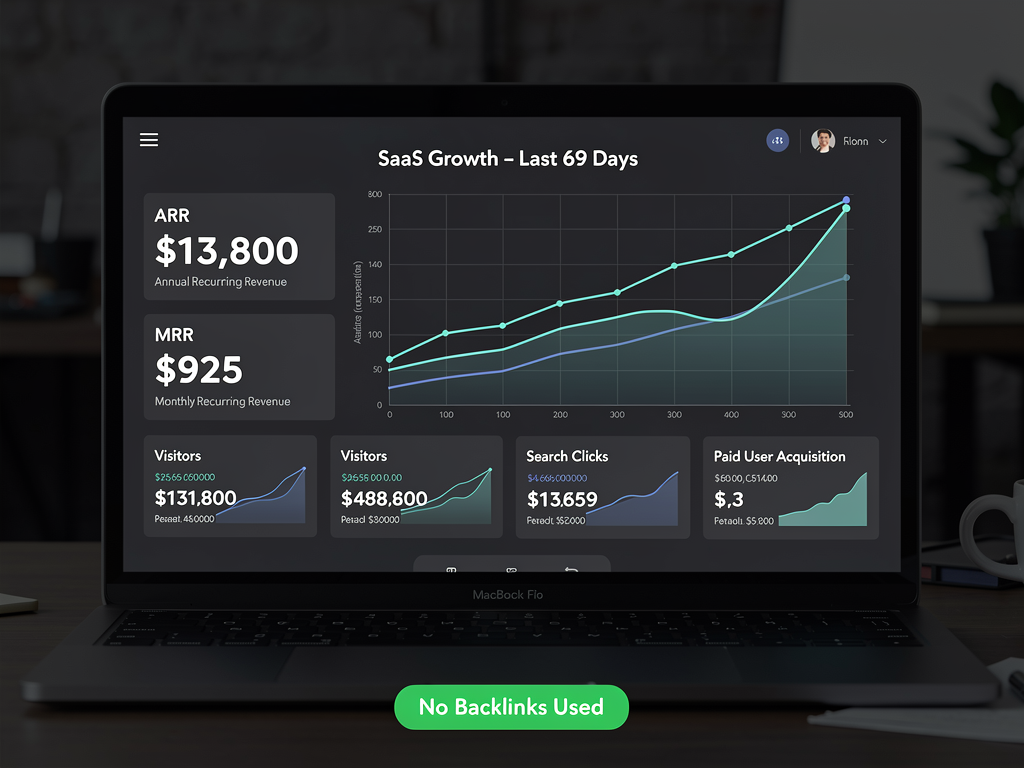
- A SaaS founder hit $13,800 ARR in 69 days using zero-backlink SEO content targeting buyer-ready searches, with 2,777 search clicks.
- AI-generated ad creative systems now produce $10,000+ marketing materials in under 60 seconds versus the previous 5-week agency timeline.
- Theme pages using Sora2 and Veo3 tools generate $1.2M monthly from reposted content, with individual pages earning $100K+ and 120M+ monthly views.
- A simple X profile strategy with AI-repurposed content drove 7-figure annual profit by auto-scheduling 10 posts daily for 1M+ monthly views.
- Commercial intent SEO content with extractable structures boosted one agency’s search traffic 418% and AI search visibility over 1000%.
- An HTML-focused vibe coding tool hit 50k MRR by generating landing pages in 30 seconds using 90% AI and 10% manual taste edits.
What AI Content Tools Actually Deliver Today
AI content writing tools have moved far beyond basic chatbot assistance. Current implementations combine multiple specialized models to handle research, copywriting, visual generation, and distribution in coordinated workflows. These systems analyze psychological triggers, competitor data, and real-time cultural momentum to create content that performs across traditional search and AI-powered platforms like ChatGPT, Perplexity, and Google AI Overviews.
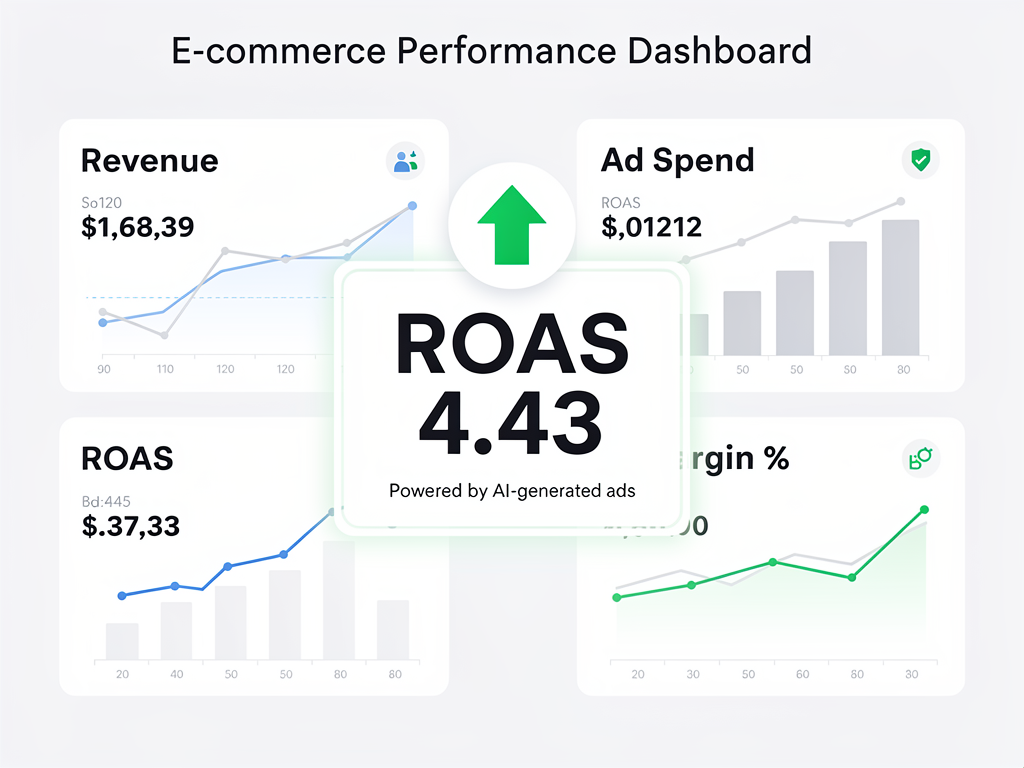
The reality is: today’s best systems don’t replace human strategy—they amplify it. One e-commerce operator generated $3,806 revenue on $860 ad spend using only AI-created image ads, achieving a 4.43 ROAS with roughly 60% margins. The secret wasn’t using ChatGPT alone; it was combining Claude for copywriting, ChatGPT for deep research, and Higgsfield for AI image generation into what he calls an “ultimate marketing system.”
These tools work for businesses ready to invest in paid plans, test systematically, and maintain creative control over AI output. They’re not for teams expecting magic-button solutions or those unwilling to learn prompt engineering fundamentals. Modern deployments show that strategic AI use creates competitive advantages measured in weeks, not months.
What Makes AI Content Tools Essential: Definition and Context
An AI content writing tool is software that uses large language models to generate text, images, or video for marketing, SEO, social media, and sales content. Recent implementations combine multiple models—one for research, another for copywriting, a third for visuals—rather than relying on a single AI.
Why this matters now: content teams face impossible volume demands. One marketer documented replacing a $267,000 annual content team with an AI ad agent that analyzes 47 winning advertisements, maps 12 psychological triggers, and builds three scroll-stopping creatives in 47 seconds. What agencies charged $4,997 for over five weeks now takes under a minute with unlimited variations.
Current data demonstrates that businesses using coordinated AI systems outpace competitors still hiring traditional teams. The bottleneck isn’t AI capability anymore—it’s knowing which tools to combine and how to structure prompts for commercial outcomes. Projects using these systems report replacing 5-7 person teams while maintaining or improving output quality, as long as humans handle strategy, taste curation, and final quality control.
What These Implementations Actually Solve
AI content tools address five core challenges that drain resources and limit growth:
Eliminating Content Production Bottlenecks
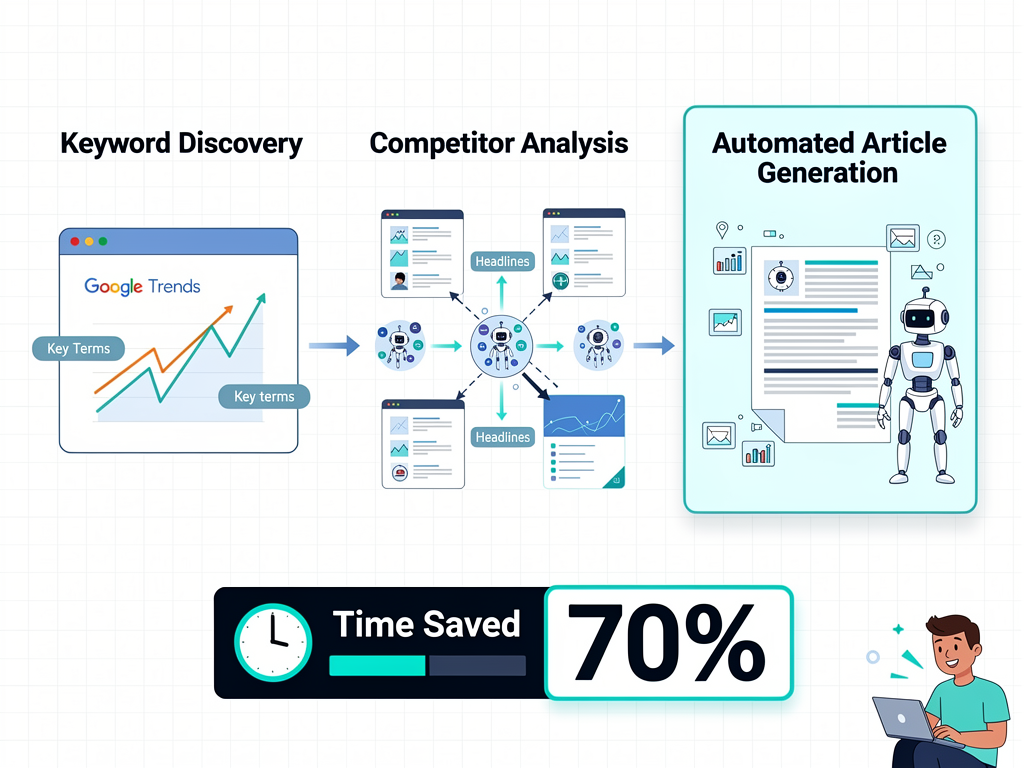
Traditional content creation limits most businesses to 2-10 articles monthly. One developer built an AI engine that extracts keywords from Google Trends automatically, scrapes competitor sites with 99.5% success rates, and generates 200 publication-ready articles in three hours. This captures what he estimates as $100,000+ in monthly organic traffic value while replacing a $10,000/month content team with zero ongoing costs after a 30-minute setup.
Reducing Creative Production Costs and Time
Marketing creative production typically costs $4,997 per campaign with 5-week turnarounds. A Creative OS built on the n8n platform reverse-engineered a $47 million creative database and runs six image models plus three video models simultaneously. The system delivers marketing content valued at over $10,000 in under 60 seconds, handling lighting, composition, and brand alignment automatically—work that previously required a $20,000/month creative director.
Scaling Distribution Without Proportional Labor Increases
Content distribution demands constant manual effort that doesn’t scale. One operator built what he calls the “laziest lead-gen system”: a $9 domain with AI-built niche site, 100 scraped/repurposed blog posts, and AI that auto-generates 50 TikToks and 50 Reels monthly. With email capture popups and an AI-written nurture sequence, this drives roughly 5,000 monthly visitors and 20 buyers at $997 each for $20,000 monthly profit. The key wasn’t complexity—it was stacking AI shortcuts on distribution channels.
Achieving AI Search Visibility Alongside Traditional SEO
Google search alone no longer drives sufficient traffic. An SEO agency competing in a difficult niche grew search traffic 418% and AI search traffic over 1000% by restructuring content for AI extraction. Every page includes a 2-3 sentence summary answering core questions, H2s written as questions, and short factual statements under each heading. This extractable structure landed them more than 100 AI Overview citations because it aligns with how language models parse content blocks.
Converting Content Readers into Paying Customers
Most content generates traffic but not revenue. A SaaS founder hit $13,800 ARR in 69 days by targeting only buyer-ready searches: “X alternative,” “X not working,” “how to remove X from Y.” These pain-point articles attract people actively seeking solutions, not casual browsers. By placing the product as the solution to precisely addressed problems, conversion rates jumped dramatically compared to generic “best tools” listicles that rarely convert.
How This Works: Step-by-Step
Step 1: Choose Your AI Tool Combination Based on Output Type
Successful implementations rarely use one AI tool. Start by matching specialized models to specific tasks: Claude for persuasive copywriting and brand voice, ChatGPT for research and data analysis, Midjourney or Higgsfield for image generation, and Sora2 or Veo3 for video content. One e-commerce marketer emphasized investing in paid plans rather than using free tiers, noting that premium access delivers consistent quality and removes output limits that bottleneck workflows.
Document which AI handles which task. One six-figure earner built separate agents for content research, creation, ad creative generation, and SEO content—work normally requiring 5-7 people. The system runs 24/7 with no sick days or performance reviews, processing requests on autopilot once configured.
Common mistake: jumping between tools randomly without a clear workflow. Define your content pipeline first, then assign the best AI to each stage.
Step 2: Build Prompt Architecture That Produces Commercial Results
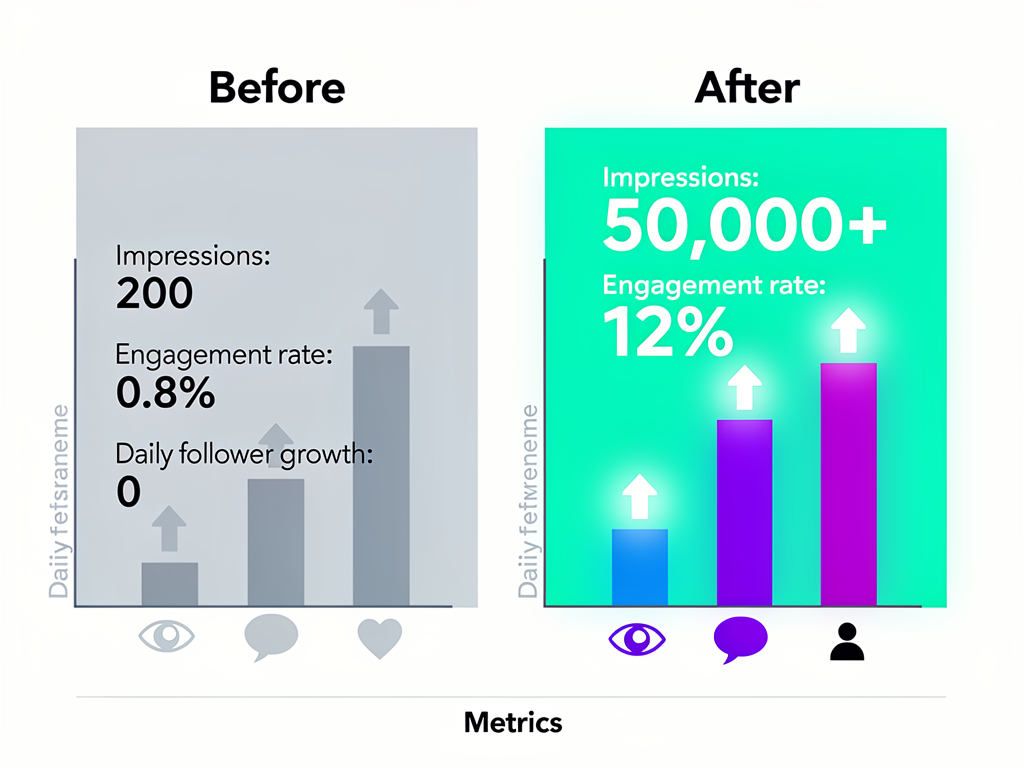
Generic prompts produce generic output. One marketer analyzed 10,000+ viral posts to build a psychological framework that turns AI into what he calls “a viral copywriting machine.” His system went from 200 impressions per post to 50,000+ consistently, with engagement jumping from 0.8% to over 12% overnight and follower growth hitting 500+ daily.
Effective prompts include context profiles, winning examples, psychological triggers, and specific structural requirements. A Creative OS user feeds AI with JSON context profiles referencing previous winners rather than random internet examples, ensuring outputs match proven performance patterns. For written content, specify hook types, value propositions, and clear CTAs upfront rather than generating first and editing later.
For advertising creative, one system prompts AI to analyze competitor ads, map psychological triggers, and rank generated hooks by conversion potential automatically. This shifts AI from a writing assistant to a strategic thinking partner that applies behavioral psychology at machine speed.
Step 3: Structure Content for Both Human Readers and AI Extraction
Write like a human, but format for machines. The SEO agency that grew AI traffic over 1000% structures every article with a brief summary at the top, H2s written as complete questions, and 2-3 sentence answers under each heading. Lists and factual statements replace opinion-based text. Every paragraph could stand alone as a complete answer—exactly how AI systems like Gemini and Google AI Overviews extract citations.
Add schema markup for brand, location, reviews, and team pages. ChatGPT, Perplexity, and Gemini prioritize brands that appear consistently in their category with structured data. One agency embeds their name and country in schema and metadata, creates dedicated review and team pages, and optimizes meta descriptions with branded language like “Learn why [Agency Name] is one of the top-rated [service] for SaaS brands in [Country].”
Internal linking passes semantic meaning, not just PageRank. Every service page should link to 3-4 supporting blog posts; every blog post links back to relevant service pages using intent-driven anchor text like “enterprise marketing services” rather than generic phrases. This makes site hierarchy crystal clear for both crawlers and AI models parsing relationships.
Step 4: Target Commercial Intent Keywords, Not Vanity Traffic
Volume doesn’t equal revenue. A SaaS founder with a new domain (DR 3.5) added $925 MRR purely from SEO by avoiding “best tools” listicles and “ultimate guides” that barely convert and rank poorly early on. Instead, content targeted people already searching for fixes or alternatives: “X alternative,” “X not working,” “X wasted credits,” “how to do X in Y for free.”
These searches indicate purchase readiness. Someone googling “Lovable export code issue” after hitting a limitation is far more likely to buy a solution than someone casually browsing “top 10 AI tools.” The founder joined competitor Discord servers and subreddits, read roadmaps, and documented what frustrated users. Then he created articles addressing those exact pain points with his product as the natural solution.
Track which pages bring paying users, not just traffic. Some posts get 100 visits and 5 signups; others get 2,000 visits and zero conversions. Double down on the former pattern.
Step 5: Build Distribution Systems That Run on Autopilot
Content without distribution dies in obscurity. One operator created an X profile, chose a niche, studied top influencers, then used AI to repurpose their content into hundreds of posts. Auto-scheduling 10 posts daily generated over 1 million monthly views. A DM funnel directed traffic to five AI-generated ebooks produced in roughly 30 minutes. With a few hundred checkout views monthly and around 20 buyers at $500 each, this simple system produced $10,000 monthly profit.
Another system using Sora2 and Veo3 for theme pages generates $1.2 million monthly from reposted content. The format: strong scroll-stopping hook, curiosity or value in the middle, clean payoff with product tie-in. Pages regularly earn $100,000+ individually with 120M+ monthly views. No personal brand required, no influencer dependency—just consistent output in niches that already buy.
The key is removing yourself from daily execution. Set up workflows where AI generates content, scheduling tools post it, and analytics track what converts. Intervene only to optimize what’s working or test new angles.
Step 6: Scale What Works with Minimal Additional Input
Once you identify winning patterns, multiply them systematically. One vibe coding tool creator used his own product to make 2,000 templates and components at 90% AI, 10% manual edits. Taste became the differentiator—human curation of AI output rather than pure automation. By teaching prompting techniques through videos that gained millions of combined views, he hit 50k MRR with half the growth coming in the previous month.
An agency using the SEO Stuff Premium Content Bundle scaled by deploying 60 AI-optimized articles around “best of,” “top,” and comparison topics. Clean HTML structures, schema-friendly formatting, and built-in FAQ sections fueled steady growth across Google and AI systems with zero ad spend. Results compound long after the initial work finishes.
Scaling doesn’t mean doing more of everything—it means doing more of what converts and automating the rest.
Step 7: Maintain Quality Control and Strategic Direction
AI amplifies strategy; it doesn’t create it. The most successful implementations keep humans in control of brand voice, strategic decisions, and quality standards. One content creator emphasized feeding AI with high-quality source material to avoid “slop” output. Another noted that while agencies might promise fast results, understanding why something works matters more than just knowing it works—otherwise you can’t iterate intelligently.
Test systematically rather than randomly. One e-commerce marketer tests new desires, new angles, new iterations of angles/desires, new avatars, and improves metrics by testing different hooks and visuals. This structured experimentation reveals what drives performance rather than guessing or relying on AI suggestions blindly.
Email users for feedback, join competitor communities to hear complaints, review customer service chats for pain points, and analyze competitor blogs for what actually moves their needle. Use these insights to direct AI rather than expecting it to discover strategy independently.
Where Most Projects Fail (and How to Fix It)
Using AI Without Strategic Context
Directly asking ChatGPT for “the most conversion-optimized headline” or “generate a better version of this competitor’s ad” produces mediocre results. You don’t know what the AI is actually outputting or why it might work. If it does succeed, you can’t iterate intelligently because you don’t understand the underlying reason.
Fix this by building a testing framework first. One marketer uses a simple schema: test new desires, test new angles, test new iterations of angles/desires, test new avatars, improve metrics by testing different hooks and visuals. This structured approach means every AI-generated piece fits into a hypothesis you can validate and build upon.
Chasing Backlinks and Vanity Metrics Early
Backlink swaps, guest posting, and generic listicles waste time for new sites. A SaaS founder with zero backlinks grew to $13,800 ARR by focusing entirely on internal linking and buyer-intent content. Strong internal linking—every article linking to at least five others—helps Google discover pages and understand site structure far more effectively than chasing external links early on.
Stop measuring success by traffic volume. One founder notes that some posts get 100 visits and 5 signups while others get 2,000 visits and zero conversions. Volume doesn’t equal MRR. Focus on conversion-driven pages targeting commercial searches, not informational content that drives traffic but no business outcomes.
Hiring Expensive Teams Before Testing AI Systems
Many businesses hire $10,000/month content teams or $250,000 marketing departments before exploring AI alternatives. Multiple documented cases show AI handling 90% of traditional team workloads for less than one employee’s cost.
Start small: build one AI workflow for your biggest bottleneck. If content production limits you to 2 articles monthly, deploy an AI system that generates 200 in three hours. If ad creative takes 5 weeks and costs $4,997, build a Creative OS that delivers in 60 seconds. Validate the system with real business results before deciding whether you still need the full team.
If configuring these systems feels overwhelming or you need expert guidance on which AI tools to combine for your specific niche, FLEXE.io—with over 7 years in Web3 marketing and a client base exceeding 700 projects—helps businesses access 150+ media outlets and 500+ KOLs to accelerate growth through proven strategies. Reach out on Telegram: https://t.me/flexe_io_agency
Ignoring the Taste and Curation Layer
Pure AI output without human curation produces generic content that sounds like every other AI-generated piece. One successful creator hit 50k MRR by using his product to make 2,000 templates at 90% AI, 10% manual edits. That 10% taste curation became the differentiator.
Another marketer analyzed 10,000+ viral posts to understand psychological patterns, then trained AI to apply those frameworks. The AI didn’t discover virality alone—human strategic insight guided what to optimize for. Feed AI with your best examples, winning competitor content, and clear success metrics. Then let it scale what works while you maintain creative direction.
Treating AI as a Replacement Rather Than an Amplifier
The highest-performing systems use AI to amplify human strategy, not replace it entirely. A Content Creator agent that analyzes 240 million live content threads daily increased creator engagement 58% while cutting prep time in half by understanding tone, timing, and topic sentiment. But it worked because humans set strategic direction and provided feedback loops.
AI handles research, generation, formatting, and distribution at scale. Humans handle strategy, brand voice, quality standards, and relationship building. Teams that blur this line either waste AI potential (using it like a spell-checker) or produce soulless content that doesn’t connect with audiences.
Real Cases with Verified Numbers
Case 1: E-commerce Marketer Hits $3,806 Daily Revenue with AI-Generated Image Ads
Context: An e-commerce operator running client campaigns wanted to scale ad creative production without hiring video editors or designers.
What they did:
- Switched from using only ChatGPT to combining Claude for copywriting, ChatGPT for research, and Higgsfield for AI image generation
- Invested in paid plans for all three tools to build what he calls an “ultimate marketing system”
- Implemented a simple funnel: engaging image ad → advertorial → product detail page → post-purchase upsell
- Focused testing on new desires, angles, iterations, avatars, and different hooks/visuals
Results:
- Before: Lower performance with generic AI prompts
- After: Revenue $3,806, ad spend $860, margin roughly 60%, ROAS 4.43
- Growth: Nearly $4,000 day running only image ads with no videos
Key insight: Tool combination matters more than individual AI capability, and structured testing reveals what actually converts.
Source: Tweet
Case 2: Marketing Team Replaced by Four AI Agents Generating Millions of Impressions
Context: A business owner spending $250,000 annually on a marketing team wanted to test if AI could handle content research, creation, ad creative, and SEO.
What they did:
- Built four specialized AI agents for different marketing functions
- Tested the system for 6 months on autopilot
- Agents handled work normally requiring 5-7 people: writing custom newsletters like Morning Brew, generating viral social content, stealing and rebuilding competitor ads, creating SEO content ranking on Google page 1
Results:
- Before: $250,000 annual team cost
- After: Millions of impressions monthly, tens of thousands in revenue on autopilot, enterprise-scale content creation
- Growth: 90% of workload handled for less than one employee’s cost, including one post generating 3.9 million views
Key insight: AI agents running continuously without human limitations create an insurmountable advantage over traditional hiring.
Source: Tweet
Case 3: SaaS Founder Reaches $13,800 ARR in 69 Days with Zero-Backlink SEO
Context: A new SaaS with domain rating 3.5 wanted to build organic traffic without expensive link-building campaigns or traditional SEO agencies.
What they did:
- Created content targeting only buyer-ready searches: “X alternative,” “X not working,” “how to do X in Y for free”
- Wrote human-like articles with short sentences, clear headings, and structured content for AI extraction
- Used internal linking (each article linking to at least 5 others) rather than chasing backlinks
- Listened to user feedback from competitor Discord servers, subreddits, and roadmaps to identify pain points
Results:
- Before: New domain with minimal authority
- After: ARR $13,800, MRR $925 from SEO alone, 21,329 visitors, 2,777 search clicks, 62 paid users
- Growth: Many posts ranking #1 or high on page 1 with zero backlinks needed
Key insight: Commercial intent targeting beats vanity traffic every time when conversion matters more than raw visitor numbers.
Source: Tweet
Case 4: Theme Pages Generate $1.2M Monthly from AI-Created Reposted Content
Context: Content creators wanted to build revenue from social media without personal branding or influencer partnerships.
What they did:
- Used Sora2 and Veo3 AI tools to create theme page content
- Followed a consistent format: strong scroll-stopping hook, curiosity or value in the middle, clean payoff with product tie-in
- Posted reposted content consistently in niches that already buy
Results:
- Before: Traditional content creation methods
- After: $1.2 million monthly revenue across pages, individual pages earning $100,000+, 120M+ monthly views
- Growth: Scaled to $300,000/month roadmap through consistent output
Key insight: Distribution consistency in buying niches matters more than personal brand when content format is proven.
Source: Tweet
Case 5: Creative OS Produces $10K+ Marketing Content in Under 60 Seconds
Context: A marketer frustrated with $4,997 agency fees and 5-week turnarounds wanted instant creative production at scale.
What they did:
- Reverse-engineered a $47 million creative database and built an n8n workflow
- Ran 6 image models and 3 video models simultaneously with 200+ premium JSON context profiles
- System handles lighting, composition, and brand alignment automatically
Results:
- Before: 5-7 days for creative production, $4,997 agency fees
- After: Marketing content valued at $10,000+ generated in under 60 seconds
- Growth: Ultra-realistic creatives with Veo3 quality, massive time and cost savings
Key insight: Parallel AI model execution beats sequential workflows, and context profiles ensure quality over random output.
Source: Tweet
Case 6: AI Engine Generates 200 Articles in 3 Hours, Replacing $10K/Month Team
Context: A business limited to 2 blog posts monthly wanted to scale content production without hiring additional writers.
What they did:
- Built an AI engine that extracts keywords from Google Trends automatically
- Scrapes competitor sites with 99.5% success rate without getting blocked
- Generates page-1 ranking content outperforming human writers
- 30-minute setup using native nodes
Results:
- Before: 2 posts/month, $10,000/month content team cost
- After: 200 publication-ready articles in 3 hours, estimated $100,000+ monthly organic traffic value
- Growth: Zero ongoing costs after setup, page-1 rankings
Key insight: Automation of keyword research, competitor analysis, and generation in one workflow creates exponential output increases.
Source: Tweet
Case 7: X Profile Strategy with AI Content Drives 7-Figure Annual Profit
Context: An entrepreneur wanted passive income from social media without creating original content daily.
What they did:
- Created X profile in target niche, studied top influencers
- Used AI to repurpose influencer content into hundreds of posts
- Auto-scheduled 10 posts daily for consistent visibility
- Built DM funnel to digital products (5 AI-generated ebooks in roughly 30 minutes)
Results:
- Before: No established presence
- After: 7 figures profit annually, $10,000 monthly profit
- Growth: 1M+ monthly views, few hundred checkout views monthly, around 20 buyers at $500 each
Key insight: Consistent posting schedule plus simple funnel converts visibility into revenue when AI handles content production.
Source: Tweet
Tools and Next Steps
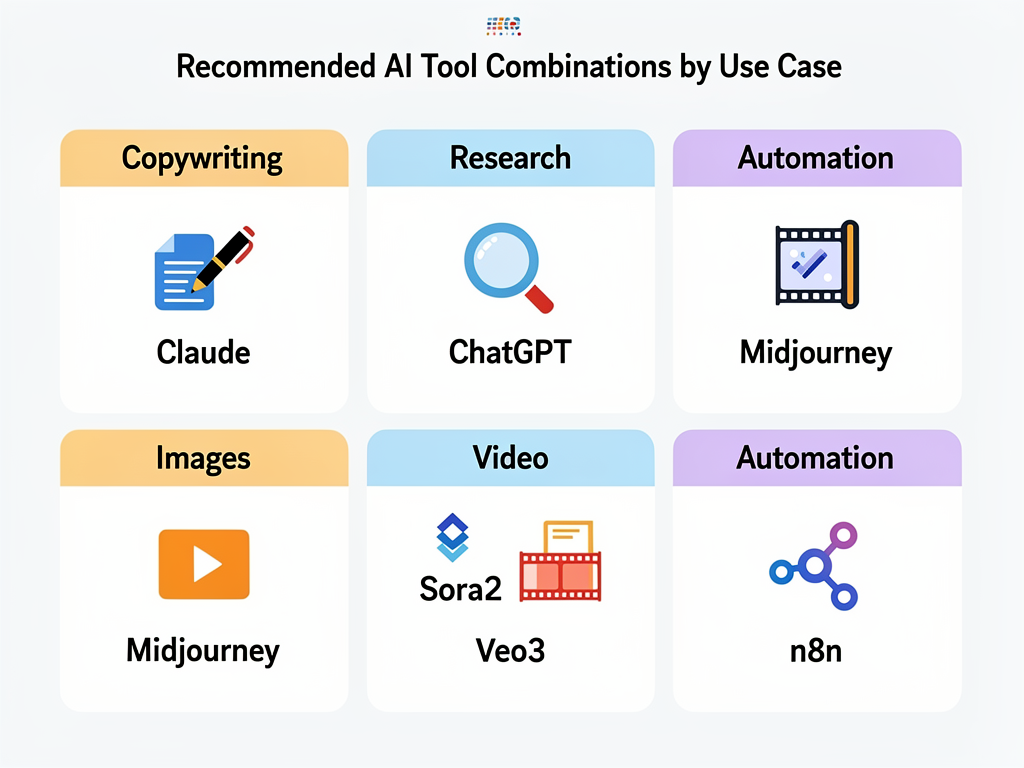
The right tools depend on your specific content needs, but these combinations appear repeatedly in successful implementations:
For copywriting and brand voice: Claude consistently outperforms other models for persuasive copy that matches brand tone. Invest in the paid plan for longer context windows and priority access.
For research and data analysis: ChatGPT handles deep research, competitor analysis, and structured data extraction. Use it to analyze what’s working in your niche before creating content.
For image generation: Midjourney and Higgsfield produce marketing-quality visuals. One e-commerce marketer runs only image ads generated by Higgsfield with strong results.
For video content: Sora2 and Veo3 create platform-native videos for TikTok, Instagram Reels, and YouTube Shorts. Theme pages using these tools generate $100,000+ monthly.
For workflow automation: n8n connects multiple AI models into coordinated systems. The Creative OS running 6 image and 3 video models simultaneously uses n8n as the orchestration layer.
For SEO and keyword research: Ahrefs, Google Trends, and competitor scraping tools identify buyer-intent searches. One founder built an engine that extracts keywords automatically and generates 200 articles in 3 hours.
For content structure and extraction: NotebookLM helps organize winning examples and context profiles that AI references during generation, ensuring outputs match proven patterns rather than generic internet content.
For businesses looking to implement these systems without building workflows from scratch, FLEXE.io, trusted by 700+ clients across 7+ years in Web3 marketing, provides access to 10+ crypto traffic sources and 150+ media outlets to rapidly scale awareness and user growth using proven AI-enhanced strategies. Get in touch on Telegram: https://t.me/flexe_io_agency
Your Action Checklist
- [ ] Identify your biggest content bottleneck (production volume, creative quality, distribution, or conversion)
- [ ] Choose 2-3 specialized AI tools that address that specific bottleneck rather than trying to use one tool for everything
- [ ] Invest in paid plans for consistent quality and removed output limits
- [ ] Build a testing framework: define what you’re testing (desires, angles, hooks, visuals) before generating content
- [ ] Structure all content with extractable elements: TL;DR summaries, question-based headings, short factual answers
- [ ] Focus on commercial intent keywords that indicate purchase readiness, not vanity traffic
- [ ] Set up internal linking so every article connects to 5+ related pieces
- [ ] Create distribution automation: scheduling tools, email sequences, social posting systems
- [ ] Track conversions by page, not just traffic—double down on what actually brings paying customers
- [ ] Maintain the 90% AI, 10% human curation ratio where strategic direction and taste remain your competitive edge
FAQ: Your Questions Answered
Can AI content tools really replace a full marketing team?
Multiple documented cases show AI handling 90% of traditional team workloads for less than one employee’s cost. One business replaced a $250,000 team with four AI agents generating millions of impressions monthly. However, humans still need to provide strategic direction, quality control, and creative curation. AI amplifies strategy but doesn’t create it independently.
Which AI tool is best for content creation?
There’s no single best tool because successful systems combine specialized models. Use Claude for copywriting, ChatGPT for research, Midjourney or Higgsfield for images, and Sora2 or Veo3 for videos. The e-commerce marketer generating $3,806 daily revenue emphasizes this multi-tool approach as his “ultimate system.” Invest in paid plans rather than free tiers for consistent quality.
How do I avoid AI-generated content that sounds generic?
Feed AI with your best examples and winning competitor content instead of letting it reference random internet material. One creator hitting 50k MRR uses 90% AI generation with 10% manual taste edits—that curation layer makes the difference. Build prompt frameworks based on psychological triggers from analyzing thousands of high-performing pieces, not generic requests for “good content.”
Does AI content rank well in Google and AI search engines?
Yes, when structured correctly. One agency grew traditional search traffic 418% and AI search visibility over 1000% by formatting content for extraction: brief summaries, question-based headings, short factual answers, schema markup, and semantic internal linking. AI doesn’t penalize AI-generated content—it rewards content structured for how language models parse and cite information.
What’s the fastest way to see results from AI content tools?
Target commercial intent keywords where searchers are ready to buy. A SaaS founder hit $13,800 ARR in 69 days by focusing only on “X alternative,” “X not working,” and “how to fix X” searches instead of generic guides. These buyers are actively seeking solutions, so conversion rates jump dramatically when content addresses their specific pain points with your product as the answer.
How much should I invest in AI content tools?
Successful implementations consistently emphasize paid plans over free tiers. One marketer notes paid access is “worth it” for removing limits and ensuring quality. A Creative OS builder invested time reverse-engineering proven frameworks rather than just subscribing to tools. Budget ranges from roughly $100-300 monthly for individual tool subscriptions to custom workflow development taking weeks of setup but eliminating ongoing team costs.
Can I use AI for both written content and visual creative?
Absolutely—the highest-performing systems coordinate both. One Creative OS runs 6 image models and 3 video models simultaneously, producing $10,000+ marketing materials in under 60 seconds. Theme pages using Sora2 and Veo3 generate $1.2 million monthly from video content. The key is workflow automation that connects text generation to visual creation rather than treating them as separate manual processes.